In the 2023/24 financial year, the Group invested R230 million in upgrading its West Coast canned fish and fishmeal plants. The extensive upgrades included new boilers and equipment to improve efficiencies, increase production of the ever-popular Lucky Star canned fish and extend the life of the plants, which employ 2,500 permanent and seasonal workers.
The benefits were reported in the 2024/25 results, with a 24% increase in Lucky Star cartons produced and lower unit production costs. Production yields rose by 6% thanks to the efficiency gains. The African fishmeal and fish oil business delivered a 25% increase in production.
In addition to the plant upgrades, Oceana invested R100 million in a Lucky Star canned meat plant, the first such investment on the West Coast in at least 20 years. Canned meat production volumes doubled during the 2024/25 financial year.
Investment in its fleet enabled the Group’s Wild Caught Seafood to take advantage of an abundance of hake, resulting in record earnings. More reliable vessels, with upgraded, environmentally improved refrigeration, could spend more days at sea. This resulted in a 33% increase in catch volumes and lower unit catch costs.
On the East Coast, we spent R52 million to acquire a 51% share of a Gqeberha squid company and fund our BEE partners’ 49% share, doubling the size of our squid fishing operations.
We also commissioned a purpose-built squid-fishing catamaran. The twin-hulled vessel is more stable than the traditional monohulls and can continue fishing in conditions that may force other vessels to seek shelter.
These investments have enabled us to meet sustained European demand for squid without increasing overheads and to protect jobs.
Policy certainty, in this case, the allocation of fishing rights for 15 years, was the key that unlocked all this investment, economic potential secured and created jobs in parts of the country where economic activity is constrained. It’s something that, if applied across all sectors, will significantly benefit the country’s economy.
It also enabled us to deliver on our diversification strategy, using the power of the Lucky Star brand to move into adjacent food categories.
The benefits extend beyond investing in factories and equipment and protecting or creating jobs. Like many companies, Oceana tries to advance the sector in which it operates.
In addition to bursaries and courses for employees to further their careers, it has facilitated training for small-scale fishers through the Cooperative Sense programme.
Initiated and funded by Oceana, the six-year collaboration between Oceana, the Department of Forestry, Fisheries and Environment, the National Sea Rescue Institute, FoodBev SETA, and DYNA Training equips fishers with the knowledge and skills to establish, participate in and manage fishing cooperatives.
Nearly 1,000 fishers from 142 cooperatives had completed the training when it concluded last year. Eighty graduates are also completing an NQF Level 2 course on New Venture Creation. Sixty-five specialist mentors have been trained in an NQF Level 4 Generic Management course to sustain its legacy by providing ongoing guidance and support to small-scale fishers and cooperatives.
Successful companies also have a vested interest in uplifting the communities where they are situated and where their employees live.
An example is Oceana and the Peninsula School Feeding Associations’ School Nutrition Support Programme at four West Coast Schools, and this year, at a fifth school.
The School Nutrition Support Programme provides proper, prefabricated kitchens, a supervised, clean, comfortable area where children can eat, and plates, cups, and utensils. Community volunteers prepare the meals. They receive fully accredited training, providing them with recognised, marketable skills, in addition to the stipend some receive from the school. Oceana covers the R712,500 annual cost of providing 285,000 nutritious, cooked meals to 750 learners. We have also supplied catering infrastructure to two of the five schools, where other donors support the feeding programmes.
Investment has significantly wider implications than delivering on a corporate strategy or improving a company’s bottom line. Oceana’s experience is a case in point.
Certainty, as recent developments have proved, is a fragile thing, and South Africa is often exposed by events it cannot control. The important thing is to take ownership of those factors we can control and avoid exacerbating external ructions by scoring own goals.
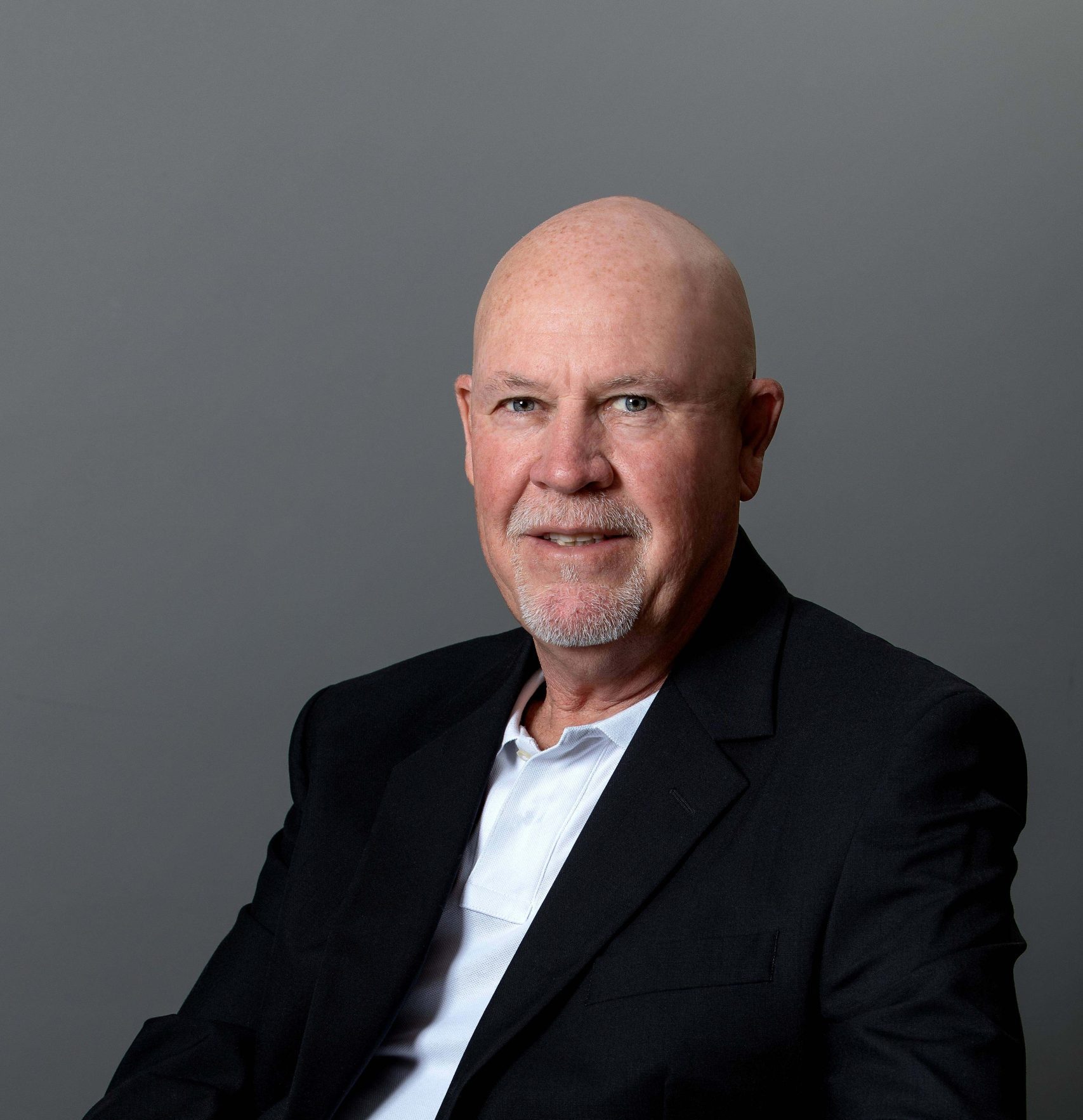
By Neville Brink is the CEO of the Oceana Group