For years, South Africa’s most ambitious matriculants looked almost exclusively to the United States when applying abroad. That is beginning to change. A growing number are now choosing the United Kingdom as their primary destination – a subtle but significant shift in where the country’s top academic talent is heading.
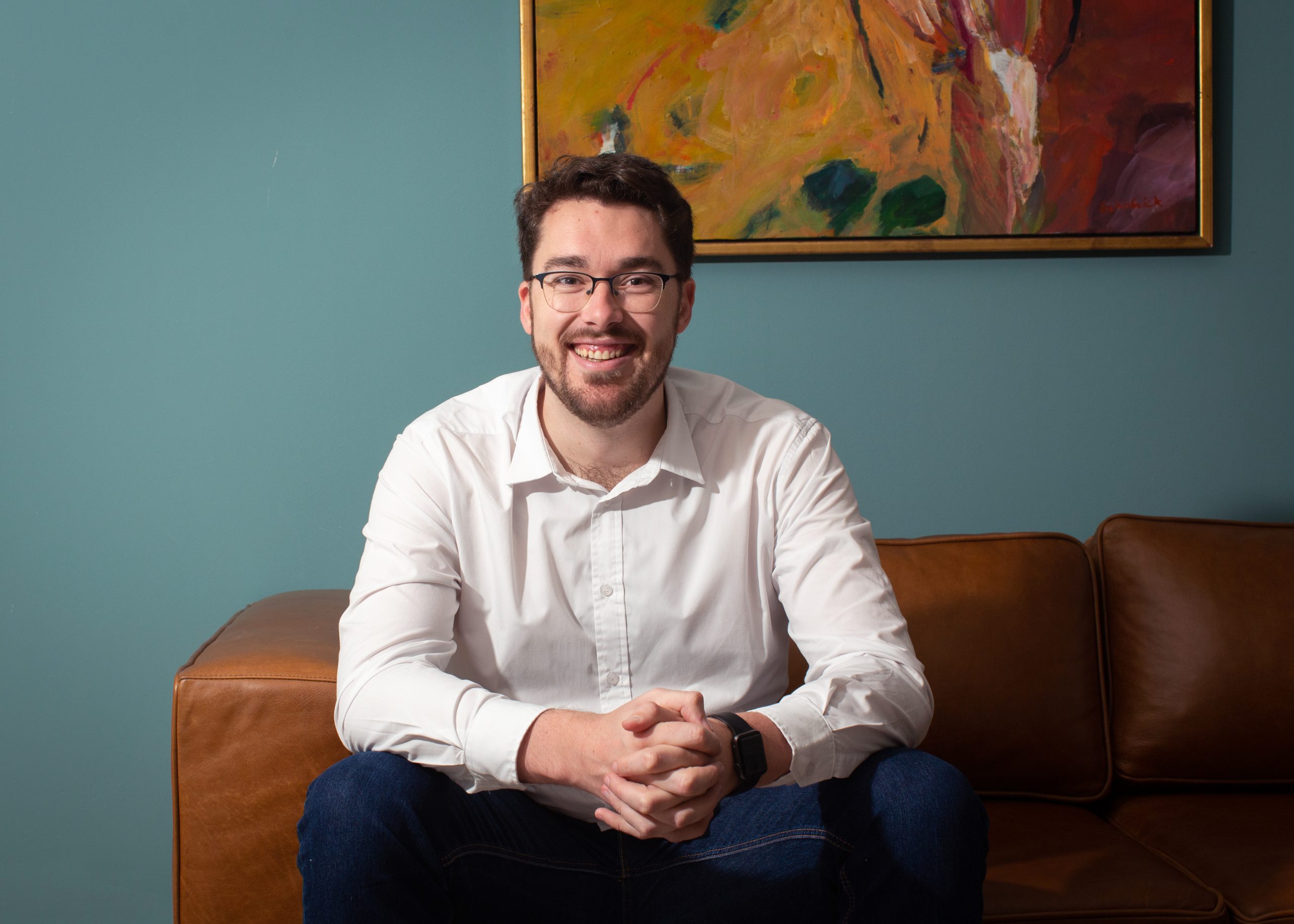
“What’s driving this is twofold. The US has become a less certain destination than it was a few years ago, while the UK has steadily become more accessible to South African students. That combination is bringing a different kind of applicant into the UK pipeline – students choosing it on its own merits, not as a fallback,” says Brad Latilla-Campbell, Country Manager at Crimson Education, a global mentorship company that helps students gain admission to Ivy League, Oxbridge and other top universities worldwide.
The US’s dominance among South Africans was hard-earned. American universities built strong recognition through decades of marketing and offered scholarships that proved particularly important during the 1980s and 1990s – creating a multi-generational pipeline of returnees who carried names like Harvard, Yale and Princeton into South African conversations, becoming a familiar reference point for the next generation. UK universities, by contrast, did not always recognise the Independent Examinations Board (IEB) at face value, complicating admission for South African applicants.
“That has changed in recent years, with more UK universities now accepting the IEB directly,” says Latilla-Campbell. “Combined with growing uncertainty in the American higher education system – funding cuts, tightening visa and travel policies, and a drop in new international student enrolments – what once felt like an obvious choice no longer is.”
The shift is visible in where South Africans are applying. Alongside long-standing favourites such as Edinburgh, Bristol and Exeter, Crimson students are increasingly securing places at Leeds, King’s College London and Manchester – choosing institutions that match the degrees they want to pursue, with expert guidance helping them look beyond familiar names.
Ndivho Phalanndwa, a St Stithians College graduate, is one of those students. After receiving offers from Warwick, Exeter and Leeds, he is heading to King’s College London to study Biomedical Engineering. His preparation included job shadowing at Lancet Laboratories and the University of the Witwatersrand’s chemistry department, research into South Africa’s water crisis, and a biomedical engineering programme through the University of California San Diego.
Working closely with Crimson throughout the application process, Phalanndwa followed clear logic: subject first, institution second. “I knew early on that I wanted to study in the UK, and the structure of the degrees gave me a clearer pathway into Biomedical Engineering. The academic focus suited the way I wanted to learn, so it became less about ticking boxes and more about genuinely exploring the field.”
What is emerging is more than a temporary tilt towards the UK. From the easing of admission barriers to the rise of programme-led decision-making, the pieces point in the same direction: a generation of applicants who are better prepared, more discerning, and less inclined to follow a well-worn path simply because it is familiar. The US will continue to draw many of the country’s strongest matriculants, but the choice now turns on where ambition is best matched, not where tradition points.
Crimson Education’s admissions and application counselling model connects students with the world’s top tutors and mentors, providing tailored support to help them reach their personal education and career goals.