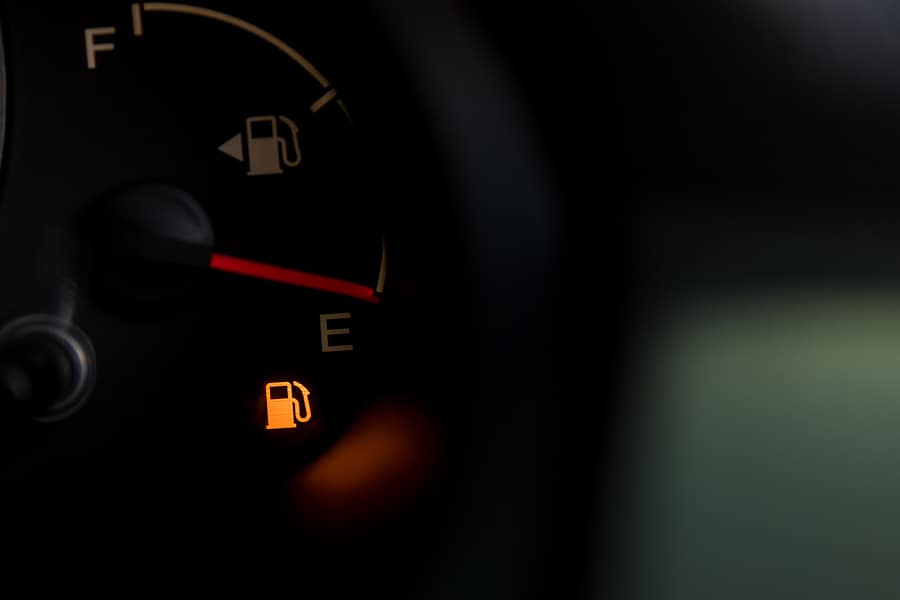
After a welcome fuel price relief in February, March is bringing an unwelcome reversal. Petrol 93 and 95 will increase by 20c/litre, while diesel drivers face steeper hikes of 62–65c/litre effective from Wednesday, 4 March 2026. The increase breaks consecutive fuel price drops in recent months, bringing fuel prices to a four-year low.
The CEO of MasterDrive, Eugene Herbert, says that with the uncertainty of current economic events and possible ongoing increases, saving fuel at every opportunity is vital. “We have covered the most common methods to save fuel, like avoiding speeding or not idling often. Yet, there are other ways we may not immediately think of as influencing our fuel consumption.”
These are some less commonly discussed potential enemies to fuel consumption as well.
- Low quality engine oil
If you use oil with the incorrect viscosity the pistons and other moveable parts are placed under more pressure which uses more fuel. Check your manual or ask your dealership for the correct engine oil and do not neglect to change your oil at the correct mileage.
- Tyre condition
Bad tyres have less traction and use more fuel as they spin faster to maintain speed. Low tyre pressure and tyres that are not correctly aligned can also consume more fuel. This is besides the other risk factors associated with tyres not in good condition.
- Avoid short trips
Trips less than 5km consume more fuel as the vehicle has not warmed up yet. This is especially true for older engines, but modern fuel-injected vehicles also run richer and less efficiently during the first few minutes of operation. Where possible, combine your errands and get all your chores done on the same day to get more kilometres from your tank.
- Car servicing
Failure to replace spark plugs or fuel and air filters can increase fuel consumption. Worn fuel injectors also burn fuel faster. Do not neglect to replace faulty parts or neglect to service your vehicle on time.
- Bad driving
Driving in the wrong gears results in driving with high RPMs, accelerating harshly from a standstill or driving in high gears up hills or around corners uses more fuel. Manual vehicle drivers with poor clutch control or worn clutches can also cause increased consumption.
Every effort one makes to conserve fuel makes a difference. When all of these are combined the effect will be even greater.