

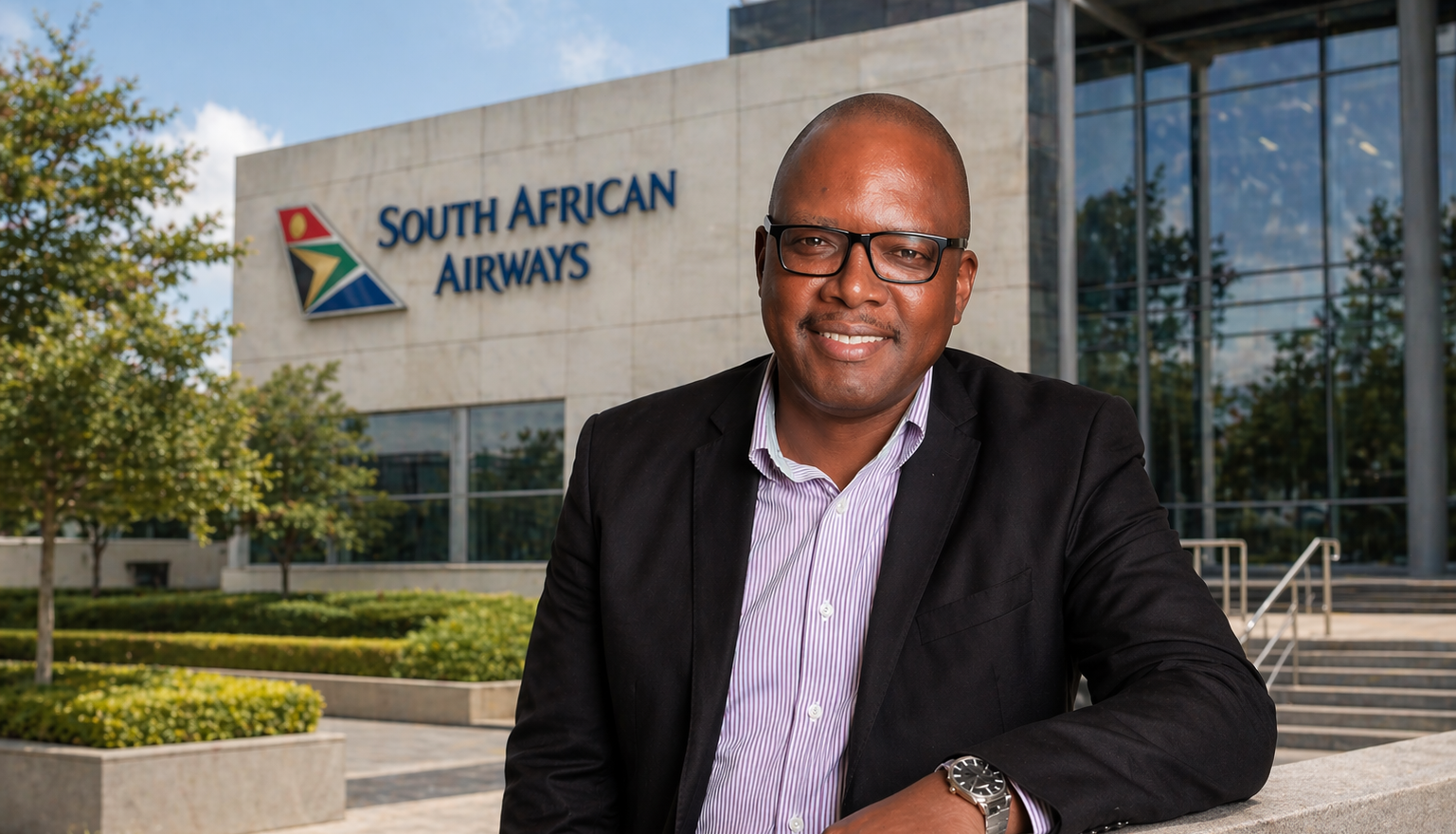
South African Airways is reducing flights to Gaborone and Dar es Salaam as soaring jet fuel costs, driven by the US-Israeli war on Iran, continue to batter the struggling national carrier. The airline, which is also confronting a liquidity crunch, has appointed an internal committee to manage day-to-day financial challenges stemming from the Middle East conflict.
According to News24, SAA interim chief executive Matshela Seshibe acknowledged that the carrier is not immune to the geopolitical pressures affecting airlines globally.
Fuel represents the single largest component of SAA’s cost structure, and steep price increases have forced management to undertake route optimisation. Seshibe explained that the airline is currently reviewing marginal routes, with reductions planned for services to Gaborone and schedule changes for destinations such as Dar es Salaam. Domestic routes have also been compressed. SAA currently operates 19 aircraft serving 17 destinations across Southern Africa, along with two intercontinental routes to São Paulo and Perth.
The airline holds a 22% market share on domestic routes for the 2025/26 financial year, according to company data. FlySafair dominates with 61%, while Airlink and Lift hold 4% and 10% respectively. FlySafair recently cut its Lanseria to Gombo City route due to declining demand, underscoring the broader pressure on the sector. Global jet fuel costs stood at approximately $185 per barrel as of 17 April, according to the International Air Transport Association. While this represents a 7% week-on-week decline from the $209 recorded on 3 April, prices remain nearly double the pre-conflict level of just over $99 per barrel.
READ – SAA’s Condition As CEO Exits
Regional carrier Airlink has also adjusted its flight schedules but is attempting to avoid outright cancellations. Chief executive De Villiers Engelbrecht noted that jet fuel prices in Southern Africa were 143% higher in April compared with the last week of February. The airline continues to adjust fares in line with fuel costs and possesses sufficient liquidity to sustain operations for now, though Engelbrecht warned that further adjustments to pricing and flights may be necessary if the situation persists.
SAA board chairperson Sedzani Mudau confirmed that the airline is approaching existing lenders to secure working capital facilities, noting that the balance sheet currently carries no debt. However, lenders are likely to be concerned by a disclaimer audit opinion on SAA’s 2024/25 financial results. The Auditor-General flagged weak internal audit processes, a shortage of skilled staff, and low execution of audit plans. The AG also raised concerns about material uncertainties stemming from operating losses, negative cash flow, and ongoing liquidity challenges. Should SAA fail to secure bank funding, Mudau indicated that shareholder support from the fiscus may be required.
Speaking before Parliament’s Portfolio Committee on Transport, Mudau said the airline is focusing on optimising its fleet on commercially viable routes. A dedicated committee now oversees day-to-day liquidity challenges, with unprofitable routes and frequencies being reduced. SAA is also working to repatriate blocked funds from Zimbabwe, Nigeria, Egypt, and Malawi to boost liquidity. Funds trapped in Zimbabwe alone total R1 billion. Mudau told the committee that the airline has written to Zimbabwe’s finance ministry and has escalated the matter to the Department of International Relations and Cooperation for assistance, with some payments already being received.
READ – Lamola Steps Down as SAA Chief After Rebuilding Turnaround