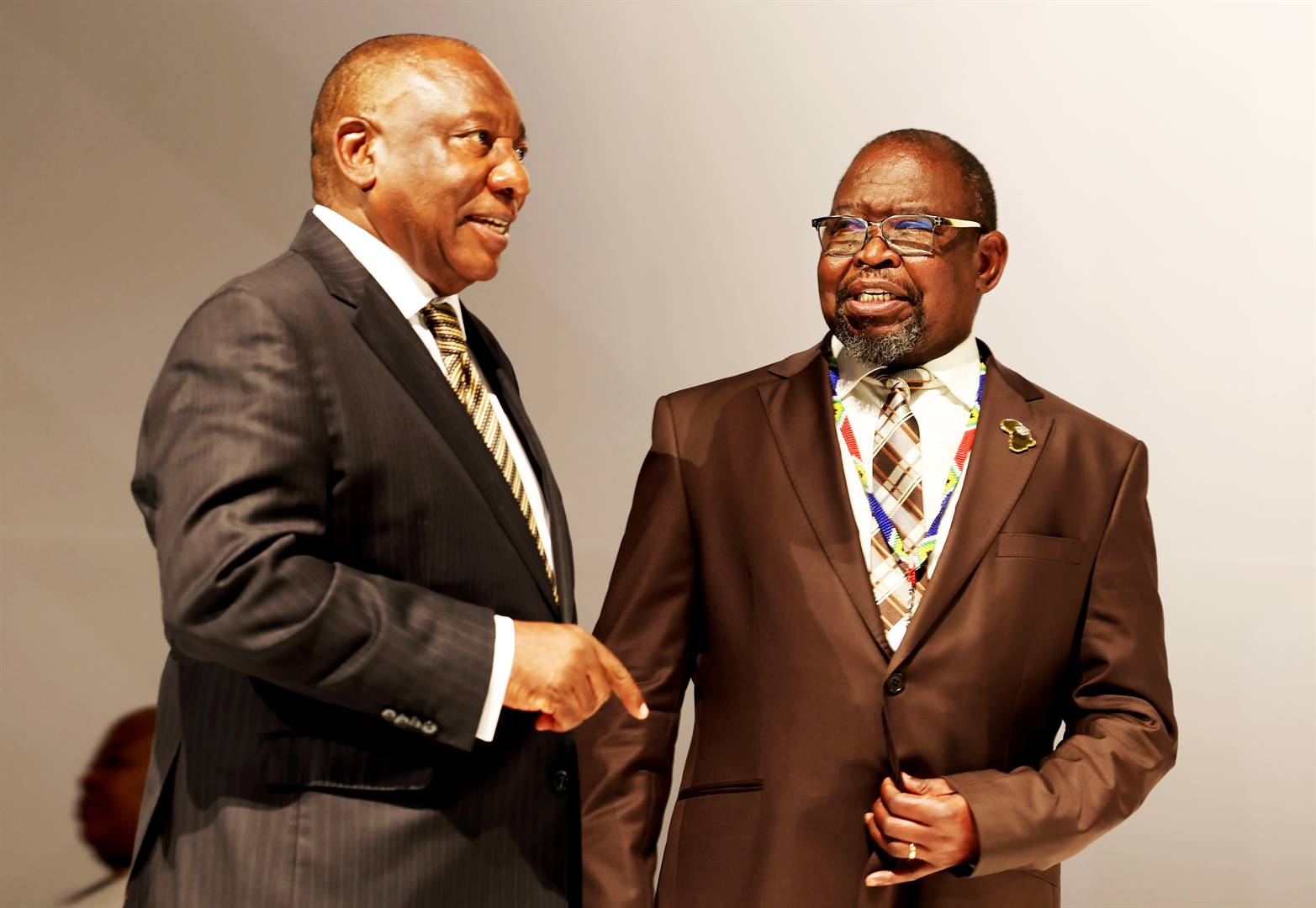
South African President Cyril Ramaphosa will not attend the World Economic Forum annual meeting in Davos this year, with Finance Minister Enoch Godongwana leading the delegation instead. The absence comes amid a backdrop of intense global geopolitical tensions that are expected to dominate discussions at the Swiss resort.
Godongwana will be accompanied by several senior ministers, including those responsible for trade, energy, international relations, transport, tourism, and small business development. Representatives from state-owned enterprises such as Transnet and Eskom will also join, alongside executives from major companies like FirstRand, Naspers-Prosus, and Old Mutual. The team aims to highlight South Africa’s recent economic reforms, including the stabilisation of electricity supply with over 300 consecutive days without load-shedding and improvements in logistics capacity.
Ramaphosa’s decision to skip the event has been attributed to scheduling priorities, according to his spokesperson. This is not the first time he has stayed away; previous absences in 2020, 2021, and 2023 were linked to domestic crises, particularly energy shortages. The choice reflects ongoing domestic demands, even as South Africa seeks to project progress on the international stage following milestones such as removal from the FATF greylist and a sovereign credit rating upgrade.
The forum arrives at a time when international gatherings like the WEF hold less influence than in previous decades. Discussions there once shaped policy with real weight, but the world has shifted toward greater fragmentation and national priorities over multilateral consensus. As reported by the World Economic Forum in its Global Risks Report 2026, uncertainty defines the outlook, with 50% of surveyed experts anticipating a turbulent or stormy global environment over the next two years, rising to 57% over the next decade.
Geoeconomic confrontation now ranks as the top short-term risk, driven by protectionism, tariffs, and the weaponisation of trade and supply chains. This has been exacerbated by recent actions from major powers, including threats of new tariffs and moves challenging established alliances. Societal risks such as polarisation and erosion of rights also feature prominently, while environmental concerns, though critical long-term, have slipped in immediate priority.
Brand South Africa CEO Neville Matjie emphasised that the delegation would focus on demonstrating measurable reforms in energy, logistics, and other sectors to attract investment. South Africa positions itself as ready for partnerships, building on recent achievements like enhanced electricity generation capacity and digital cost reductions.
The gathering underscores a broader erosion of multilateralism, with leaders from various sectors expressing concern over divided societies and retreating cooperation frameworks. South Africa’s participation seeks to counter this narrative by showcasing tangible steps toward stability in a contested global landscape.