
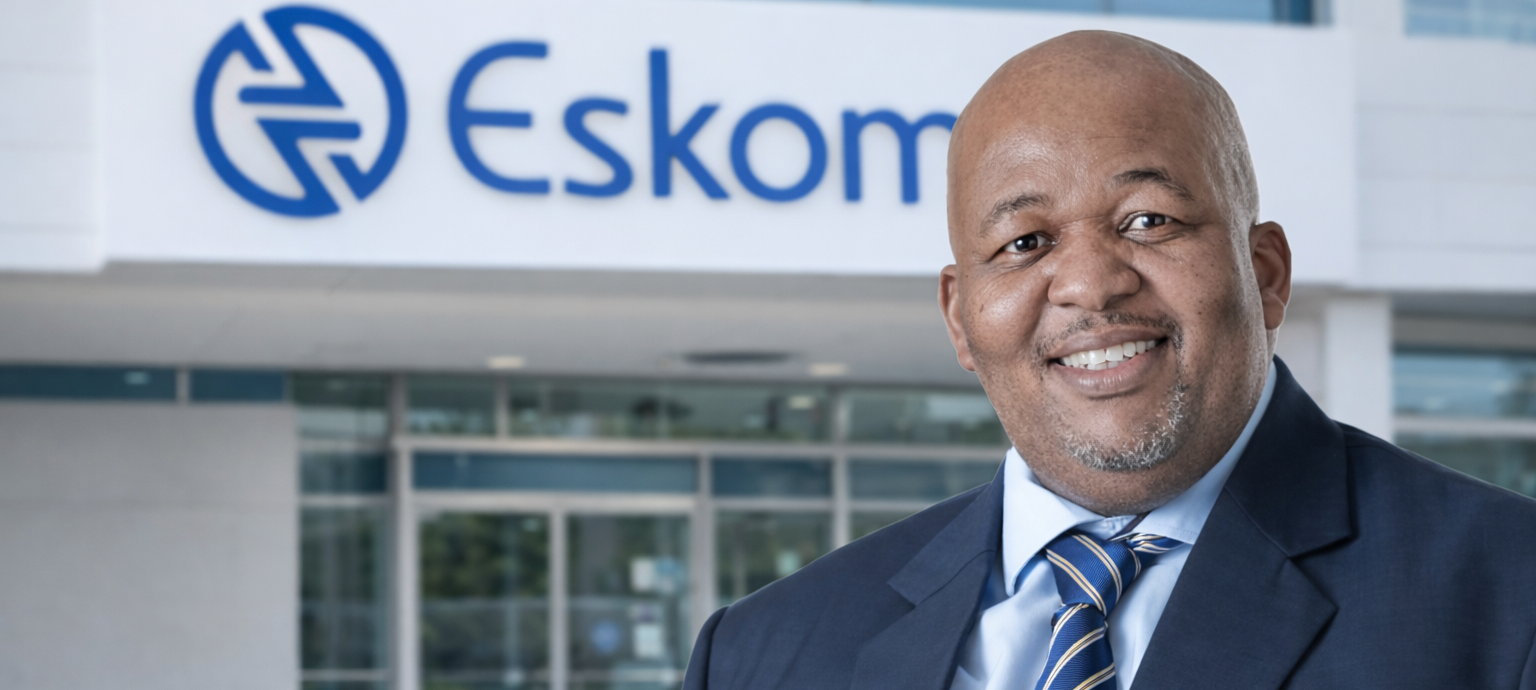
Eskom has increased its wage increase offer to trade unions to 5.5%, up from the 3.5% proposed last year, as negotiations over a new salary agreement continue. According to Reuters, the revised proposal was tabled during a second round of talks with the three main unions representing workers at the state-owned utility and is intended to take effect from 1 July, when the current three-year wage agreement expires.
The move reflects Eskom’s improving operational position after years of financial strain and power supply instability. Improved performance at coal-fired power stations has enabled the utility to suspend nationwide load shedding, easing pressure on the wider economy. Eskom also reported its first full-year profit in eight years in the most recent financial period, signalling a partial recovery from chronic losses linked to maintenance failures, debt servicing costs and governance problems.
Despite the higher offer, the gap between management and labour remains wide. Unions are seeking salary increases of as much as 15%, well above the current inflation rate of 3.6% recorded in December. As reported by Statistics South Africa, consumer price inflation has moderated over the past year, while the South African Reserve Bank has indicated that price pressures may already have peaked. This context strengthens Eskom’s argument that a mid-single-digit increase is fiscally prudent, given its ongoing need to stabilise finances and invest in infrastructure.
The latest proposal also includes adjustments to benefits such as housing allowances, reflecting an attempt to broaden the appeal of the offer beyond basic wages. Eskom’s previous three-year agreement, concluded in 2023, granted non-managerial staff annual increases of 7%, a settlement that contributed to rising operating costs during a period of weak generation performance.
Labour leaders have warned that failure to reach agreement could lead to industrial action, recalling earlier disputes that resulted in strikes and worsened electricity shortages. However, the risk profile has shifted. Eskom currently has surplus generation capacity following recent plant recoveries, reducing the immediate threat that work stoppages would translate into rolling blackouts.
Eskom continues to generate most of South Africa’s electricity and has signalled a preference for another multi-year wage deal to provide cost certainty and labour stability. A further round of negotiations is scheduled for February. The outcome will test whether the utility’s financial turnaround can be balanced against union expectations in a high-cost environment for households and businesses, as the company seeks to entrench operational gains while managing long-term liabilities and capital requirements, according to Eskom annual financial statements.