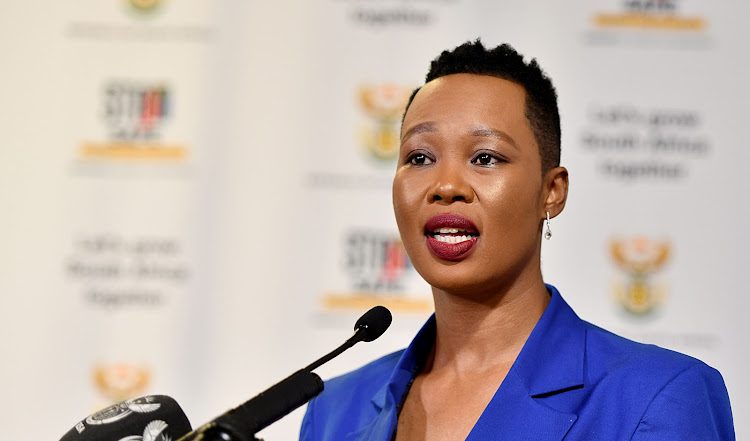
The Department of Small Business Development and the Small Enterprise Development and Finance Agency have launched Imbali For Her, a R300 million national enterprise development programme targeting women entrepreneurs across South Africa. The fund was unveiled on 15 May 2026 in Kimberley, Northern Cape, with a deliberate geographic focus on the country’s most underserved provinces — the Northern Cape, Eastern Cape, and Free State.
The fund offers individual entrepreneurs access to blended finance of up to R5 million per applicant. The structure combines a non-repayable grant component with a concessional loan. For able-bodied women, 40% of the total facility is offered as a grant, with the balance structured as a loan at a rate of prime minus five percentage points. Women with disabilities qualify for a higher grant component of 50%, reflecting the additional barriers they face in accessing mainstream finance. The concessional loan rate is designed to undercut commercial lending terms, which remain largely inaccessible to early-stage women-owned enterprises.
The programme is a product of SEDFA, the entity formed on 1 October 2024 through the merger of the Small Enterprise Development Agency, the Small Enterprise Finance Agency, and the Cooperative Banks Development Agency under the National Small Enterprise Amendment Act of 2024. The consolidation was intended to eliminate the fragmentation that had long characterised government support for small businesses, creating a single institution through which entrepreneurs can access financial and non-financial assistance under one roof.
READ – South Africa’s R500 Million Spaza Shop Fund
The structural case for such a fund is well established. According to the African Development Bank’s Affirmative Finance Action for Women in Africa initiative, women entrepreneurs across the continent face a financing gap of approximately $42 billion. In South Africa, the OECD’s 2026 financing report noted that SEDFA’s predecessor entities provided close to R2 billion in direct loans between 2022 and 2024, of which women-owned micro, small, and medium enterprises received just 22%.
Mastercard’s Index of Women Entrepreneurs found that while 57% of South African women identify as business owners, the country’s SMME failure rate remains among the highest globally — with between 70% and 80% of small businesses failing within five years, according to academic research published in the South African Journal of Entrepreneurship and Small Business Management.
Ndabeni-Abrahams positioned Imbali For Her as a deliberate departure from the volume-driven approach that has characterised previous government funding interventions. She pointed to the limitations of the Covid-19 pandemic-era R500 million entrepreneur relief fund, which drew widespread criticism for poor uptake and disbursement failures.
The core problem, she indicated, was that funding was made available without adequately preparing recipients to meet eligibility requirements or to manage capital once received. Imbali For Her addresses this by embedding ongoing mentorship, coaching, and business development support alongside the financial facility.
The shift in philosophy is equally significant. Rather than measuring success by the number of businesses supported, the programme aims to track the sustainability and scalability of a smaller cohort of enterprises. The minister indicated that supporting ten businesses capable of long-term growth and job creation was preferable to disbursing funds across hundreds of enterprises that lacked the structural support to survive.
SEDFA chairperson Patrick Makape reinforced this, noting that the agency had drawn lessons from previous institutional failures and that the consolidation of SEDA, SEFA, and CBDA into a single entity was specifically designed to deliver more coherent, end-to-end support.
Imbali For Her: Key Fund Parameters
| Parameter | Detail |
| Total fund size | R300 million |
| Maximum per applicant | R5 million (blended finance) |
| Grant component (able-bodied women) | 40% of facility |
| Grant component (women with disabilities) | 50% of facility |
| Loan interest rate | Prime minus 5 percentage points |
| Geographic priority | Northern Cape, Eastern Cape, Free State |
| Administering entity | SEDFA (est. October 2024) |
| Support components | Finance, mentorship, coaching, business development |