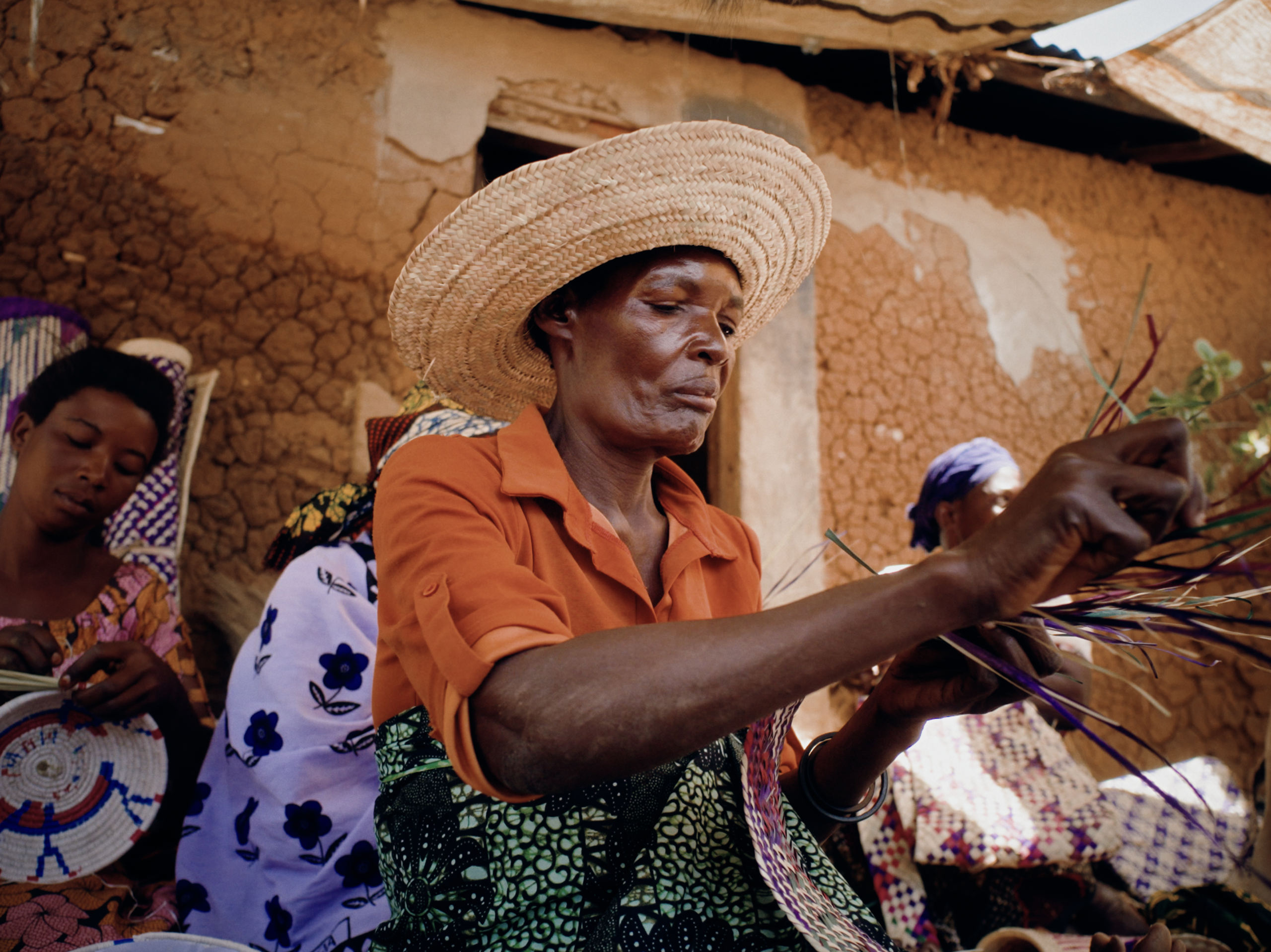
In the far west of Tanzania, in the lush and fertile region of Kagera, coffee is more than a crop, it is a livelihood, a legacy, and the foundation of thriving communities.
Driven by the ambition to solidify the Jacobs ESG strategy through the lens of its purpose and ambition that led to the launch of the Wunderbar Project in 2023, it is here that Jacobs Coffee is deepening its commitment to sustainable sourcing and community development through the Wunderbar Project, a long-term initiative designed to empower coffee farmers with the tools, knowledge and support needed to build resilient, self-sustaining futures.
At its core, the project reflects a simple but powerful belief: when coffee thrives, communities thrive.
The Wunderbar Project is built on collaboration rather than intervention. Working closely with local farmers, Jacobs focuses on knowledge-sharing and practical support, equipping communities with skills to improve coffee production, strengthen financial resilience, and diversify income streams.
This includes training on:
- Sustainable farming practices
- Financial management and planning
- Long-term business development
By strengthening the foundation of each farm, the project enables farmers to build not only more productive operations, but more secure futures.
While the project begins with coffee, its impact extends far beyond agriculture. Across Kagera, farmers are transforming their livelihoods into broader ecosystems of opportunity, creating spaces, businesses and support systems that uplift entire communities.
For Jafari, coffee farming has enabled him to create a gathering space where neighbours come together from a football viewing hub to small community-driven enterprises.
For Helena, it has sparked a network of women supporting one another through shared economic activity.
For Aderina, it has meant improved food security through dairy farming that nourishes both her family and her land.
For Johanes, it has unlocked entrepreneurial ambition, turning harvests into new ventures and for Balagomwa, it has become a platform for preserving knowledge, passing down farming practices through storytelling and song.
Together, these stories reflect a broader truth: sustainable coffee farming can act as a catalyst for inclusive, community-led growth.
For Jacobs, sustainability is not a standalone initiative, it is embedded in how the brand sources, partners, and grows.
The Wunderbar Project demonstrates a shift from traditional supply chain models towards shared value creation, where investment in farmers directly contributes to stronger communities and more sustainable production systems.
Domaine Rautenbach, Senior Brand Manager at Jacobs, says the initiative reflects the brand’s long-term vision: “The Wunderbar Project is about recognising that sustainability starts with people. By working alongside farmers and investing in their knowledge, skills, and communities, we are helping to build something that lasts far beyond a single harvest. What makes this initiative truly powerful is that the transformation doesn’t come from us, it comes from the farmers themselves. Our role is to support that growth and help unlock its full potential.”
As global demand for responsibly sourced coffee continues to grow, initiatives like the Wunderbar Project highlight the importance of building resilient agricultural communities that can sustain both people and production over time.
For Jacobs, the project is not just about improving coffee supply, it is about contributing to a future where farming communities are empowered, connected and economically secure, because ultimately, the true value of coffee lies not only in the cup, but in the communities behind it.