
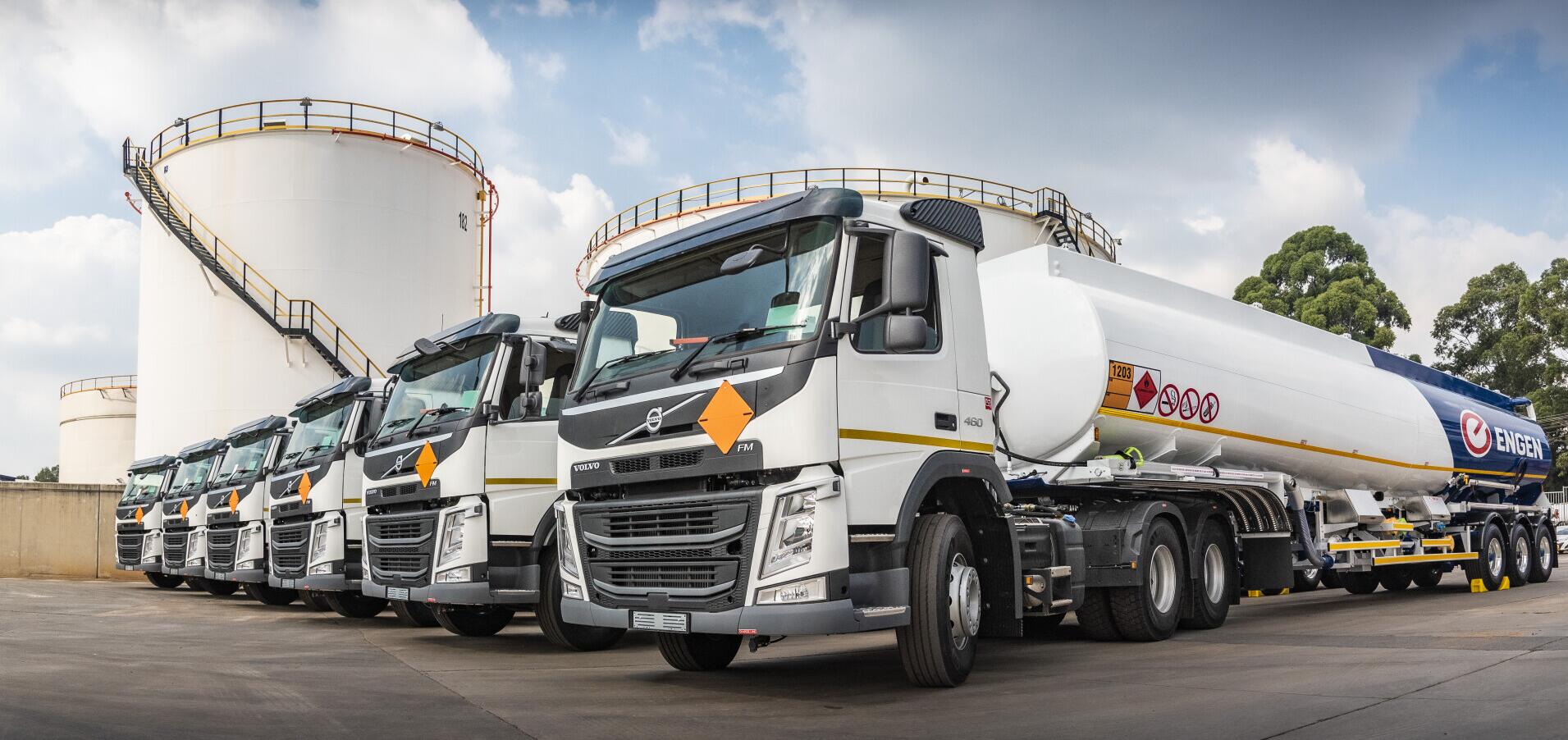
Every time South Africans buy groceries, fill their shopping trolleys or order goods online, they are paying for more than the products themselves. They are also paying, indirectly, for the trucks that transported those goods.
And with diesel representing one of the biggest expenses in road freight operations, the efficiency of those trucks matters enormously.
From 10 to 12 November, 20 extra-heavy trucks representing 13 manufacturers will tackle the demanding Johannesburg–Durban–Johannesburg route in Truck Test 2026, powered by Engen.
Organised by FOCUS on Transport & Logistics, the event is set to be the largest comparative truck test ever staged on the African continent. Engen, as the official fuel and lubrication partner, will supply the diesel for this landmark evaluation of real-world truck performance.
The objective is deceptively simple: establish how efficiently different trucks can transport heavy loads over one of South Africa’s most important freight corridors. But the implications extend far beyond the trucking industry.
Why a single litre matters
Consider a long-distance truck travelling 150,000km annually. An improvement in consumption of just one litre per 100km would save 1,500 litres of diesel every year.
At an illustrative diesel price of R30/litre, that represents an annual saving of R45,000 for a single truck. Across a fleet of 100 vehicles, the potential saving rises to R4.5 million.
For transport operators facing mounting operating costs, such improvements can make a substantial difference to profitability. For the broader economy, more efficient freight movement can help contain the cost pressures filtering through supply chains.
“Most people don’t think about trucks when they look at the price of their groceries, but almost everything we consume has been transported by road at some point,” says Sharveen Maharaj, Commercial General Manager at Engen.
“Every litre of diesel has a cost, and those costs don’t stop with the transport operator. They work their way through the supply chain. That’s why improving fuel efficiency is not simply a trucking industry issue. It’s an economic issue that ultimately affects every South African.”
Putting 20 trucks to the test
Truck Test 2026 will see the participating 6×4 truck tractors haul identical Afrit tautliner trailer combinations at gross combination masses of approximately 56 tonnes.
The vehicles will tackle the same route, carrying comparable loads and operating under prescribed test procedures.
The N3 corridor provides a particularly demanding environment, with steep climbs, long descents and conditions familiar to South Africa’s long-haul transport operators.
Fuel consumption, journey times, average speeds and productivity will all be measured. The assessment will look beyond fuel consumption alone to determine how effectively each truck converts diesel into productive freight movement.
Independent technical specialist TruckScience will undertake data collection and results analysis, with technical oversight provided by Truck Test Technical Director Jayesh “Tiny” Daya.
Engen helps level the playing field
A credible comparison requires more than identical trailers and comparable loads. Fuel consistency is also essential.
As the event’s official fuel and lubrication partner, Engen will supply all the diesel used by the participating trucks, helping to ensure that differences in fuel specification do not compromise the comparison.
The company’s involvement reflects a broader commitment to supporting a more efficient and competitive South African transport industry. “At Engen, we understand that transport operators are under immense pressure to manage costs while keeping goods moving reliably,” says Maharaj.
“Truck Test is important because it moves the conversation beyond manufacturers’ claims and theoretical fuel consumption figures. It puts trucks to work under real operating conditions and generates meaningful data that fleet owners can use when making purchasing decisions.
“We’re proud to power an initiative that gives the industry greater insight into efficiency and productivity. Ultimately, our role is about much more than supplying diesel. It’s about helping to keep South Africa’s economy moving.”
More than a competition
Although Truck Test will inevitably generate considerable interest in which manufacturers perform best, the real beneficiaries will be transport operators seeking reliable information to guide their investment decisions.
Selecting the right truck can have significant consequences for a fleet’s operating costs over many years. Fuel efficiency, productivity and the ability to perform consistently under demanding conditions can all influence commercial success.
The test also comes at a time when South African businesses face growing pressure to improve efficiency, strengthen supply chain resilience and reduce their environmental impact.
Using less diesel to move the same amount of freight can deliver both economic and environmental benefits.
“South Africa depends on efficient road freight transport,” Maharaj notes. “When trucks operate more efficiently, businesses become more competitive and resources are used more responsibly. If initiatives such as Truck Test help operators make better-informed decisions, the benefits can extend throughout the economy. That’s a goal worth supporting.”
Truck Test 2026 takes place from 10 to 12 November, with the participating vehicles starting and finishing at Engen Blockhouse 1 Stop North, south of Johannesburg.
The official results will be announced on 19 November at Bryanston Country Club in Johannesburg and subsequently published by FOCUS on Transport & Logistics.