As the world prepares to mark International Women’s Day on 8 March 2026, the global theme “Give to Gain” is sparking a new conversation about the ROI of female empowerment. Global studies highlight a powerful economic reality: women reinvest up to 90% of their income back into their households, creating a ripple effect that stabilises families and fuels national growth.
In South Africa, where women play a central role in leading communities and driving entrepreneurship, the return on that investment is even more transformative.
This year’s International Women’s Day theme calls for a collective effort to remove barriers, moving beyond basic financial literacy to actively enabling women to thrive in high-growth areas like digital skills and micro-entrepreneurship. Because when women have access to financial tools, education, leadership opportunities and support, the benefits ripple far beyond the individual.
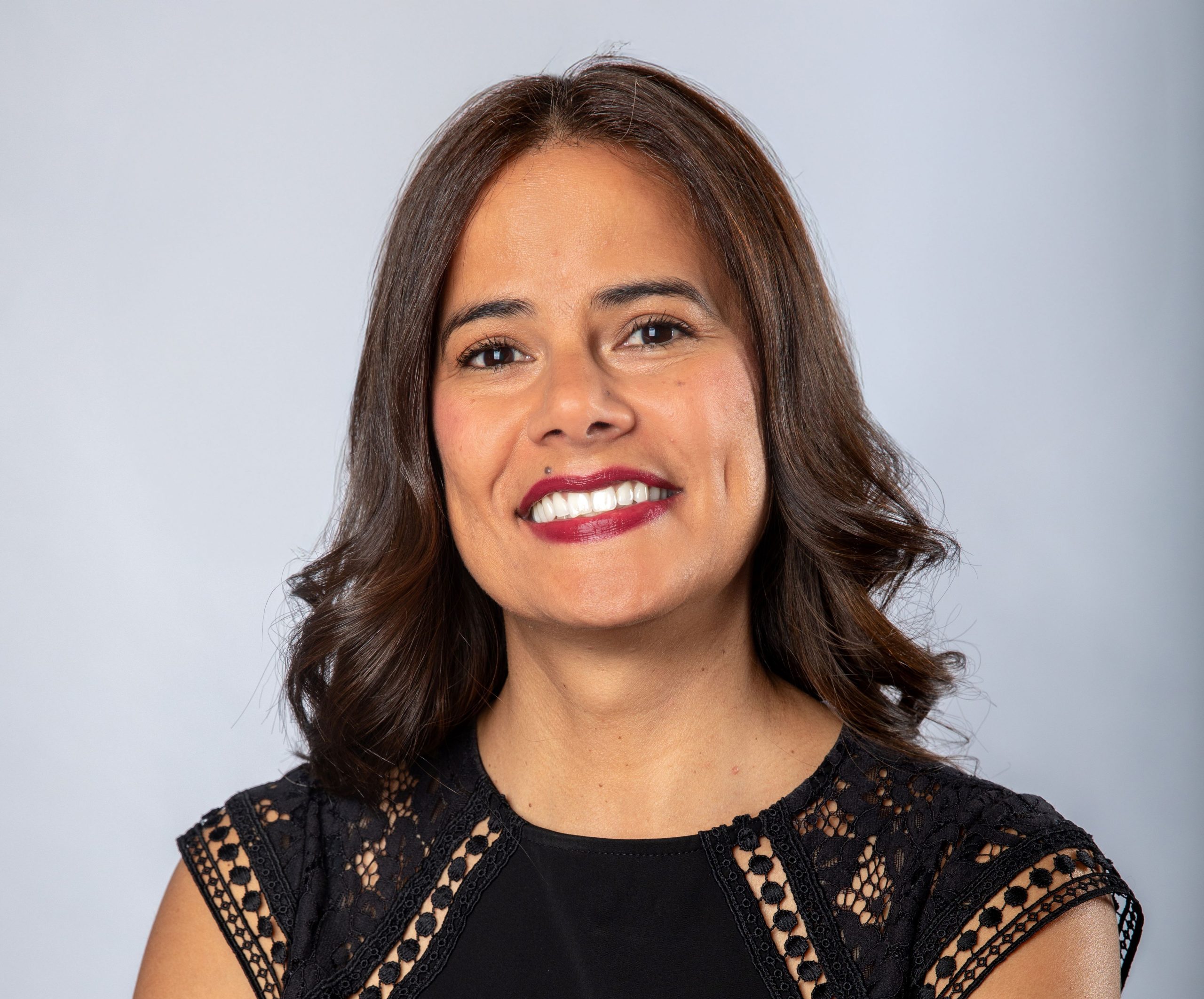
“The ‘Give to Gain’ principle highlights that financial empowerment for women is one of the smartest economic decisions a society can make,” says Sandi Richardson, Chief People Officer at RCS. “When women are equipped to make confident financial decisions, they don’t just stabilise their families, they also fuel community growth and strengthen the entire South African economy.”
The multiplier effect in action
RCS has seen the Give to Gain effect firsthand through its support of the Small Enterprise Foundation (SEF), a non-profit organisation established in 1992 to combat extreme poverty.
Through SEF’s solidarity group lending model – rooted in the Grameen Bank approach – nearly six million loans have been disbursed to women to support the development of sustainable small businesses. In groups of five, women collectively guarantee loans while running their own enterprises, sharing responsibility and supporting one another’s success. This is Ubuntu in action, where shared responsibility and mentorship transform individuals into Economic Architects of their own communities.
Beyond access to finance, SEF provides business education, savings encouragement and community health support. The result is a powerful multiplier effect: rural communities that once faced limited opportunity are now seeing vibrant micro-enterprises, job creation and renewed economic participation.
Investing in yourself is investing in South Africa
Importantly, financial empowerment is not only an external intervention – it is also an act of self-belief and long-term security.
“Financial empowerment is one of the highest-yielding investments a society can make,” notes Richardson. “But this starts with you empowering yourself. A woman who secures her own future first provides a stronger safety net for her community.”
Today, South African women are entering a new era of economic participation, one that shifts from “coping” with financial stress to “commanding” their economic futures.
RCS, which has supported South Africans in making smart financial decisions for decades, offers five practical moves to help women make this shift a reality:
Five moves that change everything
- Dedicate 15 minutes a week to financial upskilling
Small, consistent investments of time into learning about credit, savings vehicles, investing basics or digital skills can dramatically improve long-term decision-making. After all, knowledge compounds, just like interest. RCS offers accessible financial education tools to help you start.
- Think like a “Household CEO”
Every home is an enterprise that should be managed strategically. This includes understanding your credit score, using credit as a tool for growth (not just survival), and re-framing the “financial boundary” conversation as an essential business decision.
- Embrace financial co-piloting
Transparent, shared financial management within a relationship and household builds trust and resilience. Women are increasingly leading conversations around joint planning, long-term goals and wealth creation.When both partners understand the full financial picture, the whole household gains.
- Cultivate an entrepreneurial mindset
An entrepreneurial mindset means embracing opportunity, building financial acumen, diversifying income streams and understanding the basics of investing – whether in a side hustle, a savings product or longer-term growth assets. You do not need to launch a business to think like one.
- Pay it forward
When women mentor each other, whether it be in stokvels, churches, workplaces or communities – new micro-markets and income opportunities emerge. Empowerment shared is empowerment multiplied. The SEF model proves it: six million times over.
“Give to Gain means investing in yourself today so you can create stability for tomorrow,” Richardson concludes. “When women thrive financially, they don’t just build their own futures, they lay the foundations for a stronger, more prosperous South Africa.”