
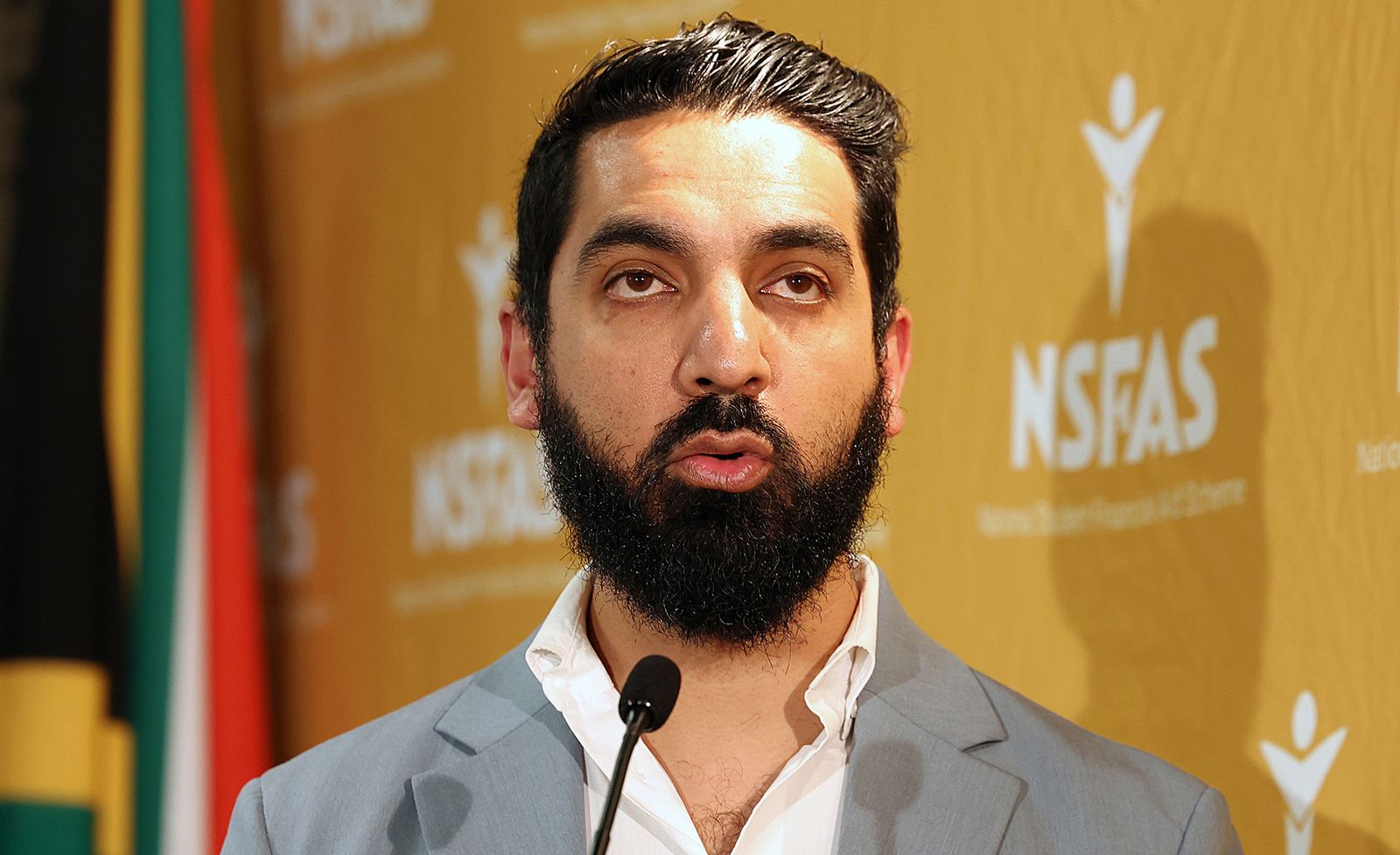
South Africa’s student funding body and the national gambling regulator are moving to curb the growing use of education allowances for online betting, after investigations revealed that some beneficiaries were diverting public funds to gambling platforms. The National Student Financial Aid Scheme (NSFAS) and the National Gambling Board (NGB) have initiated a joint intervention following reports that students were using their allowances to fund accounts with major online bookmakers.
The collaboration follows disclosures that tertiary students had spent portions of their living stipends on betting sites, raising concerns about the misuse of state resources intended for tuition, accommodation and basic living costs. NSFAS disburses billions of rand annually to support students from low-income households, forming a central pillar of government’s higher education access strategy. Any diversion of these funds has implications not only for individual academic outcomes but also for fiscal accountability.
Engagement between the two entities reportedly began in 2025, with a nationwide campaign expected to be rolled out across institutions during 2026. The initiative will focus on awareness programmes, financial literacy campaigns and harm-reduction strategies. The regulator is also expected to engage betting companies on measures to discourage the targeting or onboarding of students dependent on public funding.
South Africa’s gambling industry has expanded rapidly in recent years, particularly through digital platforms. Data from the National Gambling Board’s most recent annual statistics indicate that gross gambling revenue has exceeded R50 billion, with online betting contributing a growing share of turnover. The accessibility of mobile betting applications and aggressive digital advertising have been cited as key drivers of uptake among younger demographics.
The partnership between NSFAS and the NGB aims to address what officials describe as a behavioural risk amplified by economic pressures and the normalisation of online gambling. Students interviewed in the original investigation described motivations ranging from financial strain to aspirations of quick wealth, reflecting broader socio-economic stresses. Youth unemployment remains above 40%, according to Statistics South Africa, intensifying financial vulnerability among young adults.
READ – Bookies Seek to Block Sassa and Student Aid Money From Online Bets
The entities plan to formalise their cooperation through a memorandum of understanding that will establish governance structures for coordinated interventions. Measures under consideration include on-campus workshops, dialogue sessions and improved monitoring within existing legal frameworks. NSFAS has indicated that more comprehensive tracking of allowance spending may only be feasible from 2027 as part of a broader system stabilisation process.
Lawmakers have urged that the initiative be sustained beyond short-term awareness campaigns, with calls for deeper research into gambling prevalence among students. Parallel discussions involving the South African Responsible Gambling Foundation and the SA Bookmakers’ Association are reportedly exploring technological safeguards that could restrict account creation by identified recipients of social grants and student allowances.
The intervention signals rising regulatory scrutiny of digital betting platforms at a time when public finances are under pressure and education funding remains politically sensitive. By aligning student financial oversight with gambling regulation, authorities are attempting to prevent further leakage of state resources while addressing a pattern that could have long-term social and economic consequences.