
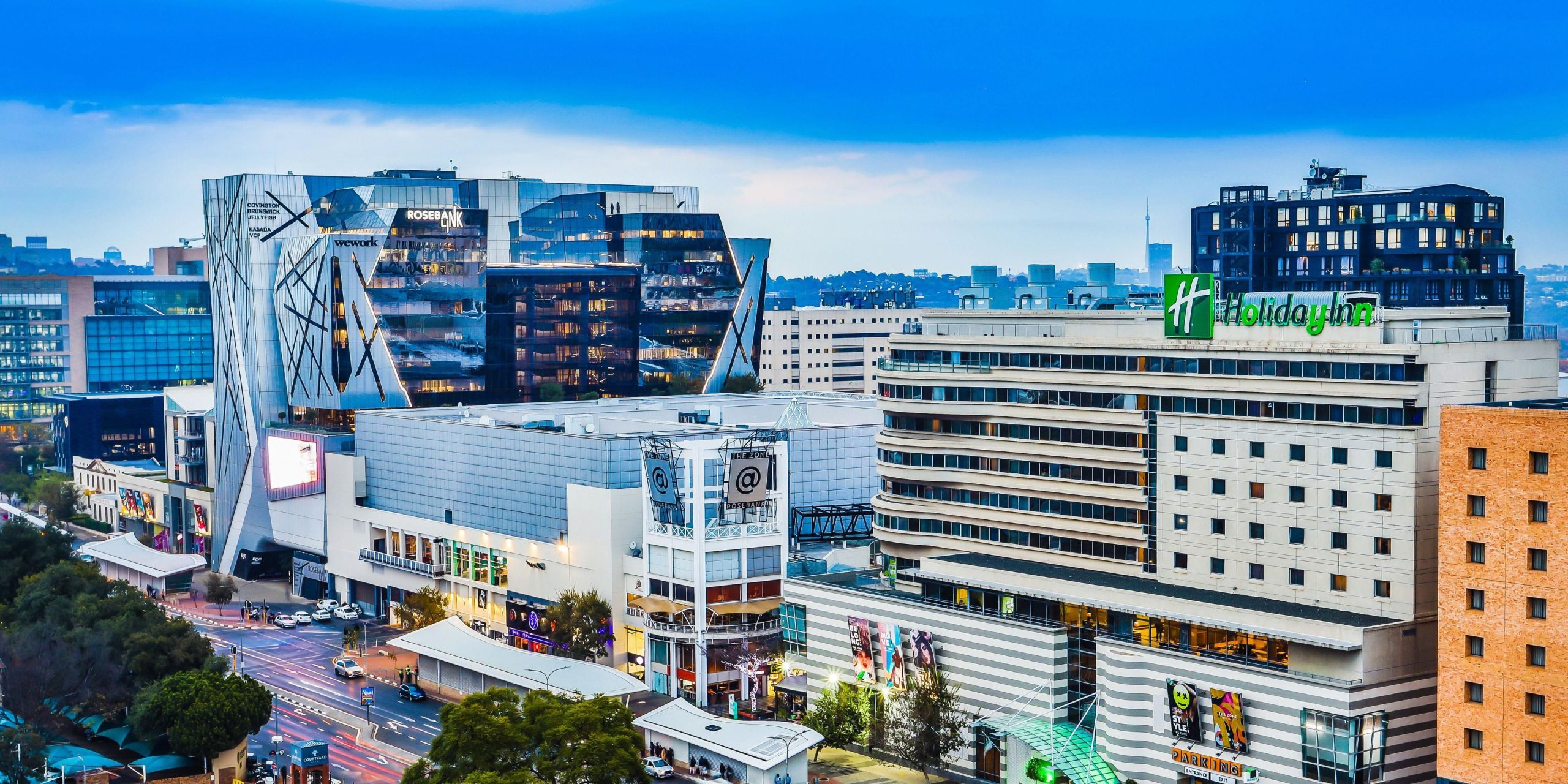
South Africa’s office vacancy rate fell to 12.6% in the first quarter of 2026, its lowest level since mid-2020, signalling a broad-based but measured recovery across major metropolitan nodes. According to the latest office vacancy report from the South African Property Owners Association (Sapoa), the improvement reflects sustained demand for well-located, amenity-rich properties, though asking rentals across many major nodes remain below 2019 levels, indicating that a full recovery will take time.
The report noted that while vacancy rates have improved, the pace of rental growth remains measured, with more than half of all vacant space concentrated in buildings that are at least half empty, particularly in the B-grade segment, where structural and financial constraints limit repositioning.
The national figure masks significant regional divergence. Cape Town continues to be the strongest-performing market with a vacancy rate of 6.0%, supported by consistent node-level recovery and sustained demand resilience. Johannesburg, at 15.5%, is improving but remains elevated, while Durban stands at 11.7%, recording steady gains underpinned by stronger demand in decentralised nodes. Nationally, decentralised markets continue to outperform central business districts, with vacancies at 11.5% compared with 16.1% in CBDs.
The report attributed this trend to occupiers favouring accessible, amenity-rich locations that align with hybrid working patterns. Tshwane presents a notable exception to this pattern: its CBD vacancy rate stands at just 3.5%, lower than most decentralised nodes, reflecting a unique demand base in which national and provincial government departments provide a stable anchor for occupancy.
The divergence between higher- and lower-quality stock continues to reflect a flight to quality. According to the Sapoa report, narrow rental gaps between prime and A-grade space are supporting tenant upgrades, a trend likely to remain a key driver of vacancy shifts into 2026 as competitiveness increasingly depends on building quality.
Rosebank, widely regarded as one of Johannesburg’s stronger-performing office locations, exemplifies this dynamic with a vacancy rate of 7.8%, well below the Johannesburg average of 15.5%, driven by its amenities, transport links and modern stock. By contrast, the Johannesburg metro as a whole continues to record the highest decentralised vacancy rate nationally at 13.8%, though this has eased from recent peaks, signalling a gradual recovery.
Development activity remains notably subdued. Office construction accounts for just 0.8% of existing stock, with only 145,324 square metres under way. The report noted that most new development is driven by tenant demand, evidenced by a pre-let rate of 58.4%, underscoring continued caution among developers. This restrained supply pipeline contrasts with broader commercial real estate trends.
Industry analysis from Mordor Intelligence estimates the South African commercial real estate market at $10.72 billion in 2026, growing from $9.99 billion in 2025, with a projected compound annual growth rate of 7.31% through 2031. The same analysis indicates that certified green office space enjoys vacancy rates 350 basis points below the national average, as corporate environmental, social and governance targets drive leasing decisions.
The broader economic context supports a gradual recovery in office demand. According to the FNB Commercial Property Finance Q3 2025 Property Broker Survey, the final quarter of 2025 marked the first time since the survey began in 2019 that demand outstripped supply across industrial, office and retail spaces simultaneously. Hybrid and return-to-office policies are boosting demand for quality, well-located spaces, particularly in decentralised nodes like Cape Town, while strategic conversions are helping to ease the oversupply of lower-grade stock. However, the Sapoa report concluded that asking rentals across many major office nodes remain below 2019 levels, suggesting that while vacancy rates have improved, landlords have yet to regain meaningful pricing power.