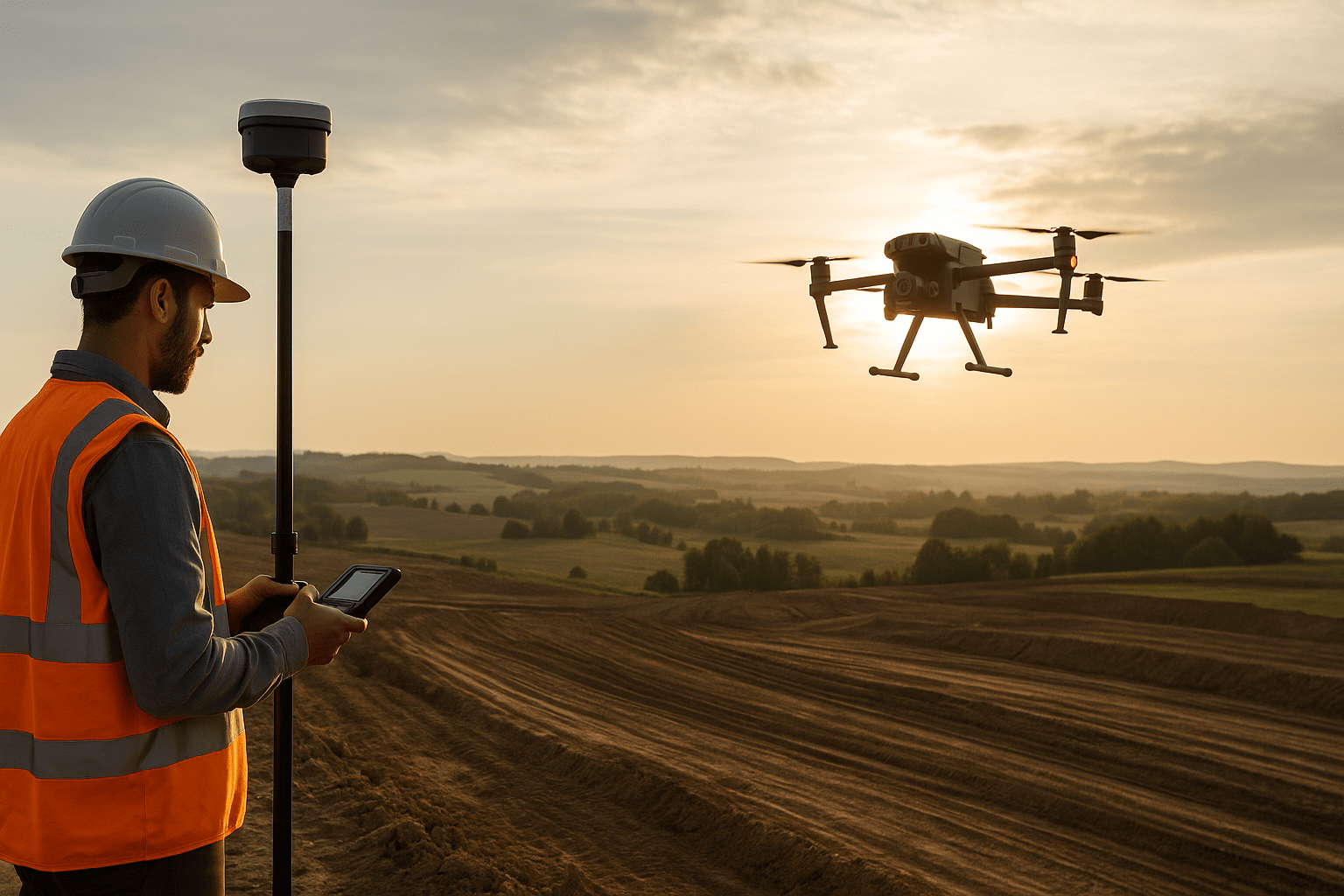
South Africa’s aviation landscape is undergoing a quiet revolution, led by innovators in experimental aircraft, microlights, and drones. According to Industry ARC, South Africa’s small drone market is forecast to reach $369.53 million by 2030, at a CAGR of 22.4% over the period[1].
As cutting-edge drone technology gets more deeply entrenched roles across various South African industries, including agriculture, construction, and private security – Cleme Smith, Santam Specialist Solutions: Aviation, explains that the need for comprehensive commercial cover is two-fold. “Firstly, insurance is to protect the asset itself, but it is also increasingly critical to safeguard against any potential third-party damage.”
Smith uses the example of a drone used commercially to spray vineyards that collides with an irrigation pipe and upon impact catches fire. “In this case, if the fire spreads to the surrounding area, damaging vehicles and property, the insurance would cover the loss of the drone, but it would also help indemnify against the cost of the other third-party damage.”
South Africa is home to several hundred licensed commercial drone operators, each of which typically registers multiple aircrafts. Over and above this regulated sector, however, there is also a far larger base of hobbyist and recreational drone owners, with tens of thousands of new consumer‑grade units sold locally each year.
This distinction between commercial and private use is critical, as it directly determines the type of insurance cover required. Commercial drone use refers to any operation conducted for economic gain or as part of business activities. This includes applications such as aerial photography, agricultural spraying, infrastructure inspections, security surveillance, and even delivery services.
In these cases, Smith notes that operators are required to hold a Remote Pilot Licence (RPL) issued by the South African Civil Aviation Authority (SACAA). “Requirements for a license is that the operator needs to be 18 years and older, submit a valid medical certificate, and complete theory and practical training from a SACAA-approved school.”
In addition, she notes that companies using drones commercially must obtain a Remote Operator Certificate (ROC). “This is particularly relevant where multiple drones are deployed, pilots are employed, or operations form part of a broader business function, such as in mining, construction, or land surveying. The certification process requires formal safety management systems, operational manuals, and compliance documentation, often including proof of insurance.”
Private drone use, by contrast, is limited to recreational or personal purposes, with no financial gain involved. “While no formal licence is required for drones under 7kg, operators must still comply with strict safety rules set by the Civil Aviation Act,” says Smith. “For larger private drones exceeding 7kg, a letter of approval from the South African Civil Aviation Authority is required,” she adds.
Despite the lower regulatory burden, Smith highlights that private users are not exempt from risk. “Theft and collisions remain the most common causes of loss across both segments. Signal interference between the drone and its controller is a frequent contributor to crashes, while opportunistic theft, particularly in remote or unsecured locations, is an ongoing concern in the South African context.”
Importantly, appropriate insurance should cover a drone at all times – when in flight, taxiing or grounded. “A drone is considered in flight from the moment it powers up for take-off until it completes its landing. Taxiing refers to movement on the ground under its own power, while “ground” cover applies when the drone is stationary, switched off, or in storage,” explains Smith. “Each phase carries different risks, and insurance policies are structured and risk rated accordingly.”
She notes, however, that all policies will have certain exclusions. “Generally, claims will not be honoured where drones are used illegally, including operating without the required licences or conducting commercial activities without proper authorisation,” she says.
“Losses linked to malicious acts, regulatory breaches, or broader events such as war are also excluded. And lastly, damage caused by pollution, such as aerial spraying, and losses resulting from electrical or electromagnetic interference would fall outside standard cover,” Smith concludes.