Close Menu
    • ABOUT
    • BOOK STORE
    • ENTREPRENEURSHIP
    • ESG
    • EVENTS & AWARDS
    • POLITICS
    • GADGETS
    • CONTACT
    Facebook X (Twitter) Instagram
    Facebook X (Twitter) Instagram
    Business Explainer
    Subscribe
    • TRENDING
    • EXECUTIVES
    • COMPANIES
    • STARTUPS
    • GLOBAL
    • AGRICULTURE
    • DEALS
    • Ai
    • ECONOMY
    • MOTORING
    • TECHNOLOGY
    Business Explainer
    Home » Unlawful Alcohol Trade Hits R25.1-Billion Mark
    ECONOMY

    Unlawful Alcohol Trade Hits R25.1-Billion Mark

    July 22, 20252 Mins Read
    Share Facebook Twitter Pinterest Copy Link LinkedIn Tumblr Email Telegram WhatsApp
    Follow Us
    Google News
    Share
    Facebook Twitter LinkedIn Email Copy Link

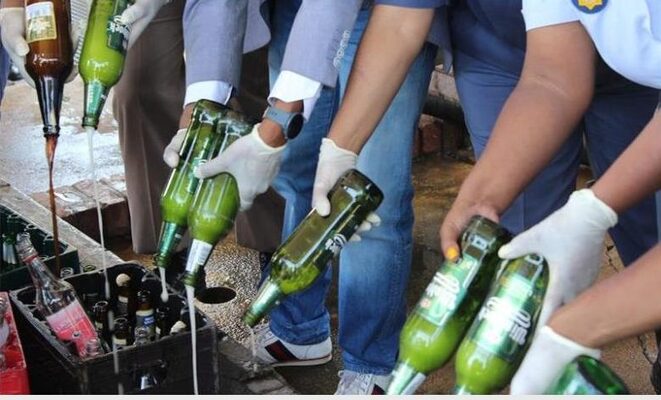
    South Africa is confronting a serious challenge with the illicit alcohol trade, which has ballooned to an estimated R25.1 billion. This surge not only threatens public health but also results in a staggering R16.5 billion loss in tax revenue over the past year.

    The Drinks Federation of South Africa has raised concerns about the increase in illegal alcohol sales, now accounting for 18% of the total market—meaning nearly one in five drinks consumed is illicit. Industry leaders are calling for urgent action to combat this issue.

    Experts describe the illicit trade as a form of organised crime and advocate for coordinated efforts among government, industry, and enforcement agencies. The illegal market poses significant health risks, with dangerous substances often found in these products. Recent studies indicate that a large portion of the population knows someone affected by illegal alcohol, highlighting the severity of the problem.

    Consumers are urged to be vigilant and look for signs of illicit alcohol, such as suspiciously low prices, poor-quality packaging, and the absence of excise stamps. Many consumers, despite being aware of the risks, opt for cheaper illicit options, particularly in low-income brackets, where prices can be up to 70% lower than legal alternatives.

    While the illicit trade threatens public health and tax revenues, the legal alcohol industry remains crucial to the economy. In 2022, it contributed over R226 billion to South Africa’s GDP and supported nearly 500,000 jobs. The sector also generates significant excise tax revenue, which funds essential public services.

    The rise of counterfeiting further complicates the issue, with large-scale production of fake products becoming increasingly common. Experts stress the need for stricter regulation and enforcement to address this growing crisis effectively.

    Follow on Google News
    Share. Facebook Twitter Pinterest LinkedIn Tumblr Email Copy Link WhatsApp

    Related Posts

    Tourism Month 2026: Africa is Becoming South Africa’s Most Important Guest

    September 11, 2026

    South African Factories Rebound in July

    September 10, 2026

    Revill Says South Africa Needs More Job Creators

    September 10, 2026

    South African Mining Output Tumbles 7.5%

    September 10, 2026
    Top Posts

    Absa Launches Grant Fund to Back Young Entrepreneurs

    July 26, 20263,181

    Old Mutual Shareholders Reject CEO Pay Plan

    July 16, 20263,024

    PIC Board Suspends Its CEO

    July 13, 20262,801

    Avatar Confirms Ngubane’s Abrupt Exit as Co-Chief Creative Officer

    July 22, 20262,475
    Don't Miss

    Institutional Investing Lessons For Personal Finance

    September 15, 2026 INVESTING

    We hear the same advice on repeat, just in different fonts and colours: build an…

    Investors Eye Infrastructure As Africa’s EV Market Expands

    September 15, 2026

    Three Essential Facts Every South African Should Know About Wills

    September 14, 2026

    Taxi Drivers And Commuters Receive Free Heart Screenings

    September 14, 2026
    Stay In Touch
    • Twitter
    • LinkedIn
    • Facebook

    Business Explainer proudly displays the “FAIR” stamp of the Press Council of South Africa, indicating our commitment to adhere to the Code of Ethics for Print and online media which prescribes that our reportage is truthful, accurate and fair. Should you wish to lodge a complaint about our news coverage, please lodge a complaint on the Press Council’s website, www.presscouncil.org.za or email the complaint to khanyim@presscouncilsa.org.za Contact the Press Council on 011 4843612.

    Facebook X (Twitter) LinkedIn
    Categories
    • TRENDING
    • EXECUTIVES
    • COMPANIES
    • STARTUPS
    • GLOBAL
    • AGRICULTURE
    • DEALS
    • Ai
    • ECONOMY
    • MOTORING
    • TECHNOLOGY
    contact us
    • Get In Touch
    Facebook X (Twitter)
    • Privacy Policy
    © 2026 Business Explainer .

    Type above and press Enter to search. Press Esc to cancel.