
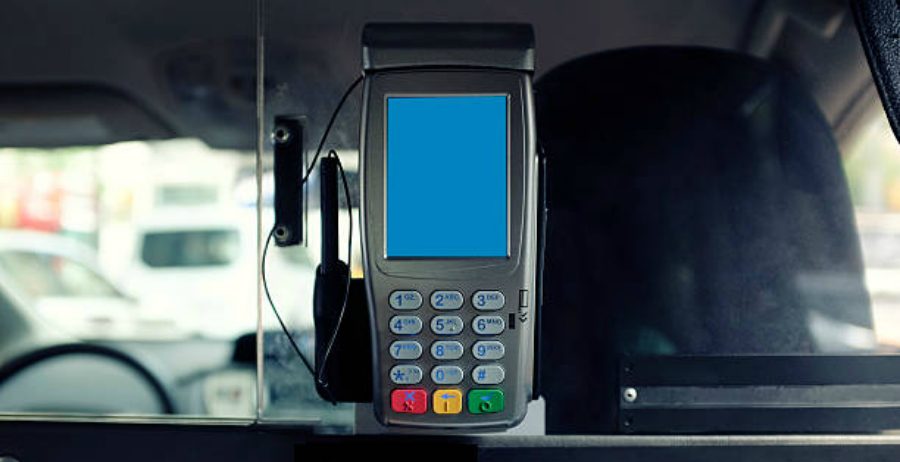
Orange Money Botswana has partnered with the Taxi Association Botswana to roll out digital payment solutions across the country’s public transport network, marking a significant step towards formalising a largely cash-based sector.
The agreement will see taxis and combis branded nationwide while operators are onboarded onto Orange Money’s DuelaEasy merchant platform.
The initiative is designed to expand the use of mobile payments in everyday transactions, while providing transport operators with access to formal financial tools and services.
The integration of DuelaEasy into public transport allows commuters to pay fares directly through mobile phones, reducing reliance on cash and improving transaction efficiency. The approach reflects a broader trend across African markets, where mobile money platforms are increasingly being embedded into high-frequency, low-value transactions such as transport and retail.
The partnership also aims to address structural challenges within the informal transport economy. Many operators have historically operated outside formal financial systems, limiting their access to credit, insurance and financial management tools. By onboarding drivers and owners onto merchant accounts, the initiative seeks to improve financial visibility and unlock additional services tied to digital transaction histories.
The company is positioning mobile money as a core enabler of financial inclusion, particularly in sectors with high daily transaction volumes. Public transport represents a critical entry point, given its role in connecting urban and peri-urban populations and its consistent demand patterns.
The move aligns with wider digitalisation efforts in Botswana’s financial sector. Increasing the adoption of electronic payments remains a priority for reducing cash dependency, improving transparency and strengthening the efficiency of the national payments system. Initiatives targeting informal sectors are seen as key to achieving these objectives.
Beyond convenience, the shift to digital payments introduces enhanced security for both commuters and operators by reducing cash handling risks. It also creates opportunities for transport operators to diversify income streams through integration with broader digital ecosystems, including micro-lending and savings products.