

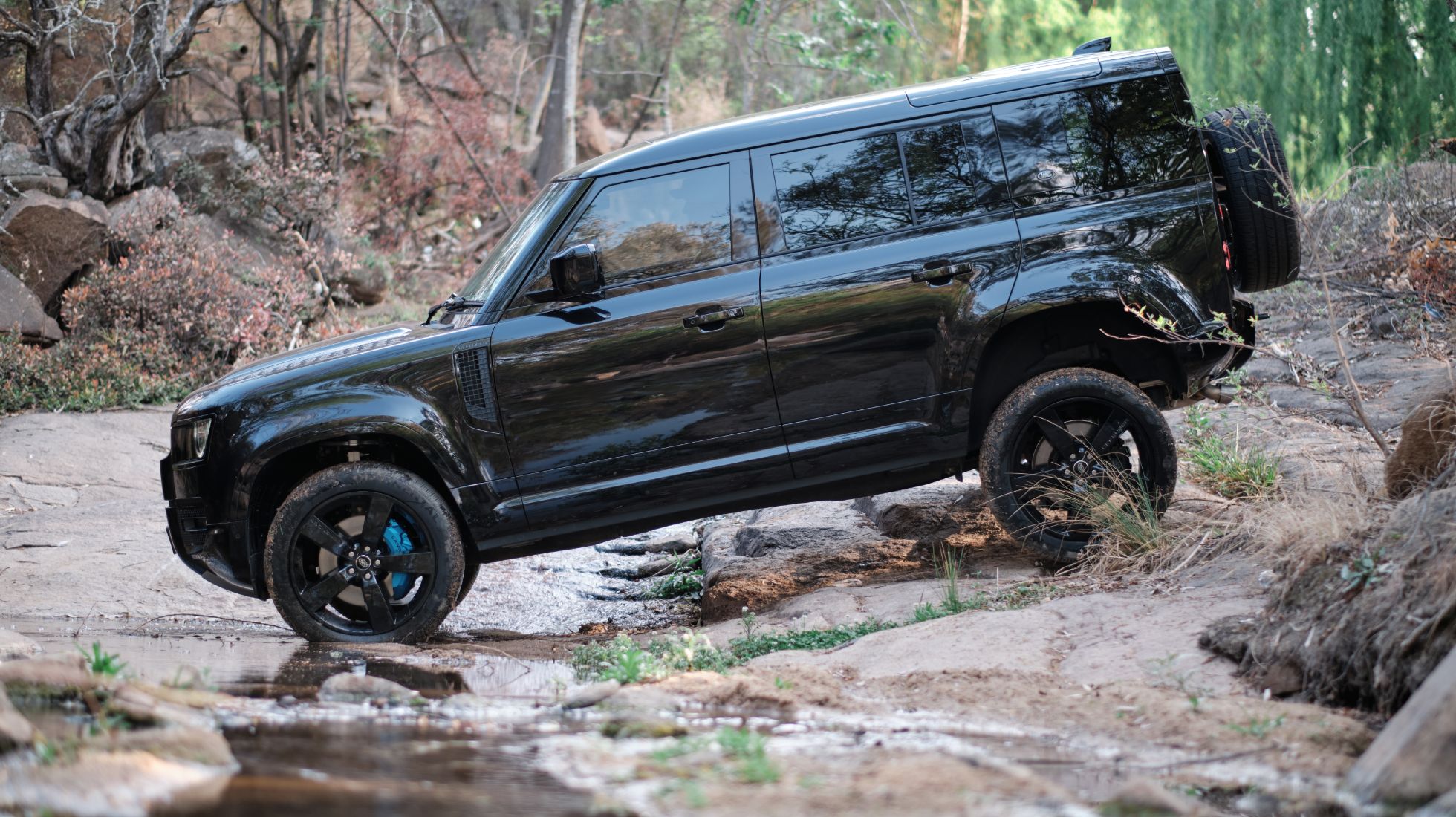
Jaguar Land Rover (JLR) is grappling with the fallout from a cyber attack that occurred on August 31, leading to a production halt that has lasted for over two weeks. The Tata-owned automotive manufacturer has issued multiple press releases regarding the incident, indicating the seriousness of the situation.
The production stoppage primarily impacts Land Rover, as Jaguar has already phased out most of its models in preparation for an electric vehicle (EV) transition, leaving only the F-Pace in production. Under normal circumstances, JLR produces more than 1,000 vehicles daily, but operations are currently suspended, with hopes to resume by September 24.
Missing Inventory and Broader Impacts
Compounding the crisis, JLR has reported that it has lost track of 40,000 vehicles produced before the cyber attack. These brand-new cars have not yet been delivered to customers, raising concerns about their whereabouts. Automotive News Europe highlighted the severity of the situation, and JLR has been approached for further clarification.
The ramifications of the cyber incident extend beyond production delays. The attack has disrupted supplier relationships and hindered the sourcing of parts necessary for dealer servicing. Additionally, shutting down IT systems complicates efforts to prepare used cars for sale.
Business economics professor David Bailey noted that the challenges stemming from the attack could be costing JLR approximately £5 million (nearly $7 million) per day. However, some industry experts suggest that daily losses could be even higher. With the production halt expected to exceed three weeks by September 24, the financial implications are significant.
While JLR initially stated that no data had been stolen, it later acknowledged that some confidential information may have been compromised.
This cyber attack adds to the challenges JLR was already facing, including U.S. tariffs and the decision to phase out most of Jaguar’s lineup, which had already negatively impacted sales and profits during the April-June period. The ongoing disruptions underscore the vulnerabilities in the automotive supply chain and the pressing need for robust cybersecurity measures.