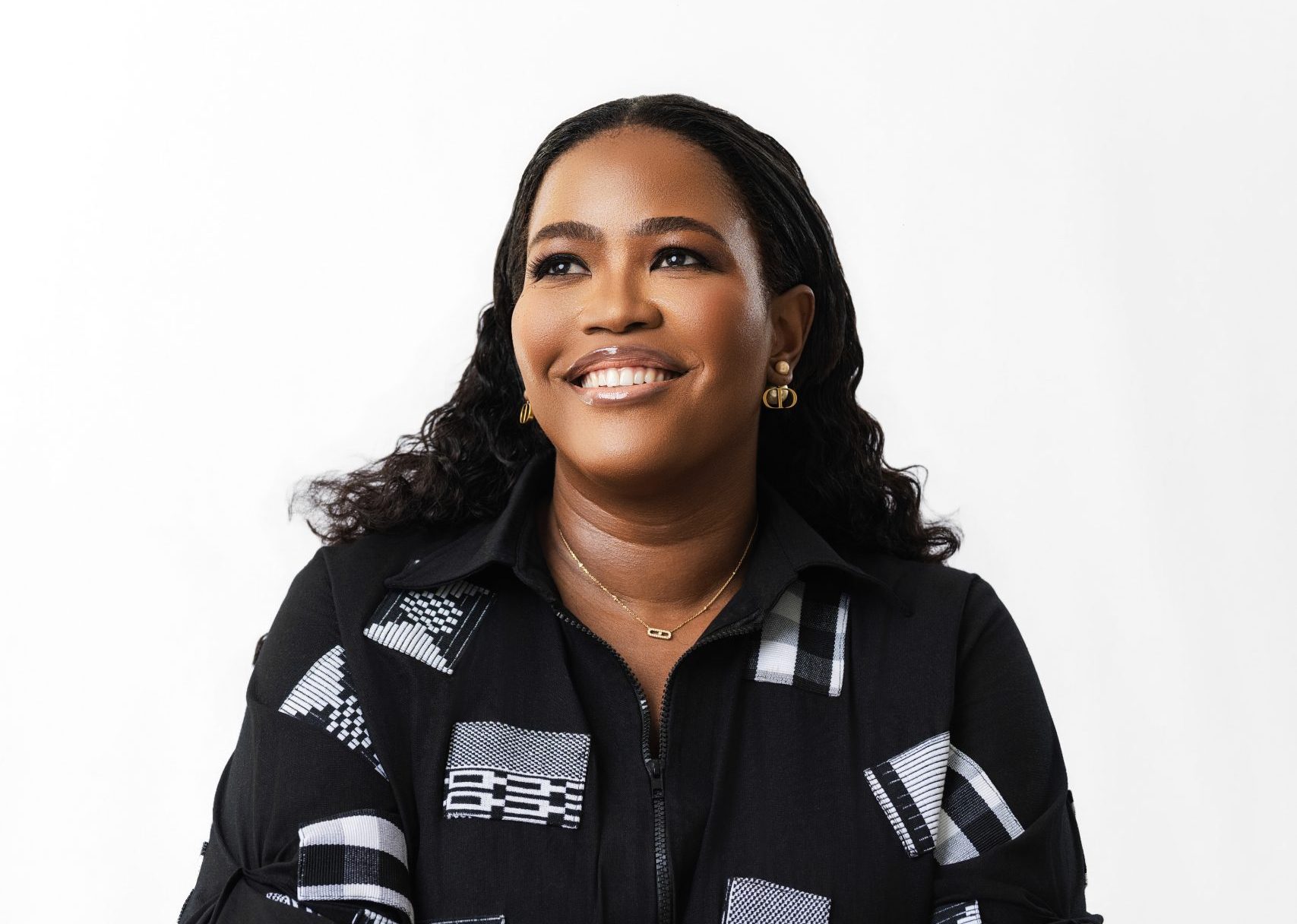
When Linda Mabhena-Olagunju became the first Black woman globally to own and operate a utility-scale renewable energy plant, she understood the milestone as both a deeply personal affirmation and a structural signal. Professionally, it demonstrated that transformation must go beyond participation to include meaningful ownership and control. She has since made clear that the achievement was never about breaking a barrier for herself alone, but about expanding what is possible for others who come after her.
Mabhena-Olagunju is the founder and chief executive of DLO Energy Resources, a continental renewable energy platform that has grown from that first utility-scale asset into a business spanning generation, transmission and storage solutions across Africa. Her entry into the sector was not smooth. The most significant barrier she faced, she says, was access to capital, particularly at the early-stage development phase. While development finance institutions play an important role, what is often not fully understood is that developers are still required to contribute their own equity, which can range from 10% to 15% of the total equity cheque or more. Given the scale of infrastructure projects, this creates a substantial barrier to entry.
Beyond equity requirements, Mabhena-Olagunju points to very limited access to start-up or working capital to fund operational costs during the development phase. Building a pipeline requires teams, technical expertise and time, all of which need to be funded long before projects reach financial close. This makes it exceptionally difficult for new or independent developers to scale. Overcoming this required a combination of strategic partnerships, disciplined capital structuring and a long-term approach to building credibility with investors. She notes that access improves once you demonstrate the ability to execute, but getting to that first point of execution is often the hardest part.
A Pragmatic Transition
Mabhena-Olagunju describes Africa’s energy transition as pragmatic rather than ideological. While renewables will continue to scale, she sees a clear need for dispatchable power to support grid stability and industrialisation. Gas-to-power, in her assessment, will play a critical role as a transition fuel. The biggest opportunities, she believes, lie in integrated energy solutions that combine generation, transmission and storage, as well as in localising supply chains and financing structures. There is also, she argues, a significant opportunity in building African-owned platforms that participate meaningfully across the value chain.

Her leadership philosophy at DLO Energy has been anchored in long-term value creation and disciplined execution. She focuses on building platforms rather than transactions, concentrating on assets, partnerships and structures that endure. “It is also important to remain clear on purpose,” she says. “We are not only building commercially viable businesses, but also shaping markets and creating pathways for broader participation. Consistency, credibility, and strategic patience have been central to our growth.”
On the question of what still needs to change to unlock meaningful participation for Black women in infrastructure and energy, her answer is direct. Access to capital remains the most critical constraint. “Participation without capital is limited and often symbolic,” she says. She calls for greater intentionality from both public and private sectors in supporting Black women-led platforms with funding, not just inclusion mandates. In addition, she argues for a shift from transactional participation to strategic ownership, enabling women to build and scale infrastructure platforms over time.
The Skills Shift
Through the DLO Skills Initiative, Mabhena-Olagunju is investing in youth and AI-driven training. When asked what skills will define Africa’s future workforce, she offers a nuanced answer. While digital and AI-related capabilities will continue to grow in importance, she believes there is an equally critical and often overlooked need for vocational and technical skills. As AI expands, she explains, demand will increase for data centres and digital infrastructure, all of which require significant physical infrastructure and energy capacity. This creates a parallel demand for skilled trades such as electricians, plumbers and technicians, roles that are essential to building and maintaining these systems and cannot be easily replaced by AI.
“The future workforce must therefore be balanced: technologically literate, but also grounded in practical, infrastructure-enabling skills,” she says. “For Africa, this presents a real opportunity to invest in vocational training at scale, ensuring that growth in digital economies translates into broad-based employment and inclusive development.”
On the respective roles of government and the private sector in accelerating renewable energy adoption, Mabhena-Olagunju sees governments playing a critical role in creating enabling frameworks, including policy certainty, regulatory clarity and procurement programmes. The private sector, she says, drives execution, innovation and capital mobilisation. The most successful outcomes, in her experience, come from strong public-private partnerships where each party plays to its strengths. Alignment between policy and capital, she stresses, is key.
Lessons From REIPPPP
Mabhena-Olagunju has direct experience with South Africa’s Renewable Energy Independent Power Producer Procurement Programme, and her lessons from it are pointed. The programme has demonstrated that well-structured, transparent procurement can unlock significant private sector investment. It has also shown the importance of policy consistency and institutional credibility. However, she argues, it has highlighted that ownership structures need to evolve to enable deeper and more meaningful participation by local players.
“A key lesson going forward is the need for greater intentionality from government in ensuring that local participation is not merely symbolic,” she says. “There needs to be stronger oversight and accountability to ensure that major players are not simply paying lip service to transformation. This includes conducting more rigorous audits on local shareholding and, importantly, tracking the real economic benefit flowing to local developers. Too often, the focus is placed on community impact, which, while important, is frequently assessed at a surface level. To measure meaningful impact, one must follow the capital.”
Risks and Resolve
Among the risks in the energy transition that she believes are currently underestimated, Mabhena-Olagunju points first to grid stability. As renewable penetration increases, the need for complementary infrastructure, including storage, transmission and dispatchable power, becomes critical. Another risk is over-reliance on external capital and supply chains. Africa, she argues, needs to build more resilient, locally anchored energy ecosystems.
For young African women looking to enter male-dominated industries, she offers a single mindset shift: the move from seeking permission to taking ownership. “It is important to move from participation to positioning yourself as a builder,” she says, “of businesses, platforms, and solutions. Confidence comes from competence and consistency, but it also requires a willingness to step into spaces before you feel fully ready.”
Mabhena-Olagunju concludes with a broader observation about the continent’s trajectory. “Africa is at an inflection point. The decisions we make today in energy, infrastructure, and capital allocation will shape the continent’s trajectory for decades to come. It is critical that we build systems that are not only efficient and sustainable, but also inclusive and locally anchored. There is a real opportunity to redefine how infrastructure is developed and owned on the continent — and that is what we must collectively work towards.”