South Africans’ lives have moved decisively into digital environments. From online shopping to banking and even how news is consumed, everyday behaviours are now shaped by platforms that prioritise immediacy, convenience and personalisation. It is no surprise, then, that expectations of financial advice are being reshaped in the same vein.
Clients increasingly expect financial services to mirror the best digital experiences they have elsewhere. If they can transact, learn, compare and act at the touch of a button in other parts of life, they naturally question why financial decisions should still feel slow or fragmented. Yet, at the same time, simple interfaces can hide the complexity and seriousness of financial decisions, where long-term consequences still need to be properly understood.
Against this backdrop, the need for holistic financial advice has only intensified. Most financial lives span multiple products, providers and obligations. Optimising one decision in isolation is no substitute for understanding the full picture.
Digital ecosystems play a critical role here by enabling continuous engagement, creating a more dynamic understanding of a client’s financial reality. Behavioural and transactional data can surface meaningful signals over time, from shifts in cash flow to major life events, enabling more timely and relevant interventions. However, the challenge lies in filtering signal from noise, with the goal of improving outcomes without overwhelming clients or advisers.
Crucially, digital environments are enablers, not replacements. The modern financial adviser’s role is becoming even more valuable as a trusted partner in helping clients navigate increasingly complex financial decisions. As technology absorbs more of the routine and administrative workload, the adviser’s value shifts more clearly towards judgement, accountability and reassurance.
Financial decisions often involve trade-offs that only reveal their consequences years later. In these moments, clients still want expert perspective and the confidence that comes from looking someone in the eye and knowing that person stands behind the advice. While AI can support the process, it is not licensed, does not bear accountability in the same way, and is currently unable to offer the human recourse that clients expect when things go wrong.
There are also moments where human expertise is simply irreplaceable. Navigating complexity, weighing competing priorities and supporting clients through uncertainty require context, empathy and perspective. Whether it is a change in income, a growing family, or the approach of retirement, these are not purely technical decisions. They are deeply personal, often emotional, and benefit from human guidance.
At the same time, quieter signals can be just as important. Gradual increases in debt, subtle shifts in spending patterns or early indications of financial stress may not be immediately visible, but they can signal emerging risk. Digital tools are well suited to identifying these patterns early, enabling advisers to intervene before challenges escalate into crises.
Despite these advances, a fundamental challenge remains in our industry: scale. Many South Africans still do not receive the financial guidance they need, leaving large parts. That problem is made worse by the compliance and administrative burden advisers carry, which reduces the time they can spend with clients.
This is where the combination of technology and advice becomes most powerful. By streamlining operations and reducing administrative friction, digital tools can free advisers to focus on higher-value interactions. At the same time, more accessible digital engagement can support earlier and broader client engagement, often strengthening the pathway into trusted advice relationships.
Integrated ecosystems are particularly important in this regard. By bringing together different aspects of a client’s financial life into a single view, they can support more holistic planning. A more connected view of client needs can help advisers deliver better outcomes, especially for those who have historically been excluded from comprehensive advice.
However, this model depends on trust. As data becomes more sophisticated, transparency and consent are non-negotiable. Clients need to understand what data is being used, why it is being used, and how it improves their financial outcomes. They should be treated as informed adults, not managed through opaque systems or patronising nudges.
Equally important is ensuring that data is never perceived to be used against the client, whether it be to manipulate behaviour or prioritise commercial outcomes over client well-being. Responsible data usage should deepen trust, not erode it.
When data can be used responsibly, it creates new possibilities for reaching people who may previously have had limited access to financial guidance. Some needs can be met through simple, accessible products and more structured guidance, while others will require advisers and intermediaries to adopt digital and AI-enabled tools as part of delivering more timely, relevant and scalable support.
The real opportunity is to use these tools to improve the economics of serving more people well, while enabling advisers and intermediaries to deliver more timely, relevant and responsible advice at scale.
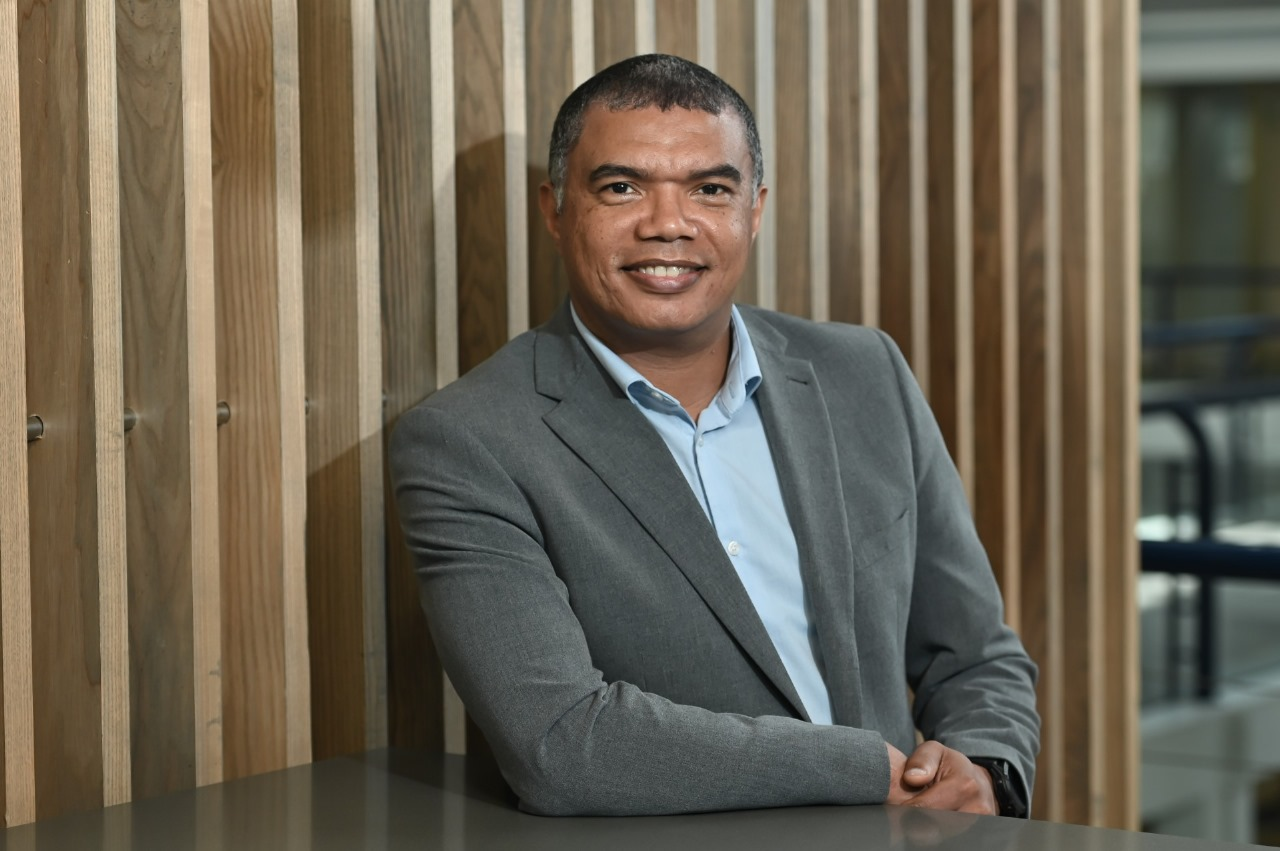
Written by Andre Fredericks, Chief Operating Officer at Sanlam Studios