The first thing you should know about St Petersburg is that your bank card is a piece of plastic with no powers. Mine worked at OR Tambo. It worked in the transit lounge. It stopped working the moment I cleared passport control at Pulkovo, and it stayed dead for the rest of the week.
This is the part nobody puts in the brochure, so let me put it at the top. Visa and Mastercard do not process inside Russia. You cannot tap. You cannot swipe. Your Apple Pay is decoration. What you can do, and what you should sort out before you go, is arrange a local payment method through the Mir system, buy a local SIM on arrival, install a VPN that you trust and load a translator app. Handle those four things and the city opens up completely. Skip them and you will spend your first two days as a well-funded man who cannot buy a coffee.

Now that the unpleasantness is out of the way, let me tell you why I would go back.
A city built to impress
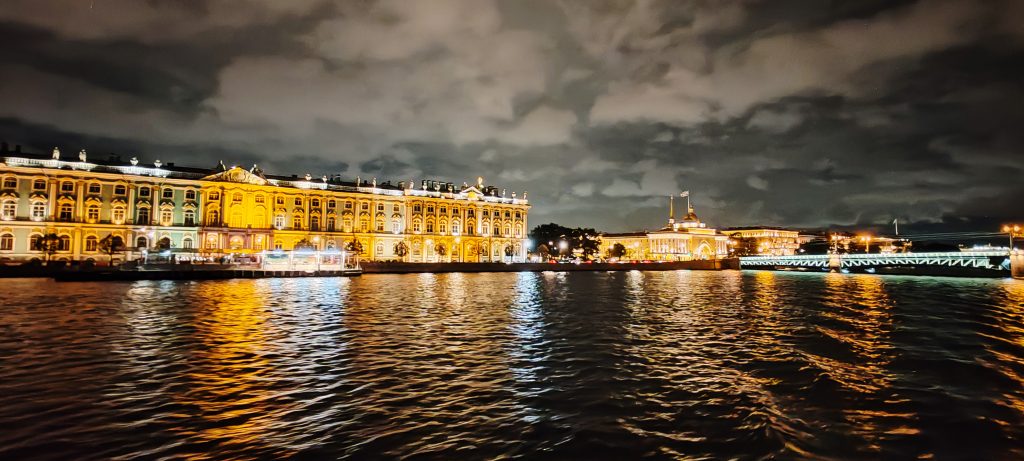
Peter the Great built this place as a statement. He wanted Europe to look at Russia and revise its opinion, so he imported European architects and spent money the way only an autocrat can. More than three hundred years later the statement still lands. You walk out onto Palace Square, the Winter Palace curving around one side, the Alexander Column standing in the middle with nothing bolting it down, six hundred tonnes held in place by its own weight, and you understand you are looking at a declaration of intent rather than a piece of town planning.
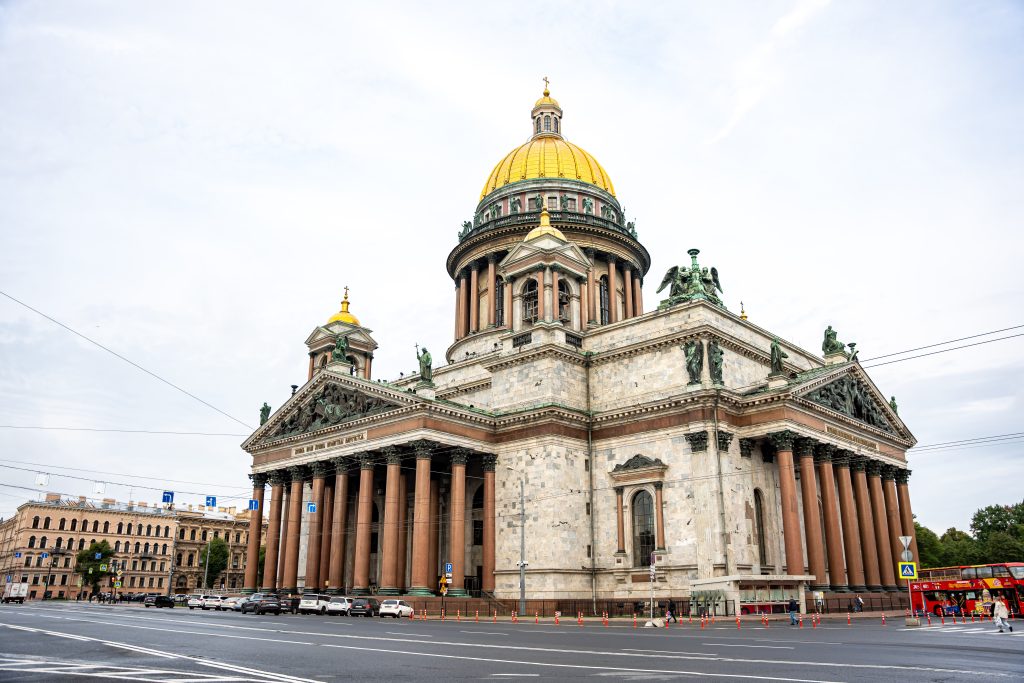
I stayed in two hotels, which I would recommend if the trip allows it. The Angleterre sits on St Isaac’s Square, modern behind a historic face, quietly efficient. The Grand Hotel Europe on Nevsky Prospekt is the opposite proposition. Old money, stained glass, a lift that takes its time, a lobby where you catch yourself lowering your voice. If you have a client to impress, book the Europe. If you have a schedule to keep, book the Angleterre. I did both and the contrast was worth the extra packing.
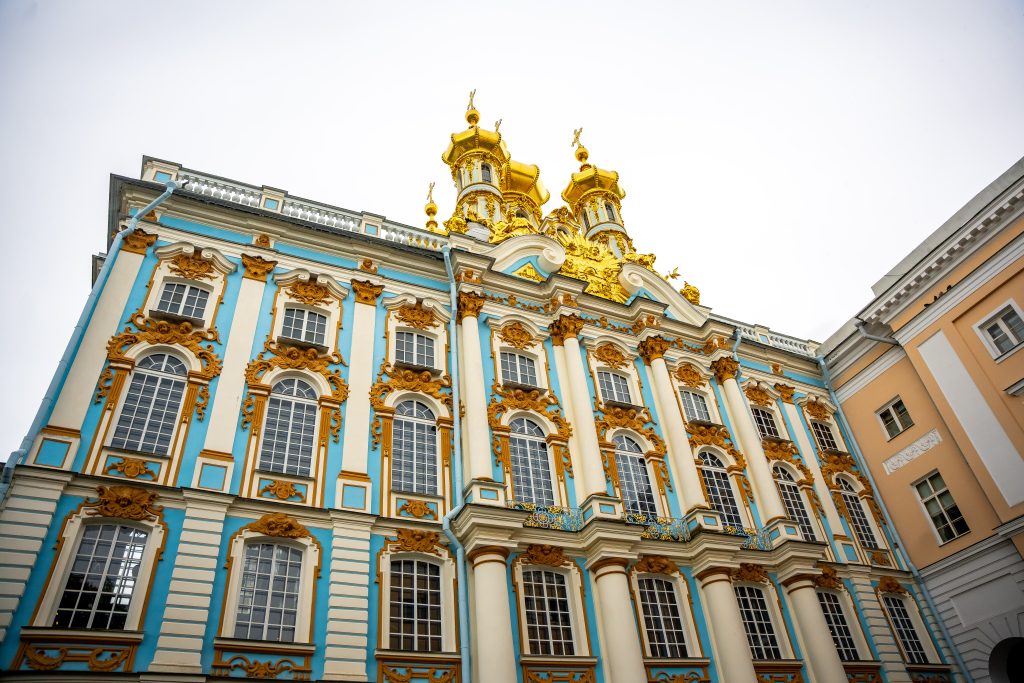
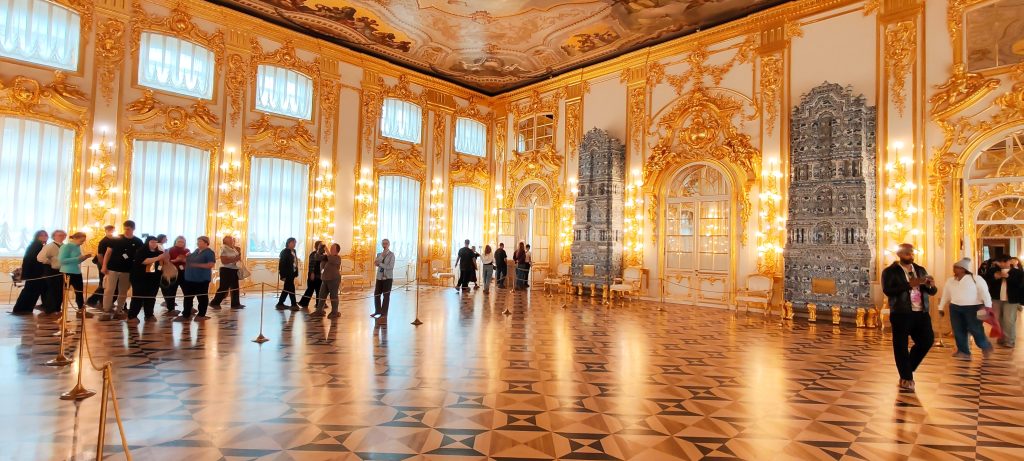
Catherine Palace at Tsarskoye Selo takes about forty minutes to reach and needs careful timing, because the tour groups arrive in waves and the Amber Room is not an experience you want shoulder to shoulder with two hundred strangers. The room is a reconstruction. The original was looted during the war and has never been found. Knowing that does nothing to soften the effect of standing inside a chamber panelled floor to ceiling in fossilised tree resin.
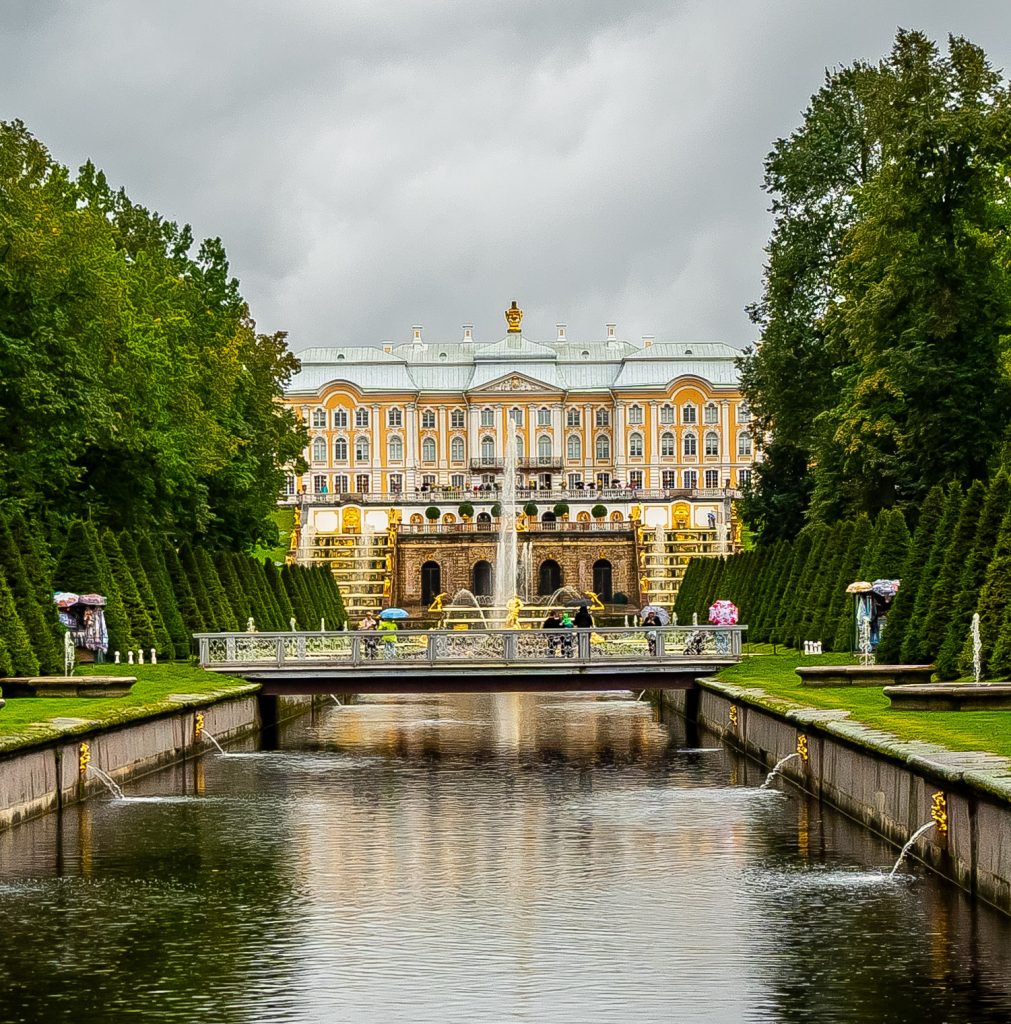
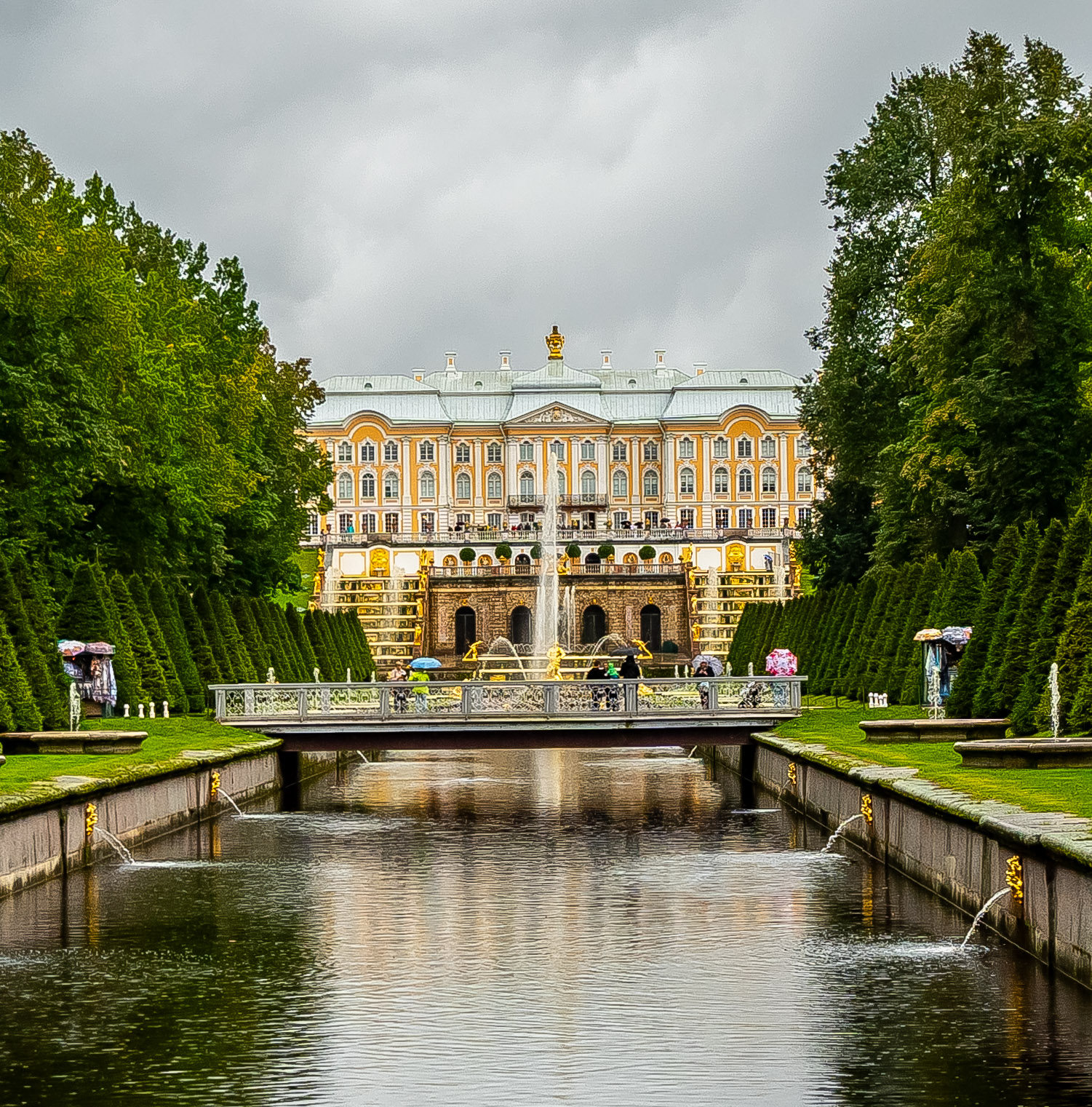
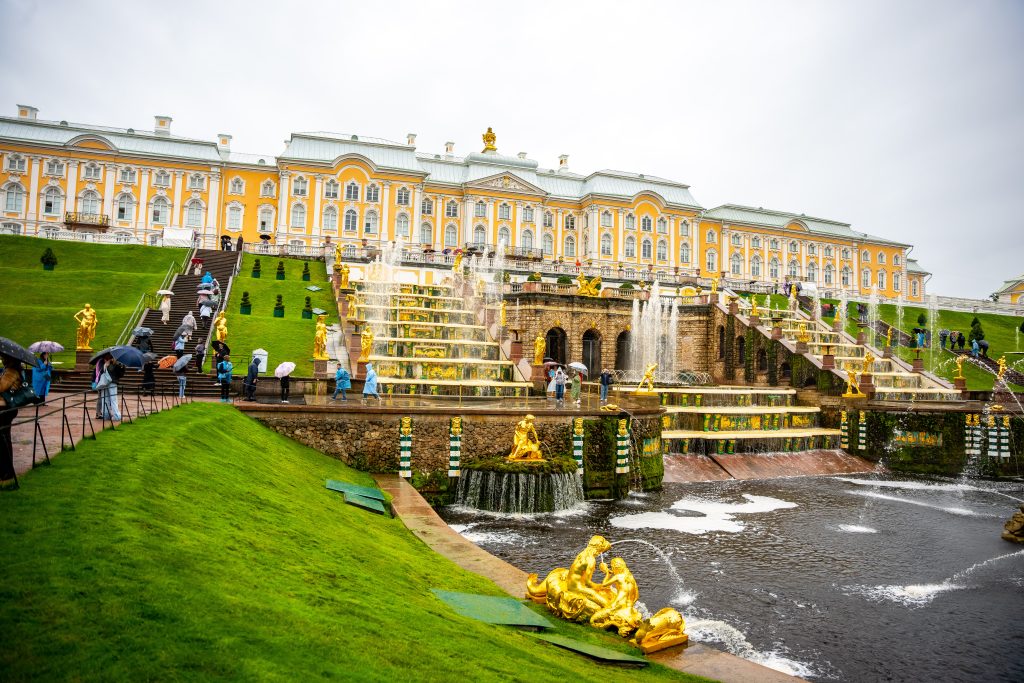
Peterhof is the one that ends up on your phone the most. The Grand Cascade runs on gravity alone, no pumps, an engineering trick from the 1720s that still performs every summer morning when they switch the water on. Take the hydrofoil along the Gulf. The approach from the water is how the place was designed to be seen.
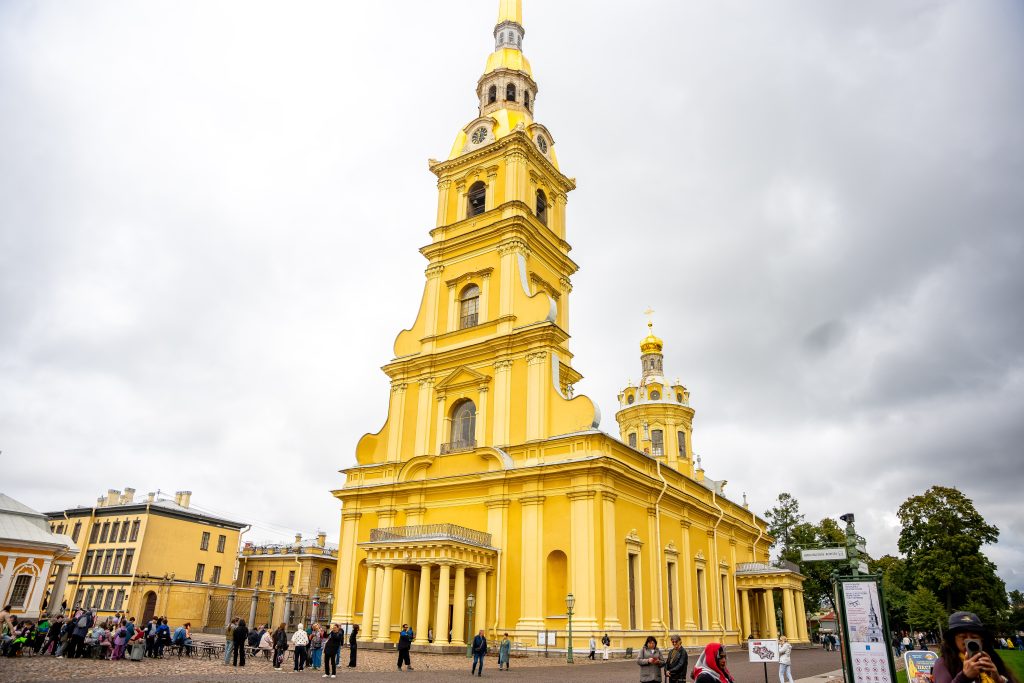
Peter and Paul Cathedral, across the river on Hare Island, is where the Romanovs are buried, most of the last imperial family reinterred in 1998 after eighty years in an unmarked pit in the Urals. It is a quiet room. You find yourself reading name plates instead of looking at the ceiling, which in a building this gilded is saying something.
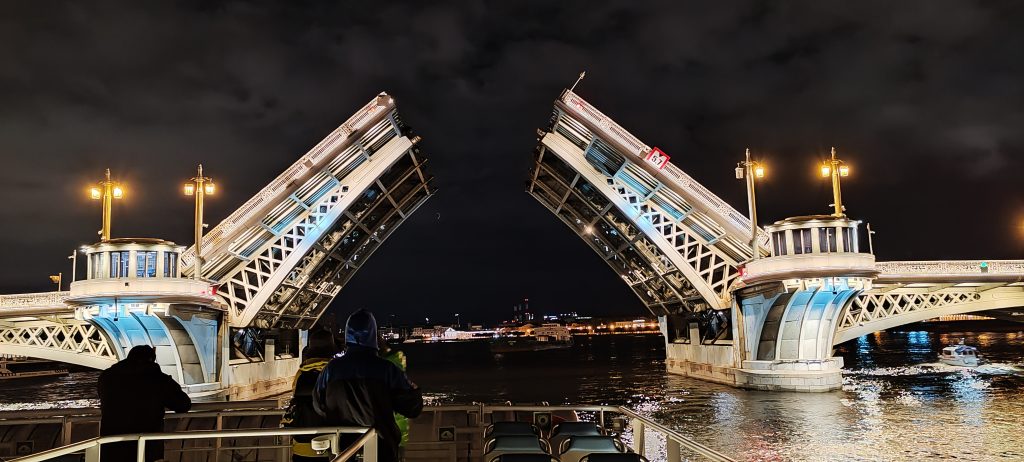
Do the river and canal cruises. Stay up to watch the opening of the bridges, which starts just after 1am and attracts a crowd. The city was built around water and it reorganises itself entirely when you sit below street level and look up. An hour on a boat taught me more about how St Petersburg fits together than a full day of walking.
The other skyline
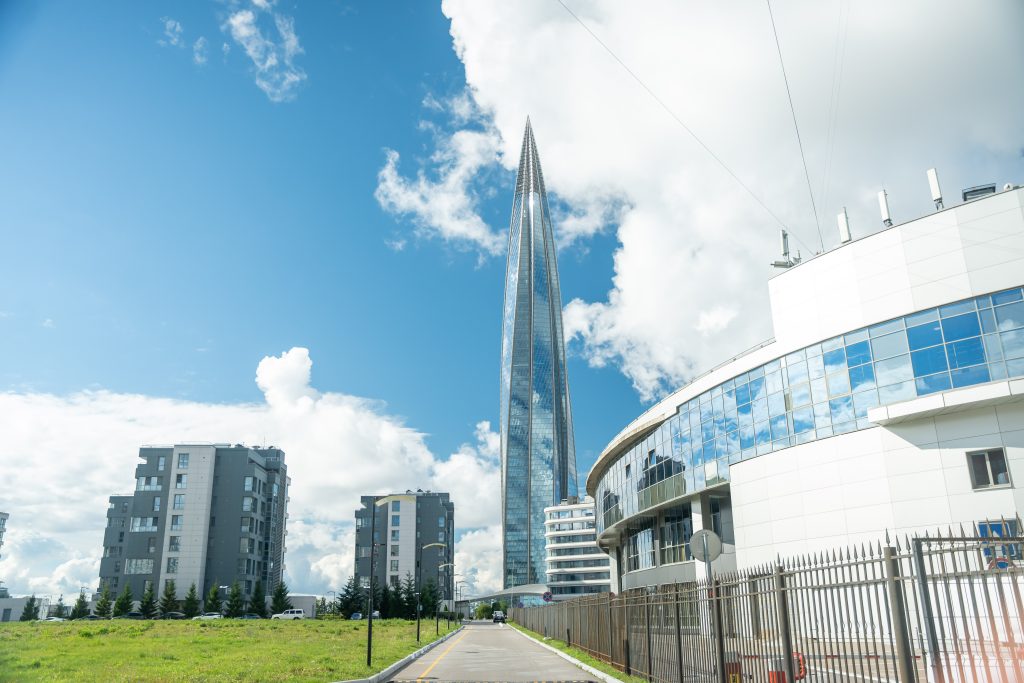
Then there is Lakhta Center, and this is where the trip gets interesting for anyone who runs a business.
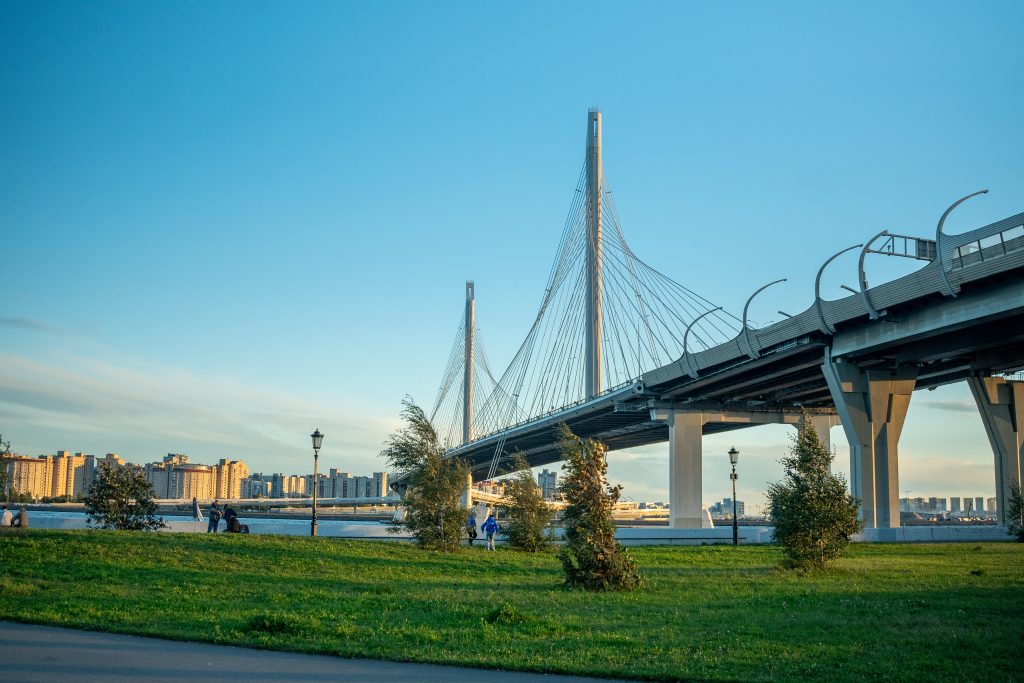
It is the tallest building in Europe, a twisting glass spire on the Gulf coast, and it is Gazprom’s headquarters. Standing at the base of it, you get a direct sense of a country that has moved its centre of gravity and is not being subtle about where it went. Whatever your reading of the politics, the ambition in that structure is legible from two kilometres away.
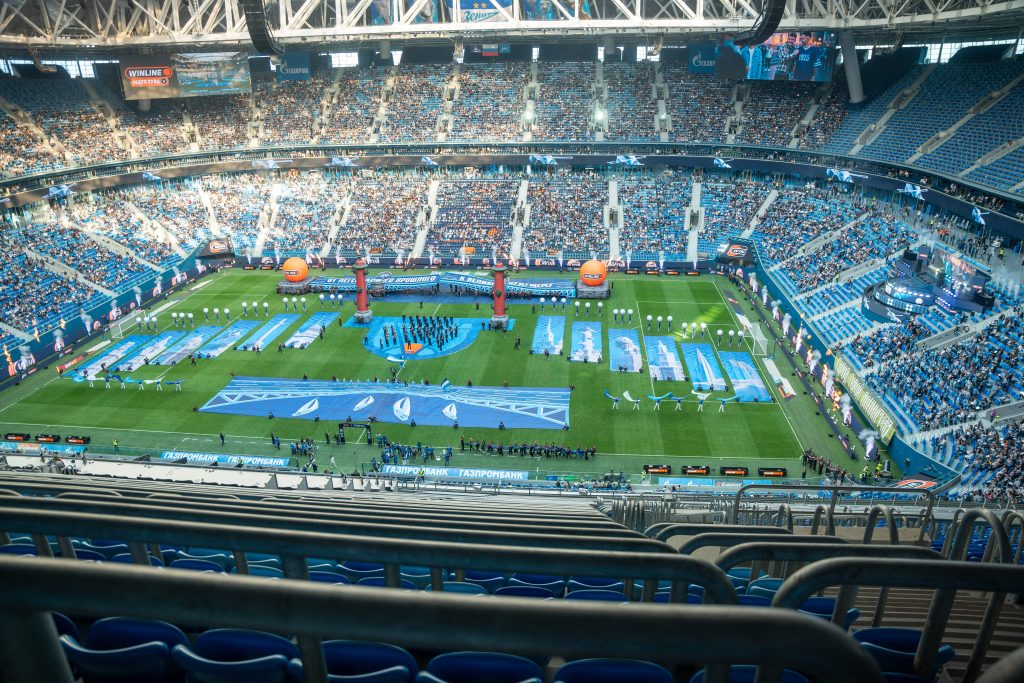
I also went to a football match at Gazprom Arena. Sixty-seven thousand seats, a retractable roof, a pitch that slides out of the building on rails. The crowd was loud, organised, family-orientated and entirely well behaved. If you want to see how a city treats itself on an ordinary Saturday, buy a ticket to the football rather than another museum pass.
Eat the fish

Russian food carries a reputation in South Africa that the actual food does not deserve. I expected heaviness. What I got was freshness. An enormous range of salads. Cured, smoked and baked fish in every form. Pickles and preserves treated as a serious craft rather than a garnish. Red meat is on the menu, but it is not the centre of the plate the way it is at home, and as a man raised on braai logic, it took me two days to adjust and then I stopped missing it.

The tasting menu at Futurist is a proper piece of theatre, a young kitchen playing with Russian ingredients and clearly enjoying itself. Dreva put together a curated menu for us that sat deeper in tradition, and that was the meal I was still thinking about on the flight home.
Then the prices. This is what will genuinely surprise you. A city of this quality, at this level of service, costs meaningfully less than an equivalent week in Western Europe. Not slightly less. Noticeably.
The human part
The people were kind and helpful, but almost none of them spoke English. That combination produces a great deal of goodwill conducted entirely through a phone screen.
The city is spotlessly clean and it felt safe at every hour I was out in it. I walked back to the hotel well after midnight more than once without a moment of tension.
Should you go
If you are a manager with a week to spend and real interest in how power, money and art have collided over three centuries, St Petersburg gives you more per day than almost anywhere else you can fly to. It is not a frictionless destination. It asks for preparation, patience with the language, and clear eyes about the payment situation before you board.
The friction is part of what makes it worth it. You come back having been somewhere, rather than having been processed through somewhere. That is getting rarer every year.
Before you fly: the practical list
Entry. South African passport holders do not need a visa for stays of up to 90 days in any 180-day period. You must, however, pre-register through the RuID app at least 72 hours before arrival.
Getting there. No direct flights from South Africa. The dependable routings are one stop through Istanbul or through Dubai. Budget a full travel day each way.
Money. Foreign-issued Visa and Mastercard do not work anywhere in Russia. Arrange a Mir-based payment method and carry cash to convert on arrival. Clear it with your own compliance and finance people before you travel. Many corporate travel policies have specific requirements here, and that is a conversation to have in South Africa rather than at a hotel front desk.
Connectivity. Buy a local SIM at the airport, passport in hand. Without one you are living off hotel wifi, and you will want data for maps and translation every hour of the day.
Apps. Translator, offline maps, local payment app, VPN. Install and test all four before you leave home.
Insurance. Check the current entry requirement with the Russian embassy, and take cover regardless. Read the exclusions. A number of standard policies leave Russia out entirely, and you want to find that out now.
Timing. Peterhof’s fountains run seasonally, and the bridges are only raised between April and November. Confirm the dates before you build an itinerary around them.