Zimbabwe has reached a staff-level agreement with the International Monetary Fund on a Staff Monitored Programme designed to consolidate recent economic stabilisation and support ongoing efforts to resolve its long-standing external debt arrears. The agreement is intended to reinforce milestones already achieved under Harare’s reform agenda while strengthening dialogue with creditors under a structured platform focused on arrears clearance and debt restructuring.
Zimbabwe remains unable to access fresh funding from the IMF and other multilateral lenders because of external arrears dating back to the early 2000s. External debt totals about US$13.6 billion, including an estimated US$7.4 billion in arrears owed to institutions such as the World Bank and African Development Bank, while total public and publicly guaranteed debt stood near US$23.4 billion as of September 2025. The government has pursued an arrears clearance strategy since late 2022, supported by former African Development Bank president Akinwumi Adesina and former Mozambican president Joaquim Chissano, with the aim of restoring access to international capital.
A Staff Monitored Programme is an informal framework under which IMF staff track a country’s reform implementation to build a credible policy record. According to the International Monetary Fund, the proposed 10-month programme is aligned with Zimbabwe’s National Development Strategy 2 and focuses on tightening fiscal and monetary frameworks, improving the functioning of the foreign exchange market and strengthening governance. The arrangement is not a financing package but is designed to signal policy discipline and pave the way for future engagement with creditors.
The IMF assessment highlights a continuation of Zimbabwe’s recovery through 2025, supported by restrictive monetary policy and firmer fiscal management. Economic growth exceeded earlier projections of 6.6 percent, driven largely by agriculture and mining, with elevated gold prices and improved platinum and lithium output supporting export earnings. Inflation eased to 4.1 percent in January 2026, reflecting exchange rate stability and tighter monetary conditions, while improved tax administration contributed to a narrower fiscal deficit and a small primary surplus.
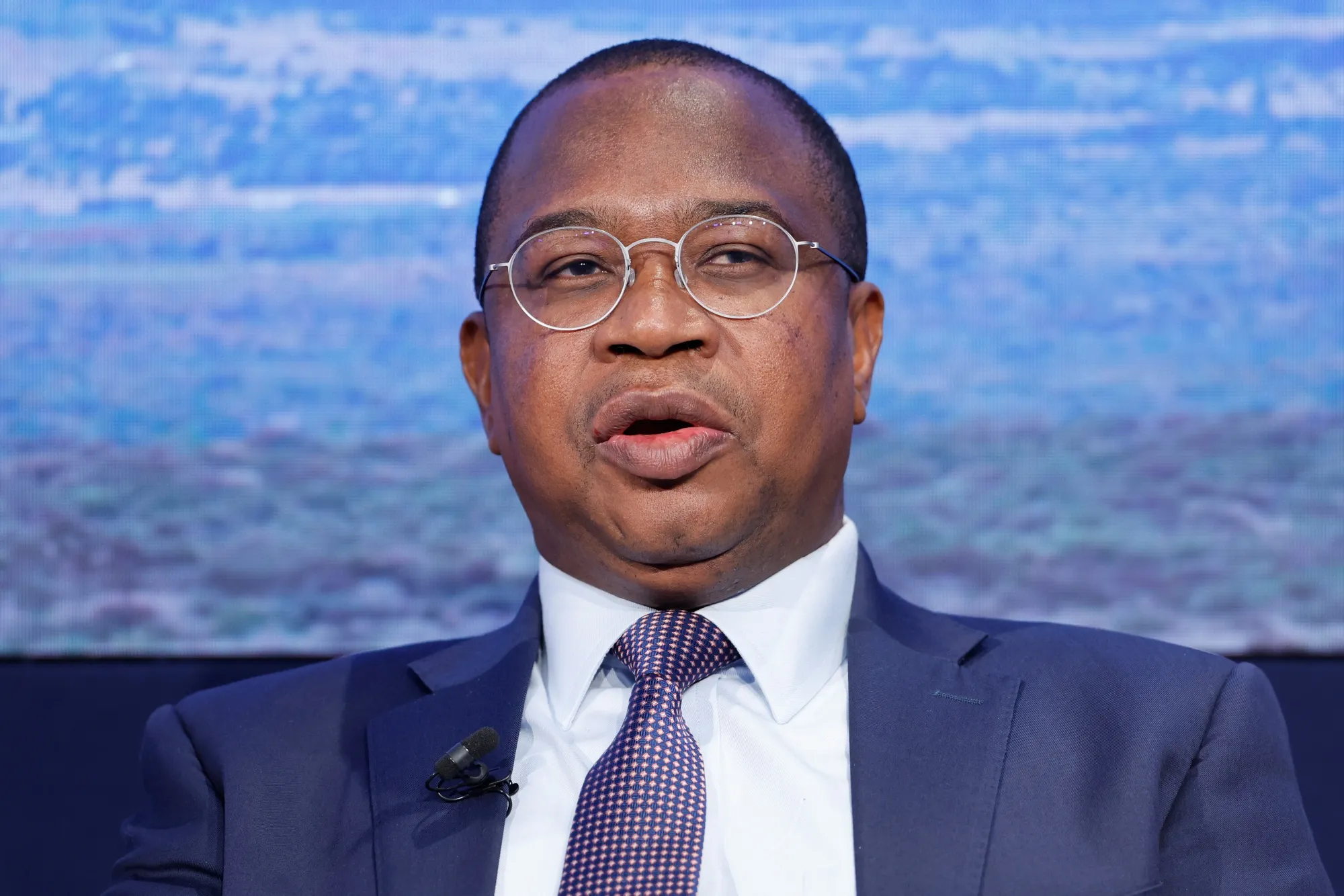
Government officials say the programme differs from earlier engagements because it is anchored in domestic policy frameworks rather than externally imposed conditions. Finance minister Mthuli Ncube has linked the current stability to favourable agricultural prospects and the absence of recent climate shocks that previously disrupted reform efforts. Treasury officials argue that the improved macroeconomic environment strengthens the likelihood of consistent implementation.
The IMF projects growth of around 5 percent in 2026, underpinned by continued momentum in agriculture and mining. Inflation is expected to remain in single digits, while the current account is forecast to post a surplus of roughly 3.8 percent of gross domestic product. Sustained policy credibility and external balance improvements are central to Zimbabwe’s ability to re-engage international lenders and negotiate debt restructuring.
Fiscal discipline forms a core pillar of the programme, with expenditure plans tied to conservative revenue assumptions to avoid new domestic arrears. The IMF frames the arrangement as a confidence-building mechanism aimed at establishing a reform track record that could support negotiations with international partners. Continued progress on governance, transparency and macroeconomic management is expected to shape discussions on future arrears clearance and broader debt resolution.