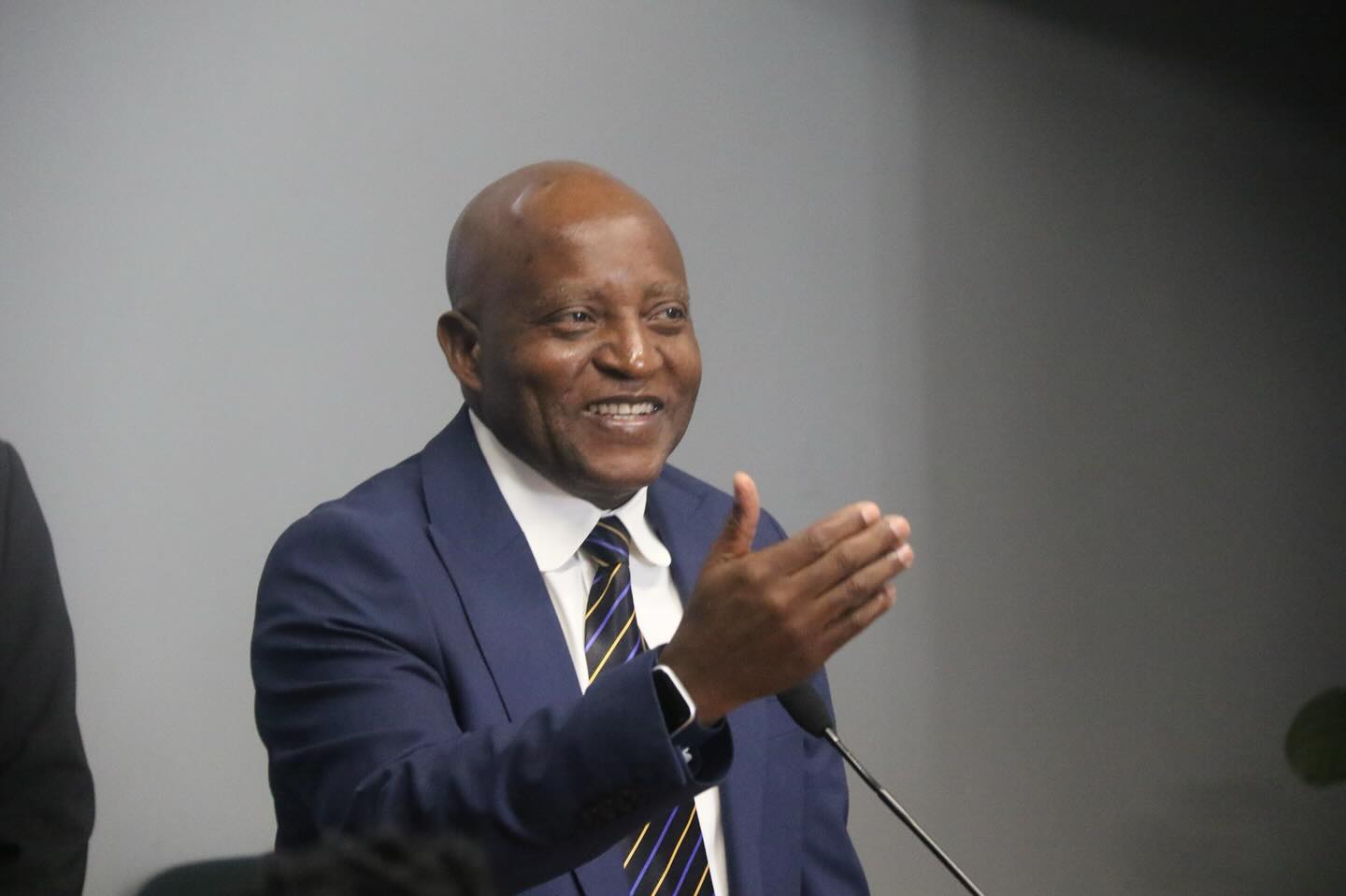
Namibia’s public service workforce increased to 118,936 employees as at 31 December 2025, Prime Minister Tjitunga Elijah Ngurare has said.
Ngurare disclosed the figures during a staff meeting at the Office of the Prime Minister, noting that the public wage bill previously catered for approximately 107,000 civil servants in 2024.
He said the size of the public service, relative to Namibia’s population, places a responsibility on government employees to deliver services effectively while contributing to broader economic participation and opportunity creation, particularly for unemployed young professionals.
“It is imperative as employees of government that we make it our patriotic duty to create opportunities for others, particularly unemployed young professionals nationwide. The NDP 6, strategic plans and annual plans serve as the roadmaps for service delivery. I believe that these must be implemented with a focus on humanity rather than technicalities,” Ngurare said.
READ – AGOA Extension Opens Door for Namibia
The Prime Minister said the public service must play a central role in fostering innovation, economic participation and skills development across both urban and rural communities.
“I fervently believe that the greatness of our country must be measured through recognition of the talent and creativity of our people. We must embrace this in both the private and public sectors. As a public service, we must therefore continue to create opportunities for technological, scientific and economic advancement of all our people,” he said.
Ngurare also highlighted ongoing youth-focused interventions, including the subsidised tertiary education programme and the operationalisation of the National Youth Development Fund, which provides collateral-free loans to youth enterprises. He said more than N$257 million has been allocated to the fund for the current financial year.
He added that labour-intensive programmes involving technical and vocational education and training (TVET) trainees are being rolled out to maintain schools, clinics and other public infrastructure, while local procurement of goods and services remains a key driver of job creation.
Ngurare said Namibia has developed the capacity since independence to extend basic services nationwide, adding that continued investment in infrastructure, agriculture and public facilities remains essential for employment creation and national self-reliance.
According to the Public Service Commission, the public service was costing the state approximately N$35.4 billion annually, including benefits, when it comprised 107,000 employees on government’s payroll.
The previous administration had urged the Public Service Commission to examine options to reduce the size of the government workforce, arguing that the existing headcount had become financially unsustainable.
This article was first published here in partnership with The Brief