
Close Menu
    • ABOUT
    • BOOK STORE
    • ENTREPRENEURSHIP
    • ESG
    • EVENTS & AWARDS
    • POLITICS
    • GADGETS
    • CONTACT
    Facebook X (Twitter) Instagram
    Facebook X (Twitter) LinkedIn
    Business explainerBusiness explainer
    Subscribe
    • TRENDING
    • EXECUTIVES
    • COMPANIES
    • STARTUPS
    • GLOBAL
    • AGRICULTURE
    • DEALS
    • ECONOMY
    • MOTORING
    • TECHNOLOGY
    Business explainerBusiness explainer
    Home » DAVID REYNDERS: SA’s R2 Trillion SME Sector Just Got a Smarter Way to Borrow
    Entrepreneurship

    DAVID REYNDERS: SA’s R2 Trillion SME Sector Just Got a Smarter Way to Borrow

    March 27, 2026
    Facebook Twitter LinkedIn Telegram Pinterest Tumblr Reddit WhatsApp Email
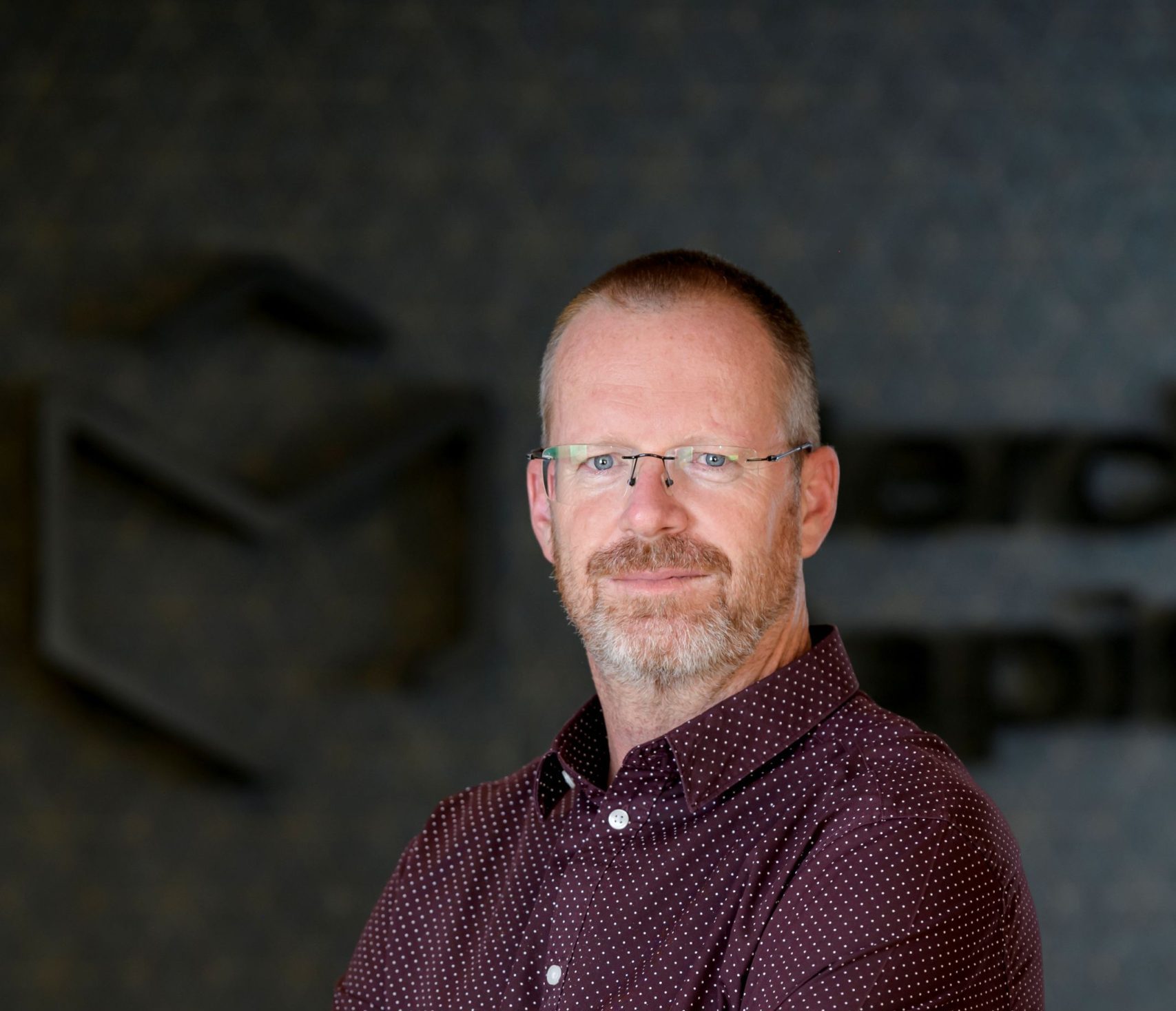
    David Reynders, CTO at Merchant Capital
    Share
    Facebook Twitter LinkedIn Pinterest Email

    If you run a small business in South Africa, you are already inside a digital ecosystem. Transactions flow through point-of-sale systems, card machines settle revenue, and accounting software tracks supplier payments and invoices. Every sale, payment, and trading cycle leaves a data trail.

    However, funding has not always kept pace with this reality. Many SMEs still rely on informal credit (via friends and family) or processes built around static applications, fixed instalments, and historical balance sheets. That model was designed for a slower, more forgiving economy, where financial performance was assessed periodically rather than continuously and growth opportunities could wait.

    But trading businesses today generate real-time signals about how they operate. Revenue velocity, seasonality, transaction consistency, and supplier cycles can all be measured. Instead of relying only on projections or collateral, lenders can increasingly analyse how a business actually trades.

    This represents a structural shift in SME funding.

    For operators in sectors such as retail, hospitality, or franchising, the implications are significant, opening a new outlet requires deposits, equipment, and staffing before revenue stabilises. Seasonal demand spikes require inventory and payroll to be funded weeks in advance. Traditional funding structures that rely on rigid repayments often fail to reflect these realities, creating pressure precisely when businesses need flexibility and quick decisions.

    But, data-driven lending models are beginning to close this gap.

    At Merchant Capital, we analyse real trading patterns to provide asset-free growth funding aligned with how SMEs generate revenue. That means capital can be deployed quickly when opportunities arise, and repayment structures can move in step with the business’s natural rhythm.

    Speed matters most because expansion opportunities rarely wait, a location can become available, a supplier can offer favourable pricing, or demand spikes during a trading season. If capital takes months to secure, those opportunities disappear just as quickly as they arrive.

    Flexibility is just as important. Repayment structures aligned to trading performance help businesses navigate slower periods without unnecessary strain while allowing them to accelerate repayment when revenue strengthens.

    South African SMEs are already operating in increasingly digital, data-rich environments. The next phase of SME finance will be defined by funding models that recognise this reality. When capital moves in step with the way businesses actually trade, growth decisions become less reactive and far more strategic.

    Written by David Reynders, CTO at Merchant Capital

    Share. Facebook Twitter Pinterest LinkedIn Tumblr Telegram Email
    Previous ArticleMid-Tier Banks Shift Focus to Non-Interest Revenue
    Next Article Castle Lite Rewrites the Rules of SA’s Draught Beer Market

    Related Posts

    How to Spot a Real Telesales Call Every Single Time

    April 21, 2026

    What to Know About SA’s R88bn in Unclaimed Money

    April 21, 2026

    Five Financial Terms Worth Understanding

    April 21, 2026
    Top Posts

    Seven Families Sue OpenAI In ChatGPT Suicide Scandal

    November 10, 2025

    Volkswagen Chief Praises Chinese Competition for Sparking Innovation

    November 7, 2025

    WomenIN Festival 2025 – Limitless: No Labels, No Limits, No Apologies

    November 9, 2025

    Nersa Opens Public Consultation on Eskom’s New Tariff Calculation 

    October 24, 2025
    Don't Miss

    Understanding South Africa’s 2026 CPA Amendments on New Opt-Out Rules for Direct Marketing

    OPINION

    The Consumer Protection Act Amendment Regulations, 2026 deliver the long‑awaited operational framework for South Africa’s…

    How to Spot a Real Telesales Call Every Single Time

    April 21, 2026

    YesPlay Named Title Sponsor for Springboks vs Barbarians Match

    April 21, 2026

    What to Know About SA’s R88bn in Unclaimed Money

    April 21, 2026
    Stay In Touch
    • Twitter
    • LinkedIn
    • Facebook

    Business Explainer proudly displays the “FAIR” stamp of the Press Council of South Africa, indicating our commitment to adhere to the Code of Ethics for Print and online media which prescribes that our reportage is truthful, accurate and fair. Should you wish to lodge a complaint about our news coverage, please lodge a complaint on the Press Council’s website, www.presscouncil.org.za or email the complaint to khanyim@presscouncilsa.org.za Contact the Press Council on 011 4843612.

    Facebook X (Twitter) LinkedIn
    Categories
    • TRENDING
    • EXECUTIVES
    • COMPANIES
    • STARTUPS
    • GLOBAL
    • AGRICULTURE
    • DEALS
    • ECONOMY
    • MOTORING
    • TECHNOLOGY
    contact us
    • Get In Touch
    © 2026 Business Explainer
    • Privacy Policy

    Type above and press Enter to search. Press Esc to cancel.