South Africa has significant improvements to make concerning the country’s waste management. According to the DFFE, it is estimated that the nation generates around 122 million tonnes of waste annually and 90% of that goes to landfills. Industry estimates that only 10% of the country’s waste is diverted, mainly through recycling.
Comparative statistics indicate that Australia recovers around 66% of its waste and sends only 34% to landfill. Spain, which generates a similar amount of waste to South Africa, sends 29% to landfill and recovers 71% through a variety of strategies. Both these countries have far more extensive programmes and direct incentives that have helped their industries minimise their waste.
South Africa does have a robust legal framework for waste management that aligns with international standards on Extended Producer Responsibility (EPR), waste licencing and classification. However, there are notable and widespread infrastructure gaps in the country systems and weak enforcement of regulations, including low landfill disposal tariffs, which support the high volumes of waste to landfill.
The CSIR National Waste Baseline Report show that much of South Africa’s waste is generated by economic activity in sectors such as mining, manufacturing and commercial operations. Yet institutional support for businesses seeking to minimise waste remains fragmented and underdeveloped.
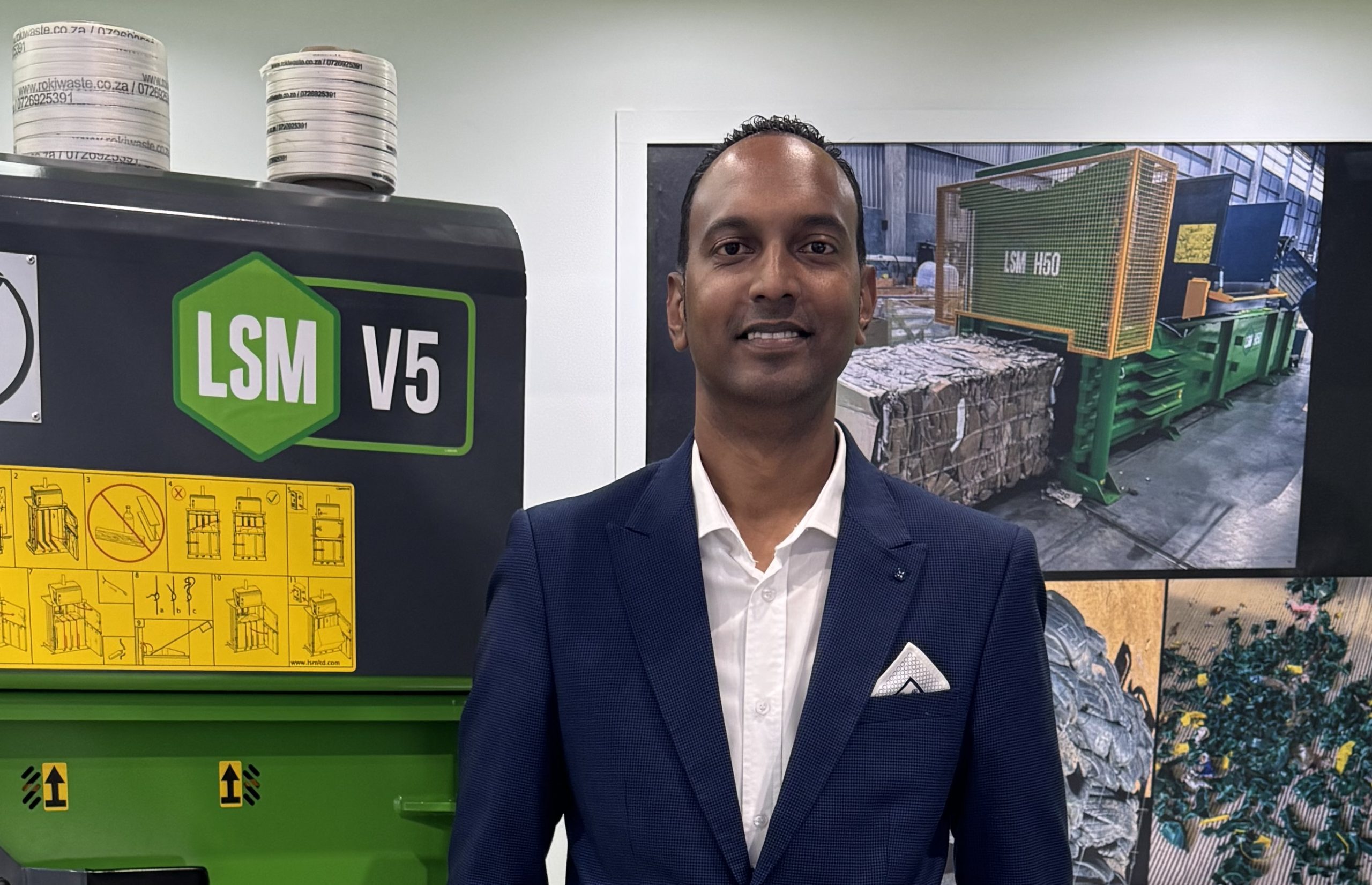
According to Peter Ezra, Managing Director of Rokiwaste, this means that the country is primarily looking for changemakers from business and industry. Rokiwaste is a waste-equipment and engineering solutions company that specialises in waste minimisation technology and recycling infrastructure, serving a wide range of industries nationwide.
Ezra says, “Despite the inefficiencies and the range of high risks for businesses sending all or most of their unmanaged waste to landfills, we don’t see many businesses getting strategic, innovative and smart about their waste management. Very little substance has shifted over decades, and that’s why 2026 needs to be a see change year.
Innovation in operational waste handling has been slower than the challenges demand. On the ground, we are still seeing the same old approach of wheeling bins into the smallest backdoor space possible, instead of designing smarter systems for resource recovery and efficiency. There seems still to be little executive-level thought given to risks and resilience, resource recovery and revenue generation when it comes to waste management. This is what needs to change, and this is the time for the turning point towards smarter solutions that empower businesses to become more proactive about their waste.”
Customised, engineered waste minimisation solutions, such as Rokiwaste’s ‘green monster’ – a 50-tonne automatic baler, professionalise onsite waste management operations while delivering measurable cost and space savings, and helping businesses become EPR-compliant. Diverting waste to recycling more efficiently, recovering previously untapped resources, reducing waste transportation costs and collecting up-to-date, accurate data on waste all become easier, ensuring a clear return on investment.
The way forward
South Africa’s peers are simply doing better in waste management because they are embracing latest data-driven, customised solutions while so many South African businesses are still sending the truck to the overwhelmed landfill, hence missing potential opportunities.
As Ezra points out, it doesn’t have to be this way because the expertise is already on hand and the homegrown, innovative solutions are readily available. He says, “What we have seen over the past years, is significant investment from global companies in South African waste management businesses. They have clearly seen the potential for South Africa to finally step up and align more to global standards. This brings a certain momentum to the sector at this time, and a sharper focus on waste minimisation businesses that do innovate and engineer customised solutions that optimise resources recovery and overall efficiencies.
“Data generated by smart solutions is key, empowering our customers to make smarter data-driven decisions throughout their waste operations – from how much floor space is allocated and optimising logistics to compliance reporting and consumer messaging.”
For South African industry this means shifting waste management from the traditional fringes of business decision-making – handled reactively, budgeted last, and sometimes only addressed when compliance becomes unavoidable. But rising operating and transport costs, space constraints, and growing pressure on efficiency are forcing the change.
Ezra concludes, “What we see is greater interest in having a technical partner with a proven record of innovation to help companies improve or transform their waste handling systems with tailored equipment and actual engineering expertise. There’s pressure from all sides – from mounting environmental issues and concerned consumers to new investors seeking smarter solutions and broader adoption of global best practices.”
What needs to be addressed is the common misperception that innovative waste minimisation solutions are too expensive for our industries and businesses. Because these solutions radically improve efficiencies, they are cost-saving over time. In addition, we must factor in the high costs and real risks of not substantially improving waste minimisation rates, including the growing scale of environmental degradation that will impact on our grandchildren’s lives.
South African businesses have a clear choice: continue treating waste as an unavoidable cost buried at the back of operations or step up and make waste minimisation a strategic advantage. Under the constant pressures of rising costs and compliance demands, the motivation for businesses to act has never been greater.