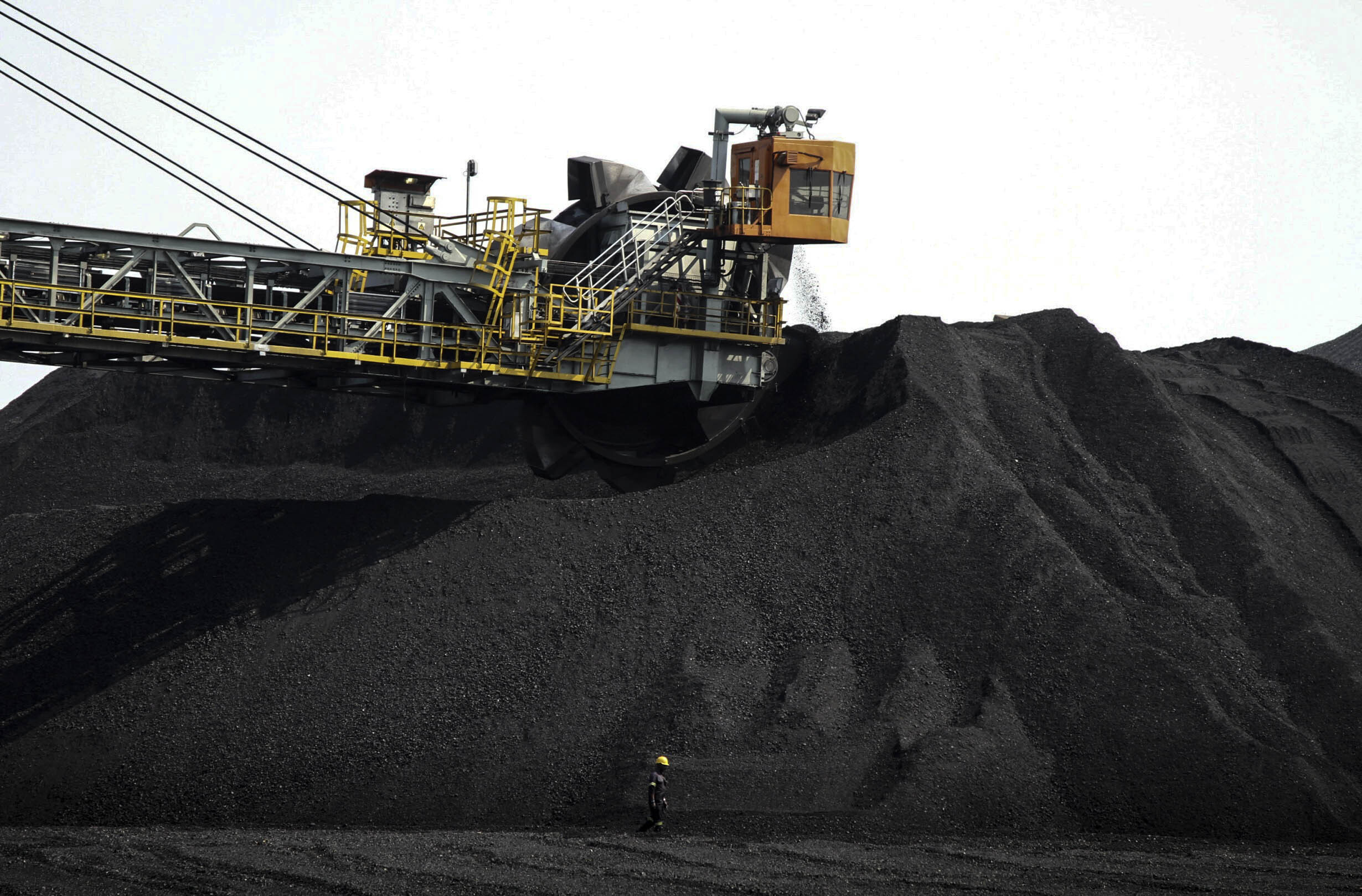
Global coal consumption appears to have reached its maximum level and is poised for a modest reduction in the coming years, driven by the expanding adoption of renewable energy sources and liquefied natural gas. According to the International Energy Agency, demand for coal worldwide is projected to increase by just half a percent in 2025, attaining a new high of 8.85 billion tonnes, before contracting by approximately three percent by 2030. This outlook reflects a broader shift in the energy landscape, where cleaner alternatives are increasingly displacing traditional fossil fuels in power generation and industrial applications.
The persistence of coal use in major developing economies has long complicated predictions of its peak, with robust demand in regions like Asia offsetting reductions elsewhere. Analysts note that while advanced nations continue to phase out coal-fired facilities in favour of solar, wind, and other sustainable options, the fuel’s role in baseload power remains significant in less affluent countries. The agency’s report highlights substantial uncertainties that could alter this path, including fluctuations in economic growth, technological advancements in energy storage, and geopolitical factors influencing fuel prices.
China’s influence on global coal trends cannot be overstated, as the country accounts for more than half of worldwide usage. The forecast anticipates a minor dip in Chinese demand over the next five years, yet this could reverse if renewable integration faces hurdles or if initiatives to convert coal into gas accelerate. Such projects, aimed at reducing air pollution while maintaining energy security, have gained traction amid efforts to diversify away from imported fuels, potentially sustaining coal’s relevance longer than anticipated.
In contrast, India’s coal consumption is expected to see the most substantial absolute growth through 2030, rising by around three percent annually to support rapid industrialisation and electrification. This expansion underscores the challenges of balancing economic development with environmental goals in emerging markets, where coal remains a cost-effective and abundant resource. As reported by the US Energy Information Administration, similar dynamics are at play in other parts of Asia, contributing to a plateau rather than a sharp drop in overall demand.
Meanwhile, in the United States, coal usage is set for a temporary resurgence, with an anticipated increase of about nine percent in 2025, primarily in the electricity sector. This uptick stems from elevated natural gas costs and delayed decommissioning of coal plants, bolstered by supportive government policies. It marks a brief interruption to a longstanding pattern of annual declines averaging six percent over the past 15 years, illustrating how policy interventions can extend the lifespan of legacy energy infrastructure.
According to BP‘s latest energy outlook, global coal production and trade are likely to mirror this demand trajectory, peaking in the latter part of the decade before tapering off. Market statistics indicate that thermal coal prices have stabilised around $120 per tonne in recent months, influenced by supply chain disruptions and varying import needs from key buyers. These figures suggest a maturing market where oversupply risks could emerge if demand weakens faster than expected.
Looking ahead, the gradual decline in coal reliance offers opportunities for investment in transition technologies, though it also poses risks for coal-dependent communities and economies. Enhanced international cooperation on carbon capture and clean coal innovations could mitigate some uncertainties, ensuring a smoother shift towards net-zero ambitions by mid-century.