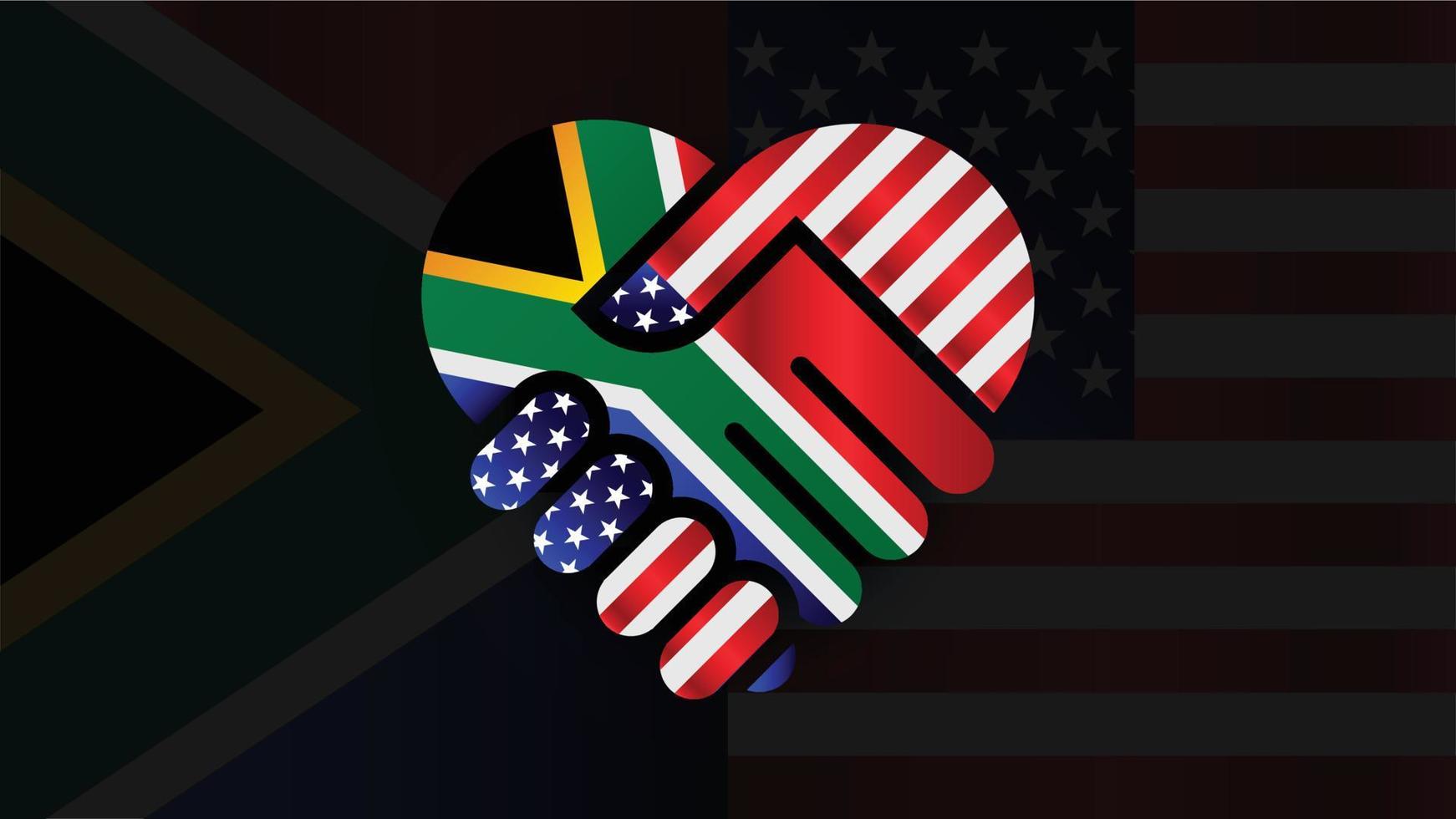
The business forum ahead of South Africa’s landmark G20 summit has showcased a vigorous American corporate presence, even as the United States government maintains its high-profile boycott, casting a long shadow over proceedings.
Held in Johannesburg as a prelude to the main leaders’ gathering on 22 and 23 November – the first time the bloc has convened on African soil – the event brought together executives from major US firms to deliberate on trade, investment and sustainable development. According to The New York Times, delegates from American multinationals dominated discussions on private-sector roles in bridging the global north-south divide, with panels emphasising opportunities in renewable energy and digital infrastructure for emerging markets.
Yet the atmosphere was tempered by the glaring absence of official Washington representation, following President Donald Trump’s abrupt announcement last week that no US officials would attend. Trump cited unsubstantiated claims of human rights abuses against white farmers in South Africa, a narrative that has echoed through his administration’s foreign policy rhetoric. This full boycott extends an earlier decision by Secretary of State Marco Rubio to skip a G20 foreign ministers’ meeting earlier in the year, underscoring deepening frictions over the host nation’s priorities of solidarity, equality and sustainability.
Adding a poignant voice to the fray, former South African Finance Minister Trevor Manuel, now chair of the G20’s expert panel on African development, decried the erosion of the post-Second World War framework that underpins institutions such as the World Bank and World Trade Organisation. He described this architecture – forged in the ashes of conflict to foster collective prosperity – as irreparably damaged, a view shaped by his decades steering South Africa’s economic reintegration into the global fold.
As reported by Reuters, Manuel’s panel is advancing proposals to alleviate Africa’s crippling debt burdens, where low-income nations face servicing costs of nearly $89 billion this year alone, despite lower overall indebtedness than wealthier peers. High borrowing rates, exacerbated by volatile international policies, have stifled growth across the continent, with 20 countries teetering on the brink of distress. The group urges G20 members to reform multilateral lenders like the International Monetary Fund to slash these prohibitive expenses, a push that could extend beyond the summit through partnerships with the African Union and United Nations bodies.
South Africa’s G20 presidency, assumed on 1 December 2024, has pivoted towards amplifying developing economies’ voices, including debt relief and climate adaptation funding – themes Trump has publicly dismissed. Analysts at IOL suggest the US disengagement, while diplomatically awkward, may embolden African hosts to forge bolder consensuses among the remaining 18 members plus the European Union and African Union, potentially yielding tangible commitments on green transitions and fiscal equity.
With the main summit looming, the business forum’s optimistic undertones clashed against these geopolitical undercurrents, highlighting a world order in flux. Corporate leaders, undeterred by official chill, signalled intent to deepen ties with Africa, eyeing its youthful demographics and resource wealth as hedges against global uncertainties.