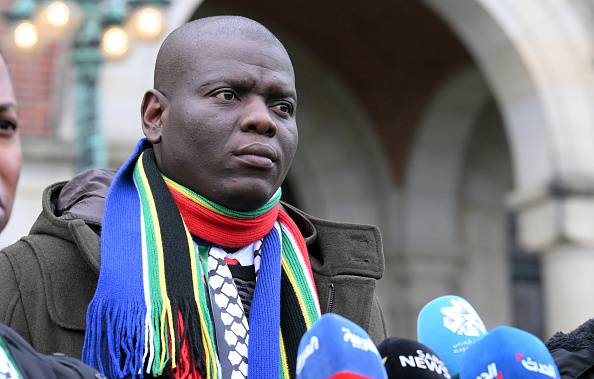
South Africa and Nigeria have agreed to cool a deepening diplomatic rift, following talks in Abuja between international relations minister Ronald Lamola and a high-level Nigerian delegation. The meeting, held as tensions between Africa’s two largest economies threatened to spiral, produced a joint commitment to tone down inflammatory rhetoric and avoid hostile actions between the two governments.
Lamola travelled to Abuja as President Cyril Ramaphosa’s special envoy, delivering a message aimed at restoring goodwill after weeks of anti-immigrant unrest unsettled relations with countries whose citizens live and work in South Africa. The trip followed a similar mission to Ghana days earlier, where Lamola met President John Mahama in Accra, part of a wider diplomatic repair effort across West Africa.
Three specific flashpoints dominated the Abuja discussions. The first was the installation, in March, of a man styling himself an “Igbo King” in the Eastern Cape, which added pressure to South Africa’s unresolved effort to formalise the constitutional status of traditional leadership. The second was the role of Nigerian nationals in organised crime, with Lamola citing figures showing more than 500 Nigerian citizens had passed through the South African criminal justice system as of 7 July. The third concerned hijacked buildings in Johannesburg’s Hillbrow and Pretoria’s Sunnyside, described as unlawful enclaves resistant to law enforcement.
| Indicator | Figure |
|---|---|
| SA exports to Nigeria (2025) | R7.88 billion |
| Nigeria’s imports from SA (2025) | R6.52 billion* |
| Nigeria’s imports from SA (2024, record high) | R6.93 billion* |
| Nigerian nationals in SA justice system (to 7 July) | 500+ |
| Nigerian returnees evacuated (first batch) | ~270 |
*Converted from naira at prevailing 2026 exchange rates.
South Africa’s diplomatic outreach comes against a backdrop of trade ties that have, somewhat paradoxically, strengthened even as political relations soured. Nigeria’s imports from South Africa rose to R1.89 billion in the first quarter of 2026, up from R1.53 billion a year earlier, making South Africa the country’s largest African import source in that period. Full-year 2025 figures came in slightly below 2024’s record, but both years dwarf import volumes from earlier in the decade, suggesting economic interdependence has, so far, absorbed the political shock better than either government’s rhetoric might imply.
That resilience has not stopped Nigeria from taking practical steps to protect its citizens. The government evacuated an initial group of roughly 270 Nigerians from Johannesburg after earlier expressing frustration with what it viewed as an inadequate South African response to attacks on Nigerian nationals. Ghana, separately, has floated referring South Africa to the African Union over similar concerns, adding a multilateral dimension to what began as a bilateral irritant.
Lamola told the Nigerian delegation that the arrests of Nigerian nationals reflected targeted, evidence-based policing rather than profiling of the broader community. Nigerian officials accepted the principle of accountability for offenders but pushed for due process and humane treatment of those detained, according to a statement from the department of international relations and co-operation. Both sides condemned xenophobia and agreed that public frustration over crime could never justify vigilante violence against foreign nationals.
Going forward, the two governments said they would pursue formal diplomatic channels and security co-operation to manage migration and safety concerns, rather than allow them to escalate further. Investigations into the Hillbrow and Sunnyside cases remain ongoing, with further arrests considered likely.
The Abuja meeting represents the second stop in a fortnight of shuttle diplomacy for Lamola, underscoring how seriously Pretoria now treats the reputational and economic risk of unchecked xenophobic sentiment among some of the continent’s most consequential trading partners.