
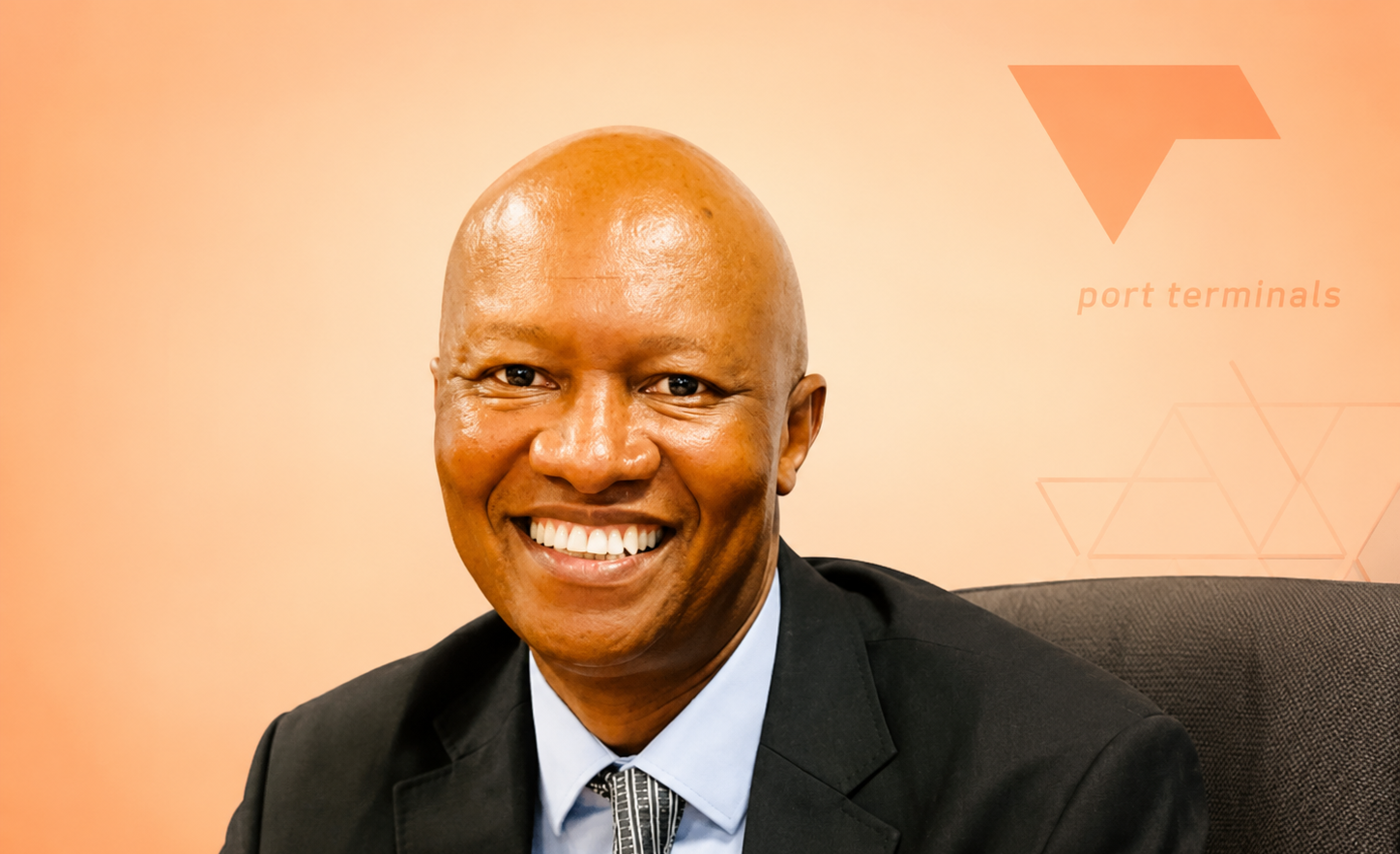
Transnet Port Terminals has barred seven companies from doing business with the state for a decade after forensic investigations by the Special Investigating Unit uncovered financial misconduct, bribery, theft of company assets, collusion and the submission of false information. Transnet Port Terminals chief executive Jabu Mdaki confirmed the ban, which prevents the affected firms from tendering for any public sector contract, not only those linked to Transnet, for the next ten years. The division has also opened disciplinary proceedings against staff accused of colluding with the blacklisted companies, days after four employees were suspended over similar allegations.
The action forms part of a slow-moving but persistent effort to hold suppliers and officials accountable for graft that hollowed out Transnet during the state capture years. The Zondo Commission named Transnet the primary site of looting linked to the Gupta family, estimating losses of more than R40 billion through inflated locomotive contracts, dubious advisory agreements and irregular procurement. Four former executives, including one-time group chief executive Brian Molefe, now face 32 charges brought by the Investigating Directorate Against Corruption over a rolling stock deal that saw costs balloon from roughly R38 billion to R54 billion.
READ – Transnet Secures R5.8bn Loan From France
Recovering that money has proved far harder than exposing it. Figures presented to Parliament’s public accounts committee show the SIU has referred contracts worth close to R57 billion for civil action, yet actual cash recovered so far totals just over R113 million, a fraction of the sums lost. Lawmakers have previously pressed the unit to move faster on blacklisting suppliers implicated in Transnet dealings, arguing that banning firms from future state contracts is one of the few consequences that lands promptly while criminal cases crawl through the courts.
| Indicator | Figure |
|---|---|
| Companies blacklisted this week | 7, banned for 10 years |
| Estimated state capture losses at Transnet | R40 billion+ |
| Value of contracts referred for civil recovery | R56.9 billion |
| Actual cash recovered to date | R113.6 million |
| Transnet’s accumulated debt | R121 billion |
| Transnet Port Terminals workforce | Approximately 8,300, across 15 terminals |
| Durban container terminal global efficiency rank (2022) | 341 of 348 ports |
The blacklisting also lands against a backdrop of operational recovery. Transnet group chief executive Michelle Phillips, appointed permanently in March 2024 after acting in the role, has focused capital spending on rehabilitating rail and port infrastructure, with the company reporting improved rail volumes and port handling records in recent months. Transnet Port Terminals itself has highlighted new ship-to-shore cranes at Durban and a R4 billion upgrade at the Saldanha Iron Ore Terminal as evidence of that turnaround. Even so, South Africa’s major container ports ranked among the least efficient globally as recently as 2022, a legacy partly attributed to the years of underinvestment and procurement abuse now under investigation.
READ – Private Sector Called to Revive Transnet’s Underutilised B-Network Lines
Separate SIU probes continue into Transnet’s use of transaction advisers McKinsey, Trillian and Regiments, a disputed interest rate swap arrangement with Nedbank valued at more than R2.7 billion, and a series of lease agreements dating back to 2014. Each has followed a similar pattern: forensic findings, referral for prosecution or civil recovery, and, increasingly, administrative consequences such as blacklisting once wrongdoing is established.
For the companies now barred, the practical effect extends well beyond Transnet. South Africa’s public sector procurement rules mean a blacklisting by one state entity typically excludes a firm from tendering across national, provincial and municipal government for its duration, a restriction intended to close off the pipeline of public money that fuelled the original looting. Whether that consequence proves a genuine deterrent, or simply the latest chapter in a recovery process still measured in fractions of what was lost, will depend on how many more such rulings follow.