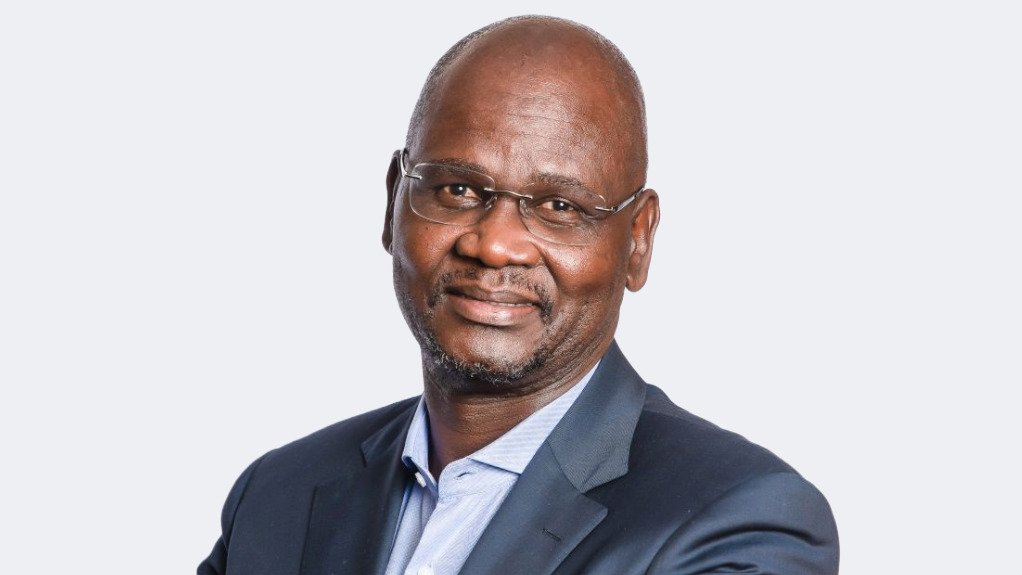
The deepening governance turmoil at South Africa’s Public Investment Corporation has prompted United Democratic Movement leader General Bantu Holomisa to implore President Cyril Ramaphosa and PIC chairperson Songezo Zibi for urgent intervention, as outlined in his open letter dated 29 October. Holomisa contends that the R3.5 trillion in public servants’ pensions under PIC management faces grave jeopardy from entrenched corruption, mismanagement, and political meddling—a crisis he equates in scale to the State Capture era.
He lambasts the failure to implement the Mpati Commission’s 2018 recommendations for bolstering transparency and fiduciary duties, particularly in the beleaguered unlisted investments arm and Isibaya Fund, according to the commission’s final report. Despite the inquiry unearthing systemic flaws—including politically influenced deals—the PIC persists in a pattern of administrative failures and unchecked plunder from executive levels downward.
A prime example is the 2013 Lanseria Airport investment, where Harith General Partners, alongside a black economic empowerment vehicle fully financed by a R350 million PIC loan to Acapulco Trade and Invest, acquired the facility, as detailed in Holomisa’s correspondence and UDM disclosures. Over a decade on, the loan has swelled to more than R600 million without repayment; rather than impair it, the PIC revalued the asset to R1 billion, seized shares as collateral, and inexplicably credited the BEE partner with a R400 million gain—effectively conjuring profit from a distressed holding.
Holomisa further flags a prospective R7.9 billion purchase of low-cost carrier FlySafair—nearly double its R3.9 billion fair value estimate—drawing parallels to the scuttled Karan Beef venture and forecasting colossal value erosion in aviation’s volatile landscape, per industry valuations cited in the letter. Internal strife compounds the peril: chief investment officer Kabelo Rikhotso’s October suspension amid factional battles and suspected interference, alongside former unlisted head Thabiso Moshikara’s July bribery charges involving R3 million.
The PIC’s additional R150 million infusion into loss-making Daybreak Foods—despite its May business rescue—exemplifies oversight lapses, with cumulative exposure exceeding R1.4 billion since 2015, as reported by Moneyweb. Holomisa decries the board’s inadequacy, bereft of chartered accountants or seasoned investors, and queries Finance Minister Enoch Godongwana’s endorsement of an allegedly underqualified appointee, Mr Maseko.
Major banks stand accused of steering the PIC into high-risk positions while securing safer tranches for themselves, evading accountability via internal firewalls—one institution particularly prominent, according to the UDM analysis. With Isibaya Fund’s loss ratio surpassing thirty-nine per cent, Holomisa brands it outright criminal, masquerading as empowerment.
His blueprint demands Standing Committee on Public Accounts scrutiny of PIC and Government Employees Pension Fund leaders; Auditor-General and Special Investigating Unit probes into Isibaya; board overhaul for independence; quarterly investment disclosures; performance-tied remuneration; and a freeze on Isibaya activities, potentially reallocating its mandate to the Development Bank of Southern Africa or Industrial Development Corporation.
The PIC, Africa’s largest single-asset manager with over R3 trillion under stewardship as of March 2025—including for 1.3 million GEPF members—boasts strong returns yet battles scandal’s shadow, per its integrated annual report. As the Government Employees Pension Fund rebuts the claims, Holomisa insists reform is imperative to avert a patronage playground imperilling workers’ retirements.