

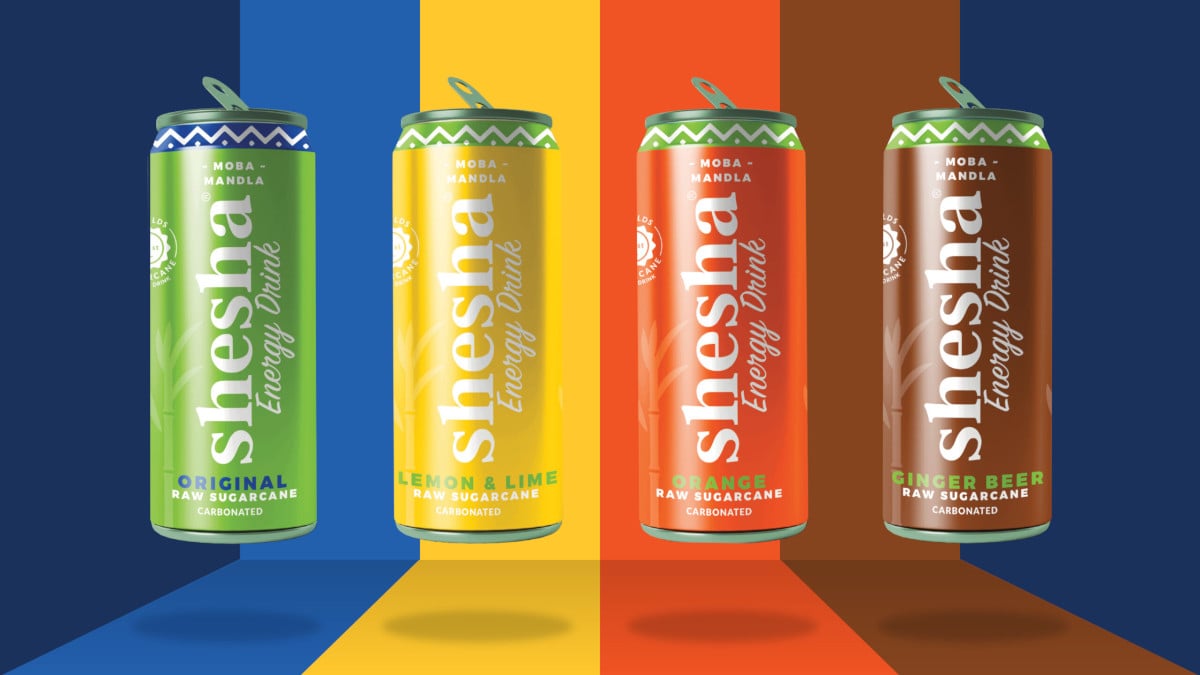
The South African sugarcane industry, long battered by erratic weather, import pressures, and fiscal burdens, is charting a fresh path through innovation with the nationwide rollout of Shesha, a pioneering energy drink crafted directly from raw cane juice. This venture, spearheaded by SA Canegrowers, sidesteps refined sugars entirely, tapping into the crop’s innate vitality to deliver a naturally invigorating beverage. According to Business Report, the product—produced and canned in KwaZulu-Natal—marks a global first, blending hand-harvested stalks under sustainable protocols to yield a fortified tonic brimming with antioxidants, vitamins, and minerals, while halving the caffeine content of typical rivals.
Launched amid a surge in consumer demand for mindful alternatives, Shesha arrives in four flavours—original, lemon and lime, orange, and ginger beer—positioning itself against behemoths like Monster and Red Bull, whose South African roots trace back to entrepreneurs Rodney Sacks and Hilton Schlosberg. Higgins Mdluli, chairperson of SA Canegrowers, which represents 24,000 small-scale and 1,200 large-scale producers as the sole shareholder, emphasised the drink’s role in recirculating earnings to growers rather than distant stakeholders, fostering rural upliftment in KwaZulu-Natal and Mpumalanga. As reported by Bizcommunity, this grassroots model empowers cooperatives like Vukani, where women-led teams handle marketing and distribution in underserved areas, transforming a beleaguered crop into a beacon of economic resilience.
The timing could not be more poignant for an industry reeling from multifaceted woes. Adverse climate events have slashed yields by up to 25 per cent over the past decade, while cheap inflows from Eswatini and Brazil erode local revenues by an estimated R6,000 per displaced tonne, per SA Canegrowers analyses. Diversification efforts, enshrined in the South African Sugar Value Chain Master Plan to 2030, now pivot towards by-products like bioethanol, sustainable aviation fuels, and biopolymers—mirroring successes in Brazil and India, where policy incentives have fortified sugarcane as a multifaceted powerhouse. Farmers Weekly outlines how phase two of the plan, focusing on green industrialisation, could unlock billions in new streams, provided regulatory hurdles ease, including block exemptions for collaborative ventures that sidestep antitrust pitfalls.
Central to these pressures is the Health Promotion Levy, or sugar tax, imposed since 2018 at 2.21 cents per gram beyond a 4g per 100ml threshold, which has siphoned R1.2 billion from the sector and imperilled 300,000 livelihoods, according to South African Sugar Association chief executive Sifiso Mhlaba. Though Finance Minister Enoch Godongwana has deferred hikes through 2025, granting vital breathing room, the levy has catalysed reformulations—slashing sugar purchases by 29 per cent in the first year, as evidenced by The Lancet Planetary Health studies—yet industry voices decry its disproportionate toll on jobs without commensurate health reinvestments. Mhlaba advocates a five-year moratorium to align with master plan goals, arguing pragmatic pauses could avert further mill closures and bolster export competitiveness under the African Continental Free Trade Area.
For growers like Kiki Mzoneli, a fourth-generation farmer from Groutville in KwaZulu-Natal, Shesha embodies ancestral fortitude reborn through ingenuity. After enduring droughts, civil unrest, and tariff skirmishes, she views the drink as a conduit for generational equity, sharing the cane’s nutritional legacy—rich in electrolytes and low on additives—with urban palates via e-commerce giants like Takealot and Makro. African Farming highlights how such initiatives dovetail with the Sustainable Sugarcane Farm Management System, ensuring ethical harvesting that preserves biodiversity while generating indirect employment in processing and logistics.
Shesha’s debut also spotlights a maturing local energy drinks scene, where homegrown challengers like DJ Sbu’s MoFaya, Slayer, and Alternative Power’s Switch—exported to nine nations—signal appetites for culturally resonant options. With ambitions for international shelves, SA Canegrowers envisions Shesha as a scalable prototype, potentially fuelling investments in co-generated electricity from bagasse residues or ethanol blending mandates to offset fuel shortages. As ChiniMandi reports, the product’s 50 per cent caffeine reduction and natural fortification resonate with global wellness trends, where the functional beverage market is projected to swell by 7.5 per cent annually through 2030.
In a landscape where sugarcane once symbolised colonial exploitation, this pivot reframes it as a vessel for sovereignty and sustainability. By channelling innovation through collective ownership, the industry not only hedges against volatility but also weaves cane’s “generational secret”—its wholesome essence—into the fabric of modern commerce. As the medium-term budget looms, Shesha stands as a testament to what targeted diversification can yield: not just a sip of energy, but a surge of possibility for South Africa’s rural heartlands.