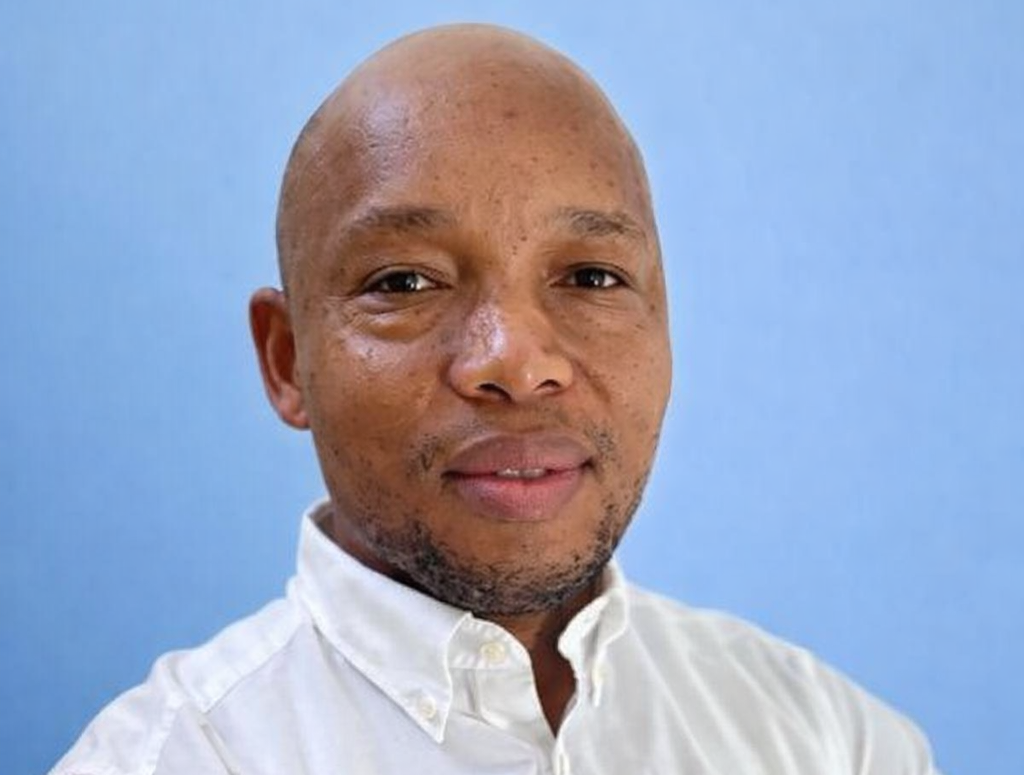
When Mohau Modise, newly appointed Director of Commercial Operations at Philip Morris South Africa (PMSA), walks into a boardroom, he brings more than a title, he brings the perspective of the people closest to the consumer – the sales representative in a remote town or the retailer opening their kiosk at dawn.
“I started on the ground,” he says. “My role in those big boardrooms is to represent the last man and woman standing in front of the consumer.”
Built, not fast-tracked
Modise began his career in 2004 as a field sales representative and rose through the ranks across major FMCG businesses including SABMiller, Brandhouse Beverages and Heineken South Africa before moving into executive leadership.
Crucially, his early roles placed him in mining towns and underserved regions, environments that demanded resilience, adaptability and an intimate understanding of people and places.
“Working across regions and districts gave me a perspective many leaders never get,” he explains. “You understand execution differently when you’ve lived it, when you know what it means to drive hundreds of kilometres, operate alone and still be accountable for results.”
Those formative years shaped his belief that strategy without execution is meaningless and that people, not PowerPoint slides, deliver outcomes.
From beer to tobacco, navigating complexity
After nearly two decades in beverages, specifically beer, Modise made the move into the tobacco sector, a transition that required recalibration.
“In FMCG, especially beverages, you fight for space every single day,” he says. “In tobacco, the regulatory environment is far more restrictive. What surprised me was how disciplined the industry has had to be in order to operate within those constraints.”
That discipline, he believes, can sometimes come at a cost.
“As an organisation, you can miss opportunities if you don’t continue innovating. The challenge is learning to do so in a restrictive regulatory environment.”
It is a balance Modise now navigates daily, particularly as Philip Morris International (PMI) advances its smoke-free vision amid ongoing policy debates in South Africa.
Smoke-free ambition, commercial reality
For Modise, PMI’s ambition to move towards a smoke-free future is not theoretical, it is both strategic and deeply personal. The company’s 2030 vision to become a substantially smoke-free business was a defining factor in his decision to join.
“I grew up with parents who used nicotine. My father smoked, and my mother has used snuff for all of my adult life,” he says. “At a time when better, smoke-free alternatives were simply not available to adult users, they had limited options. That’s why this transition matters to me — not just professionally, but personally. It’s about ensuring that today’s adult smokers and nicotine users have access to smoke-free alternatives that, while not risk free as they contain nicotine which is addictive, are a better choice than continued smoking, and a real pathway toward a smoke-free future.
From a commercial perspective, he is pragmatic about the realities. Regulatory differentiation between combustible products and smoke-free alternatives, he argues, is critical not only for public health outcomes, but for creating a viable, sustainable retail ecosystem.
“If differentiation is done right, retailers gain an opportunity to protect margins and build legitimate growth,” he explains. “But accessibility and education must be handled responsibly. This is not about overnight wins.”
Illicit trade remains a significant challenge, particularly for price-sensitive consumers. Yet Modise is confident that PMI’s smoke-free product portfolio, investment in retail partnerships and long-term approach position the company strongly.
“I say this with conviction: no one can compete with PMI on what these products represent — a science‑based alternative with the potential to reduce harm for adult smokers who would otherwise smoke.”
Leadership rooted in people
Ask Modise how he defines his leadership style, and he doesn’t hesitate.
“Inclusive. Collective. Decisive when needed.”
He believes strongly in shared accountability where teams co-own results while recognising that leadership sometimes requires making hard calls.
“You have to appeal to people’s hearts first,” he says. “If someone believes in the vision, they’ll go further than any instruction manual can take them.”
This philosophy is particularly important in commercial roles, where employees often operate independently, without daily supervision.
“They wake up alone. No one is watching. Compassion, empathy and trust are not soft skills, they are essential.”
PMI, top employer / employer that cares
One of the defining factors in Modise’s decision to join PMSA, he says, was hearing how the organisation supported its people during the COVID-19 lockdowns.
“I heard stories of employees receiving food deliveries, emotional support, and full pay — even when the future was completely uncertain,” he recalls. “That told me everything I needed to know about this organisation.” For Modise, this human-centred approach aligns with his own values and reinforces his belief that sustainable performance and compassion are not mutually exclusive.
Home, heritage and legacy
Away from work, Modise is unequivocal about what matters most.
“My children are everything,” he says. “I show up for homework, school events, bedtime. I don’t know who I was before kids.”
Raised in a small town, Modise once believed the height of success was becoming a policeman, a symbol of stability and respect in his community. That grounding still shapes him.
“I could never have imagined sitting here today,” he reflects. “And that’s why I care so deeply about creating opportunities for others.”
When asked about legacy, his answer is measured but firm.
“I want to be remembered as someone who stood for people, progress and purpose. Not just at PMI, but in the industry.”
For a leader who began his journey far from the boardroom, it is a fitting ambition and one that continues to guide every decision he makes.