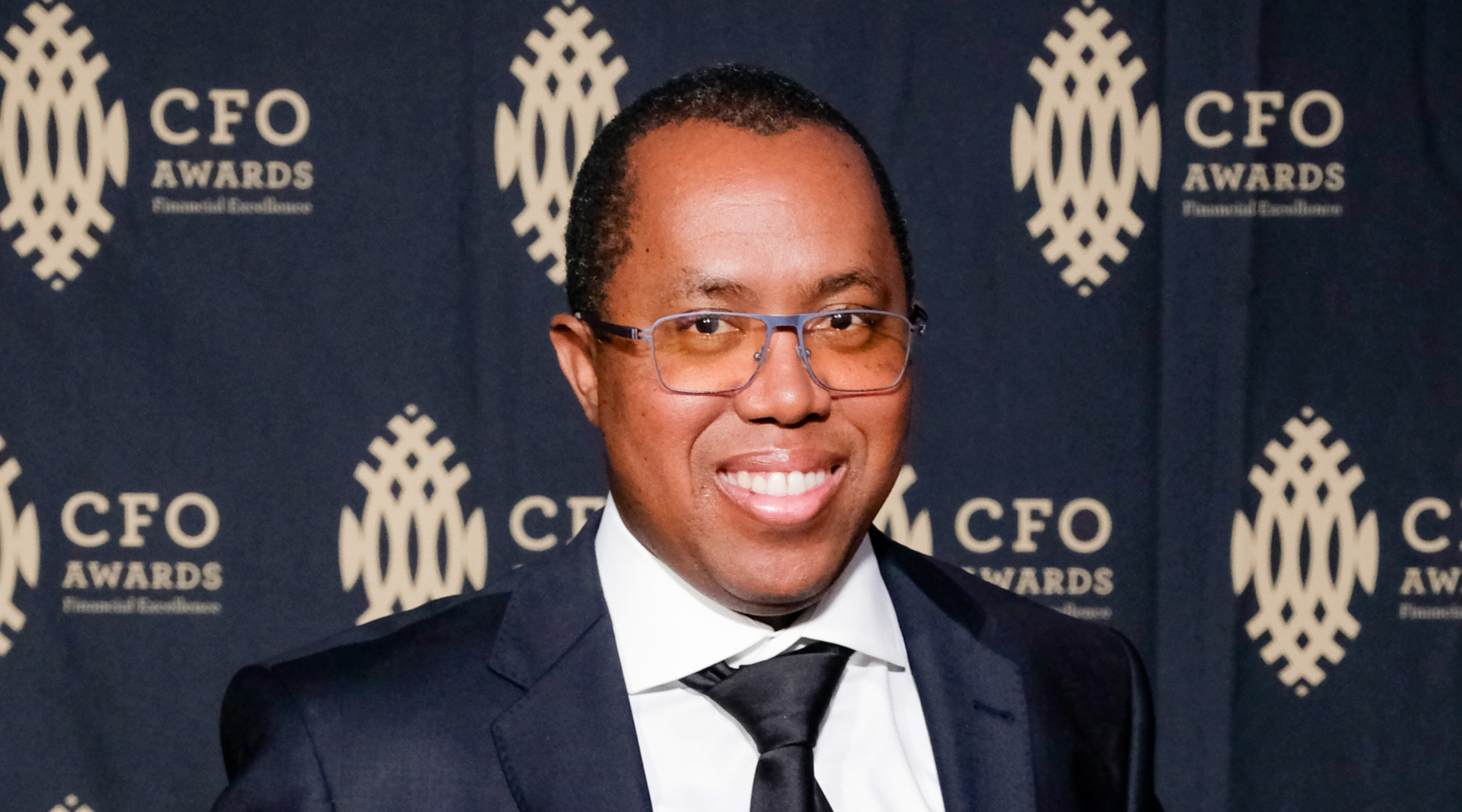
Industrial Development Corporation chief financial officer Isaac Malevu has resigned and will leave at the end of November after almost six years in the role, a week after the development finance institution reported a R4.65bn group loss for the year to March and two weeks after it restated its 2025 accounts. The IDC said he is returning to the private sector.
The departure follows an audit in which joint auditors BDO and Deloitte identified deficiencies in financial reporting controls and found that the statements submitted for auditing had not been fully prepared in accordance with the framework prescribed by the Public Finance Management Act. Corrections were required before the auditors would sign off. The IDC has said it identified the underlying errors itself, and that they related to the valuation of unlisted assets.
Two restatements followed. Mining rights held by Adelaide Ruiters Mining and Exploration, carried at R10.9bn at February 2024, were reassessed at R438m after a detailed feasibility study, producing a R2.6bn impairment against the IDC’s 25% stake. A separate consolidation error at Foskor left R3.2bn in preference shares improperly accounted for, understating investment securities and retained income by that amount in prior periods.
The loss is a group outcome rather than a failure of the lending business. The core company remained profitable, with revenue of R15.8bn and operating profit of R384m, but a R1.8bn loss from companies in which the IDC holds minority stakes, combined with a R3.1bn tax charge, pushed the consolidated result into deficit. The prior year’s R329m profit was itself restated, and the 2024 result was R7.5bn.
Subsidiaries did most of the damage. Foskor, in which the IDC holds 59%, lost R2.8bn after roughly six weeks of lost production caused by mine flooding in which two workers died. The closure of the Strait of Hormuz then drove sulphur and ammonia prices sharply higher, making a restart commercially unviable. The Mozal aluminium smelter in Mozambique was placed on care and maintenance after the IDC failed to secure a workable electricity supply agreement.
Operating indicators moved the other way. The company debt-to-equity ratio improved to 47.7% and non-performing loans fell to 35.1%. The corporation disbursed about R17bn in funding and mobilised a further R28bn from co-funders, investments it expects to support 71,228 jobs.
Chief executive Mmakgoshi Lekhethe has said the IDC is examining bringing private sector investors in as equity partners for the first time in its 86-year history, while preserving the state’s strategic position. It has separately approached the National Treasury for an explicit government guarantee to lower its credit risk, and for tax relief comparable to that granted to the Development Bank of Southern Africa. The IDC currently applies a doubtful debt allowance of between 25% and 40% for income tax purposes.
Demands on the balance sheet continue to grow. The corporation has put more than R2bn into ArcelorMittal South Africa, with a KPMG due diligence completed and a decision on further support pending, and R2.5bn into Tongaat Hulett to avert liquidation, with more funding signalled.
Trade, industry and competition minister Parks Tau wrote in the annual report that the IDC’s pipeline had been weighted towards large, complex transactions offering limited short-term developmental returns, contributing to uneven progress against impact indicators. No successor has been named.