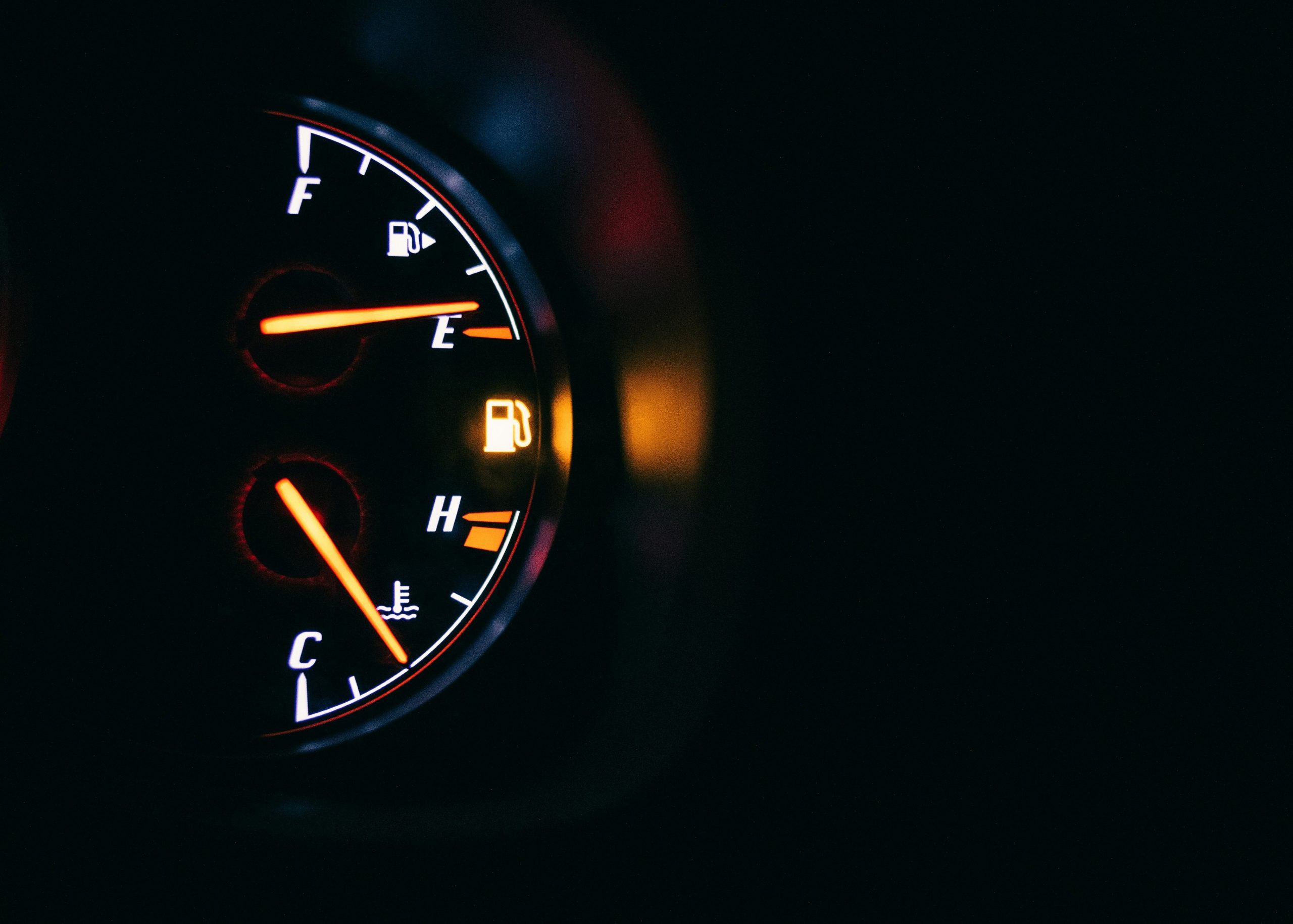
South African organisations are undergoing the most severe fuel price shock in recent years driven by the Strait of Hormuz crisis and the Iran-US-Israel conflict. Despite this week’s decreases, different grades of fuel are still R4 to R6 higher than what they were in March 2026.
The return of the fuel price to previous levels lies not in the oil markets but in government policy. The CEO of MasterDrive, Eugene Herbert, explains: “The temporary general fuel levy relief introduced in April is being reinstated in stages. Half the relief was removed in June, the remainder in July. The full levy will return regardless of international oil prices.
“Compounding matters is the slate levy deficit, currently sitting over R18 billion. When oil prices spike suddenly, the regulated pump price can fall below what it actually costs to import and deliver fuel. That shortfall is recorded on the slate and recouped from motorists gradually. Even if tensions in the Middle East stabilise, prices are unlikely to return to late-2025 levels for up to a year.”
For organisations running fleets, this is not a temporary inconvenience but a new operating reality that demands a permanent response. “Fuel is consistently the single largest variable cost in fleet operations, accounting for between 30% and 60% of total fleet operating expenses depending on fleet type. For transport-intensive businesses, that figure translates directly to margin erosion which is precisely what makes the current environment so damaging,” says Herbert.
The good news is that a meaningful portion of fuel spend remains within an organisation’s control. Three interventions consistently deliver the greatest measurable returns:
- Driver behaviour: is the most impactful lever. Speeding and rapid acceleration alone reduce fuel economy by up to 20% at highway speeds and more in stop-start conditions. Eco-driver training programmes report reductions in annual fuel consumption of between 5% and 20%.
- Telematics: makes driver behaviour measurable and therefore manageable. Telematics systems have achieved an average 15% reduction in fuel costs, rising to 20% when paired with AI-powered dashcams. A 2023 ridesharing industry case study found that reducing idle time from 20% to just 5% through fleet management software saved approximately US$2 million (approximately R38 million) annually.
- Route optimisation: this software analyses traffic conditions, road gradient, load weight and stop patterns to consistently deliver fuel savings of between 10% and 15% by eliminating unnecessary kilometres and reducing time in congestion.
With pump prices unlikely to offer significant relief in the near term, the case for acting on these levers has never been stronger. “MasterDrive employee’s driving a company car adheres to these interventions and applies them religiously so that we reduce unnecessary fuel consumption.
“Ultimately, the organisations that treat this period as an opportunity to build lasting fuel discipline, rather than waiting for a market recovery, will see a cost advantage when prices normalise,” says Herbert.