As winter approaches, many businesses face a familiar challenge: a rise in colds, flu and other respiratory infections among employees. These spread easily in shared indoor spaces, leading to more sick days, disrupted operations and a drop in productivity, placing strain on already stretched teams. This absenteeism costs South African businesses billions annually, with typical levels estimated between 3.5% and 6%, resulting in a major loss of productive time over a year.
And while winter absenteeism may seem inevitable, how ‘bugs’ circulate within a workplace is often influenced by everyday hygiene practices when people spend longer periods in close proximity, and ventilation is reduced.
“Good workplace hygiene may not eliminate absenteeism due to infectious illnesses, but it remains one of the simplest, most practical ways to reduce their spread,” says Jeffrey Madkins, Marketing Manager for Unilever Professional. “This is why public health guidance continues to recommend cleaning frequently touched surfaces and maintaining good hand hygiene to help prevent transmission.”
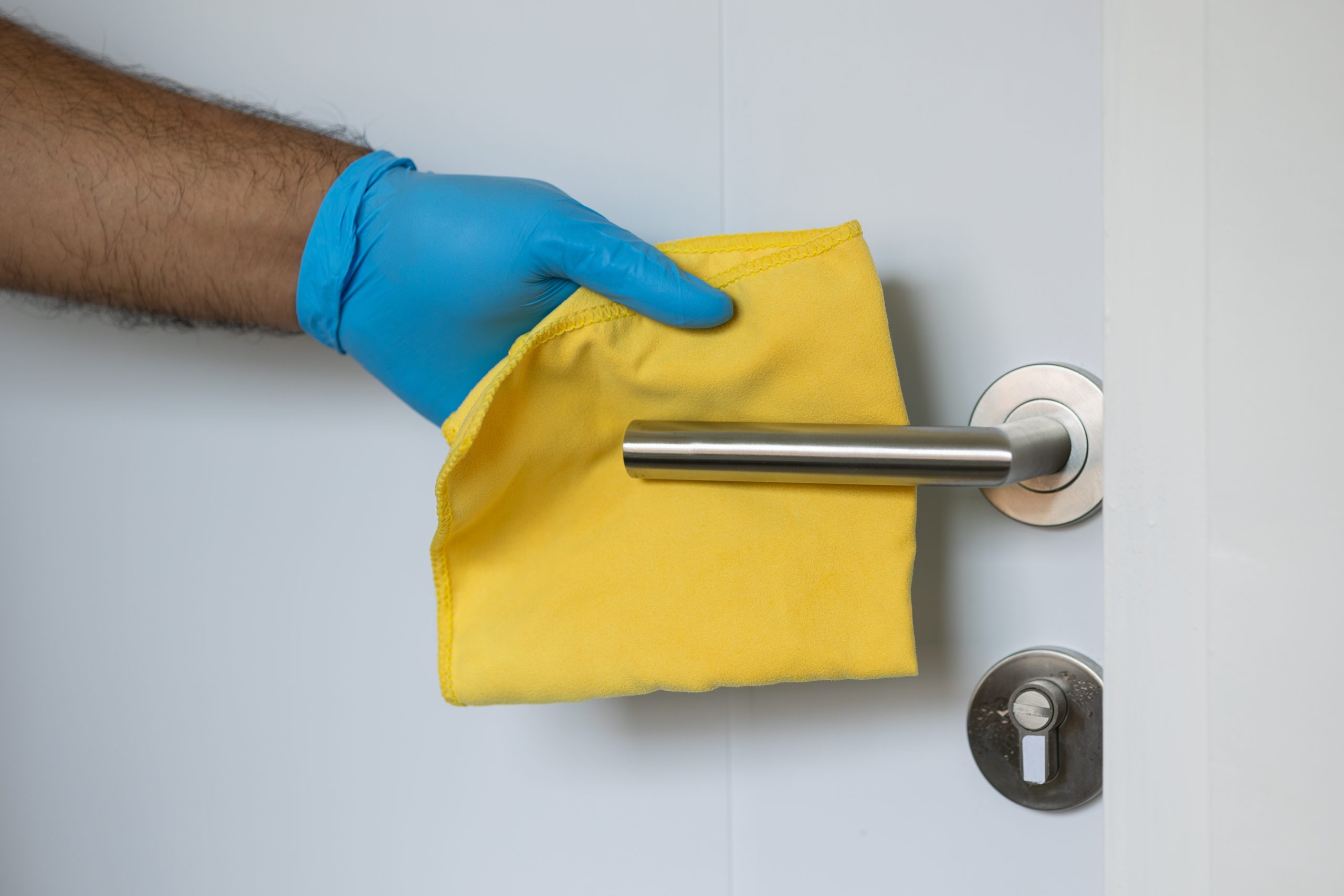
“During colder months, workplace environments naturally become higher-risk,” he adds. “People spend more time sharing air and frequently touched surfaces like door handles, kettle switches, microwave buttons, and taps. These accumulate bacteria, allowing germs to transfer between people. But there is another silent driver: presenteeism, when unwell employees come to work. One person pushing through Monday can quickly turn into multiple sick days across a team by Friday.”
Madkins notes that these risks are compounded for businesses that approach cleaning as a visual standard rather than an operational one. Those who manage it effectively recognise it as part of protecting productivity, not just appearance.
He outlines five workplace hygiene mistakes businesses should avoid this winter:
1. Treating winter cleaning like business as usual. The same cleaning schedule that worked in summer is unlikely to be sufficient during winter and peak business periods when employee illness risk increases. High-touch surfaces and shared areas, in particular, require multiple cleans daily during peak periods.
2. Targeting surface grime rather than germ hotspots. A workplace can look immaculate and still pose a hygiene risk. The surfaces that transmit illness most effectively are rarely the ones that look unclean. It’s items like lift buttons, shared equipment and devices, switches, phones, handles, counters, and card machines that require targeted attention.
3. Mistaking excess for effectiveness. One of the most persistent cleaning misconceptions is that more chemicals mean a better result. It does not. Overuse can leave residue and lead to wasted product and increased costs without making meaningful hygiene improvements. What actually matters is using the correct product, on the correct surface, at the correct dilution and frequency every time.
4. Overlooking the risks in communal spaces. Bathrooms, kitchens, canteens, reception areas and meeting rooms are key risk areas for germ circulation. This is not only due to frequent use, but because they’re used in quick succession throughout the day, often without cleaning in between.
5. Misjudging cleaning as a cost instead of risk management. When cleaning is treated purely as an overhead, it is often scaled back when budgets tighten. Instead, workplace hygiene should be seen as part of business continuity, particularly during peak illness periods.
“Winter workplace cleaning simply needs to be more targeted,” advises Madkins. “Increase cleaning where the risk is greatest, focus on high-touch areas, and ensure products are fit for purpose. That’s where the biggest difference is made and what separates a cleaning programme that protects a business from one that simply maintains appearances.”