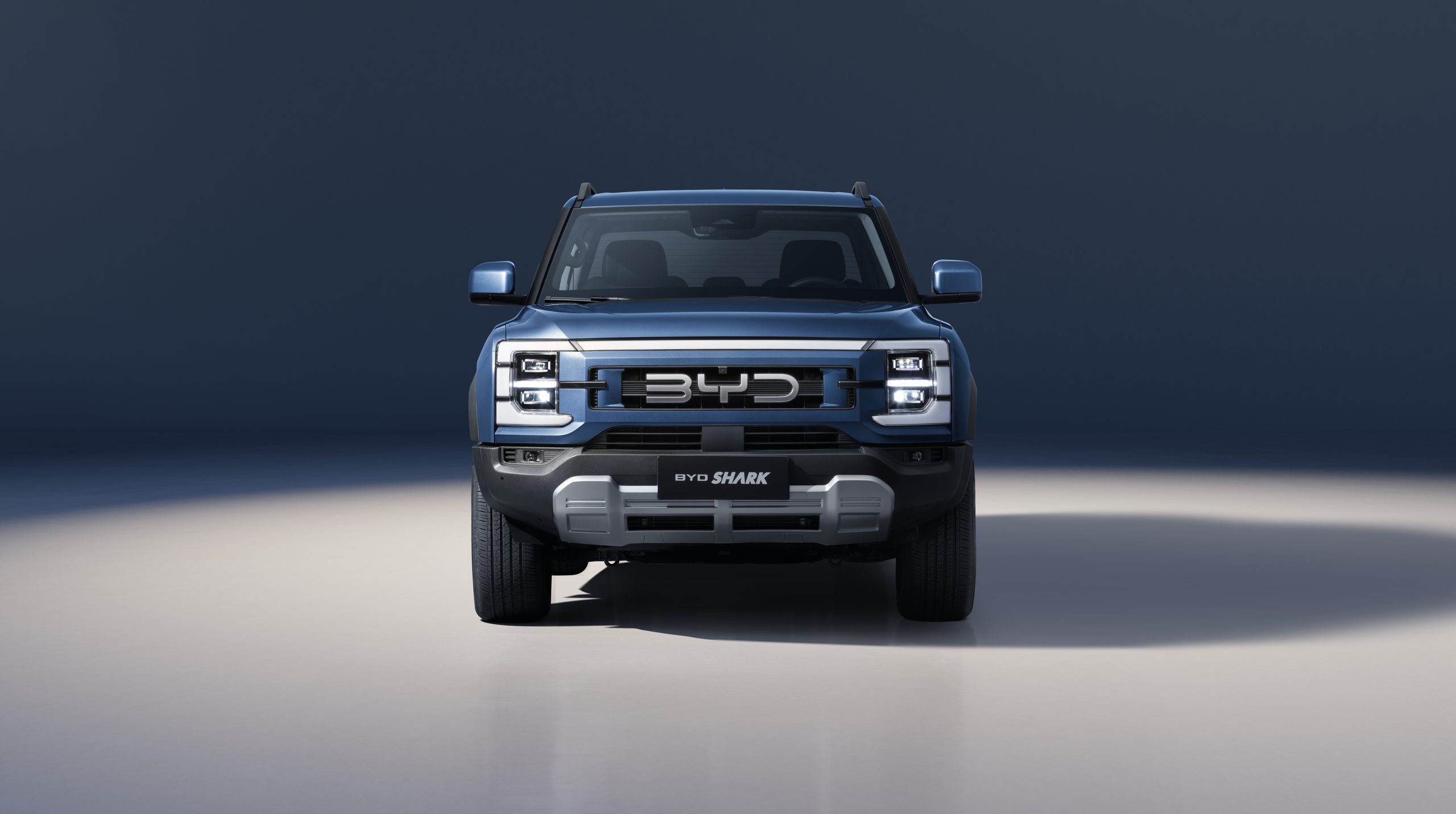
Combined Motor Holdings has warned that the rapid rise of Chinese and Indian vehicle brands in South Africa will face a critical test as larger volumes begin to filter into the used-car market.
In its annual results for the year to February 2026, chief executive Jebb McIntosh said these imported vehicles now account for about 55 per cent of local unit sales, reflecting a structural shift in consumer demand towards more affordable, feature-rich models.
Chinese brands alone have captured more than 17 per cent of the national market, while Indian imports have also gained ground, supported by competitive pricing and improved product quality.
The shift has reshaped dealership portfolios and accelerated the entry of new marques into the market.
However, CMH cautioned that long-term resale performance remains uncertain. While nearly new vehicles have held their value, the behaviour of five- to six-year-old models has yet to be tested at scale. This comes as used-vehicle volumes continue to rise, with CMH reporting growth of nearly 8 per cent, broadly in line with national trends.
Across the market, used-vehicle sales reached about 383,000 units in 2025, up 7 per cent year on year. Early Chinese models, including the Chery Tiggo 4 Pro, are already appearing among top-selling used vehicles, signalling growing acceptance but not yet a full test of residual values.
The expansion of imported brands is also reshaping the aftermarket. CMH’s parts division recorded a 65 per cent increase in profit, driven by early investment in components for these vehicles, positioning the group to benefit as the fleet matures.
The company has continued to adjust its dealership network, expanding multi-franchise sites and adding newer brands. Suzuki emerged as its top-selling marque, while Foton, Mahindra and Haval ranked among its leading volume contributors. This marks a shift away from traditional reliance on brands such as Nissan and Volvo, which have lost share.
South Africa’s new-vehicle market grew 17 per cent in 2025 to 565,929 units, exceeding pre-pandemic levels for the first time. Imports accounted for much of the increase, aided by a stronger rand and lower pricing, although this has placed pressure on domestic manufacturers.
Beyond retail, CMH reported solid contributions from its import and distribution businesses, particularly Foton light commercial vehicles. Further expansion in this segment is planned.
Adoption of new-energy vehicles remains limited, accounting for just 2.8 per cent of total sales, largely hybrids. High costs and limited charging infrastructure continue to constrain demand.
Group revenue rose 18.6 per cent to R15.7bn, while operating profit increased 17.1 per cent. Headline earnings per share climbed 33 per cent to 536.4 cents. Cash reserves strengthened to R1.15bn, supporting dividends and a share buyback. A final dividend of 222 cents per share was declared.
In the rental division, First Car Rental reported stable performance, with second-half gains supported by tourism and insurance demand, although margins remained under pressure.
CMH expects the new-vehicle market to grow by between 8 and 12 per cent in the year ahead, assuming stable economic conditions. It flagged risks including fuel price increases and global uncertainty, while noting that the next phase of market development will depend on how imported vehicles perform as they age and enter the used-car segment in greater numbers.