Pepkor Holdings, the Johannesburg Stock Exchange-listed powerhouse behind discount staples like PEP and Ackermans, has unveiled plans to storm South Africa’s burgeoning beauty sector, leveraging stellar 2025 financials to fuel expansion while decisively shuttering its underperforming Shoe City footwear chain. The move signals a sharpened focus on high-growth categories, with Ackermans set to introduce a comprehensive beauty line in the 2026 financial year, targeting the adult market’s evolving demands amid a private-label surge that now underpins over 31 per cent of front-shop sales at rivals like Clicks, where personal care private brands rose 20.5 per cent by mid-2025, according to Trade Intelligence. This strategic pivot comes as the South African cosmetics and personal care market swells to USD 3.97 billion in 2025, eyeing a 5.91 per cent compound annual growth rate through 2030, propelled by a burgeoning middle class, urbanisation and a tilt towards natural, affordable formulations that resonate with price-sensitive consumers.
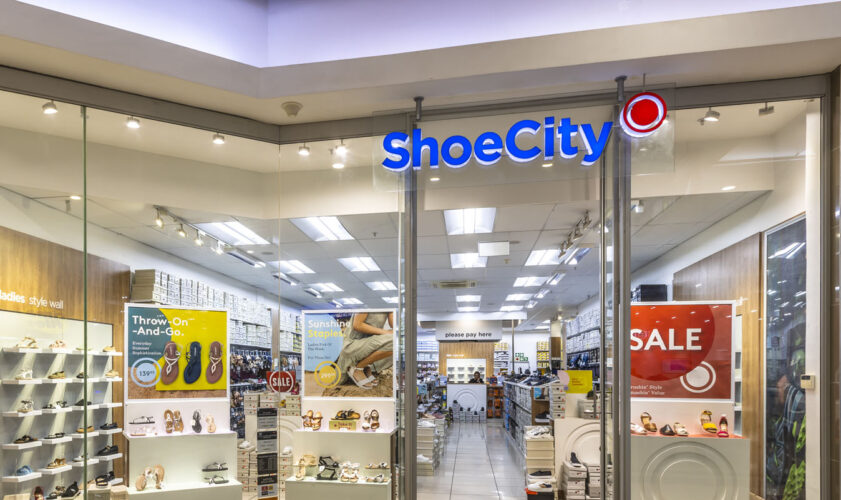
The decision to close Shoe City, which operates 86 stores and has struggled to scale in a footwear segment battered by e-commerce disruptions and shifting preferences, underscores Pepkor’s ruthless portfolio pruning. As reported by News24, the chain’s exit—slated for completion without a single job loss, as staff redeploy to the group’s sprawling 6,000-store empire—frees resources for more lucrative avenues, following a R2.7 billion impairment in 2024 that highlighted vulnerabilities in speciality formats like Tekkie Town. Pepkor’s core operations, however, remain a bulwark: group revenue climbed 12 per cent to R95.3 billion for the year ended 30 September 2025, with operating profit advancing 13.2 per cent to R11.1 billion and normalised headline earnings per share leaping 23.4 per cent to 161 cents, enabling a 9.2 per cent dividend hike to 53 cents per share. Merchandise sales rose 8.8 per cent, like-for-like growth hit 6.5 per cent, and the store footprint expanded 4.1 per cent, outpacing a retail market where consumer spending growth hovered at 2.5 per cent amid inflation pressures.
PEP, the group’s flagship with over 2,800 stores, drove 10.8 per cent sales growth through 95 net new outlets, capitalising on essentials like easy-manufacture apparel—T-shirts and shorts produced via partnerships with local suppliers equipped with group-funded machinery—to keep prices low and accessibility high. Ackermans, catering to middle-income families from 953 locations, posted 7.2 per cent sales uplift, recently venturing into menswear and now priming for beauty as a natural extension, where social media-driven trends favour inclusive products for diverse skin tones and hair types. The speciality division, encompassing lifestyle brands, advanced 8.3 per cent, while recent bolt-ons like Legit, Swagga and Style—adding 469 adultwear stores from November 2025—bolstered market share in a segment growing at 7.2 per cent.
Pepkor’s fintech arm emerged as the undisputed star, surging revenue 31.1 per cent to R16.6 billion and operating profit 52.3 per cent to R2.2 billion, with Flash—the informal trader platform—boosting throughput 23 per cent to R60 billion and tapped value 37.6 per cent to R21 billion across 170,000 users. This digital muscle, now fortified by the October 2025 acquisition of Cloudbadger for modern fintech software and Prudential Authority approval for banking entry, positions Pepkor to challenge incumbents in a R10 trillion assets banking landscape, embedding services like credit and telecoms into its retail ecosystem. Gross margins widened to 39.8 per cent, reflecting savvy sourcing and the two-pot retirement system’s early-2025 boost to disposable income for low earners.
Looking ahead, chief executive Pieter Erasmus outlined a data-informed roadmap emphasising acquisition integration, omnichannel enhancements and aggressive footprint growth, targeting 250 to 300 new stores in 2026 alone. This includes ramping up PAXI parcel services—leveraging the store network for e-commerce logistics—and localising production to counter import duties while supporting small manufacturers. In a beauty arena where online channels like Takealot are exploding at an 8.34 per cent compound annual growth rate to claim 10 per cent of turnover by 2025, Pepkor’s hybrid model—blending physical accessibility with digital convenience—could erode shelf space from national brands, much like its fintech foray has tapped underserved informal markets. With economic headwinds easing via anticipated rate cuts, Pepkor’s blend of affordability and innovation cements its role as a resilient force in South Africa’s value-driven retail tapestry, where everyday essentials meet aspirational indulgences.