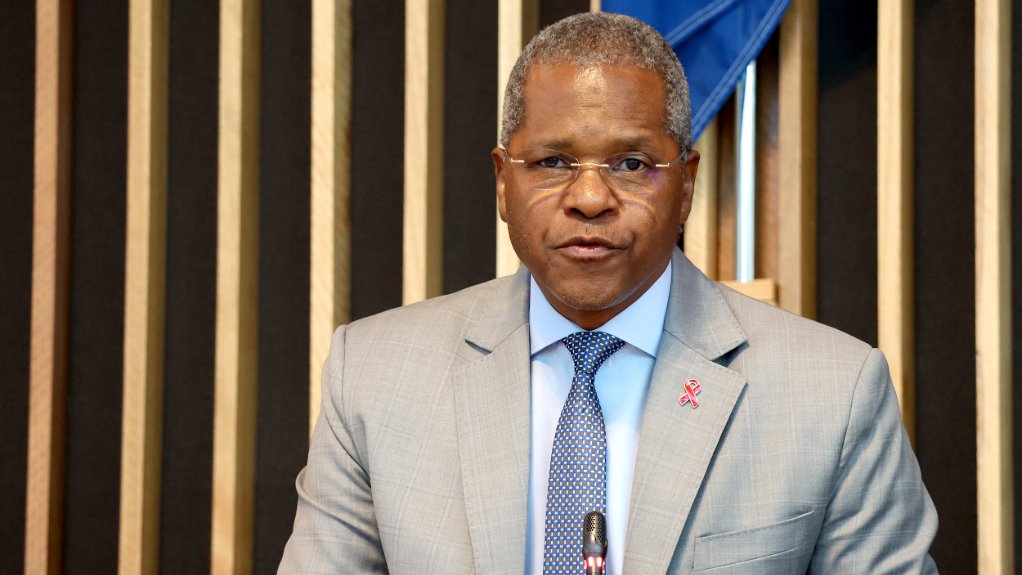
The South African government has committed R410.9 billion to local governance and service delivery programmes over the next three years, with 96.7% of funds directed to intergovernmental transfers. Cooperative Governance Minister Velenkosini Hlabisa announced the budget, emphasising its focus on underserved communities and tangible service improvements. A further R195.5 million was allocated to traditional affairs, including R46.9 million specifically for cultural and linguistic rights commissions, recognising traditional leaders’ role in social cohesion.
Key reforms include a comprehensive review of the 1998 Local Government White Paper to modernise municipal structures amid urbanisation and youth unemployment challenges. The review’s public consultation period has been extended to 31 July 2025 to broaden input from informal traders, women, and rural communities. Meanwhile, targeted interventions will address crises in 10 distressed municipalities through the District Development Model (DDM), which coordinates all government tiers to tackle regional challenges. Infrastructure grants feature prominently, with R493.8 million from the Municipal Infrastructure Grant (MIG) earmarked for priority projects, while R244.7 million shifts to urban development grants for growth areas.
The budget also introduces a municipal debt relief framework, developed with National Treasury, to improve financial sustainability. Minister Hlabisa stressed that breaking bureaucratic silos through the DDM and increasing the Municipal Systems Improvement Grant (from R151.1 million to R165.3 million by 2027/28) would strengthen planning and service delivery. “Our goal is a responsive local government system that delivers quality services to all,” he stated, framing the allocations as critical to addressing historical imbalances and building democratic resilience.