

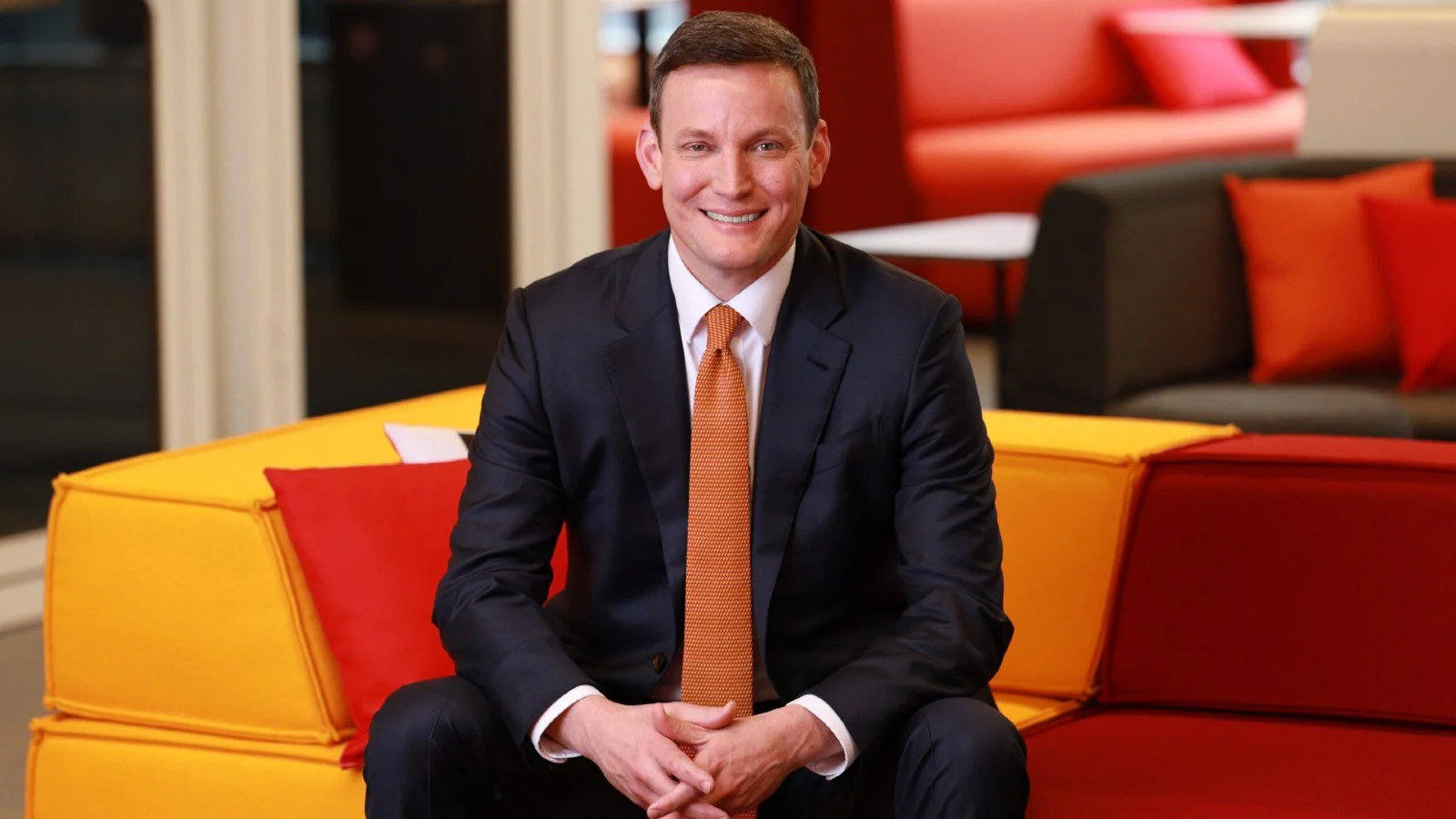
PwC’s US chief executive has issued a blunt warning to partners and staff: those who refuse to embrace artificial intelligence will have no future at the firm. Paul Griggs, who assumed the role in 2024, said that senior staff who remain paranoid about becoming AI-first are likely to be replaced by others who adopt the technology. He added that any employee who believes they can opt out of AI is not going to remain with the organisation for very long. The comments accompany a broader restructuring of PwC’s business model toward an AI-first operating model, with automation set to fundamentally transform how audit and consulting services are delivered.
The firm plans to convert some of its tax and consulting services into AI-powered tools that clients could access without a PwC person involved in the process, potentially through a paid annual subscription.
Central to this transformation is the recently launched PwC One platform, an AI-powered system that already offers several automated services to clients, including an anomaly detection tool capable of identifying flaws in a company’s sustainability data. The platform provides low-cost access to the firm’s expertise on mergers and acquisitions, due diligence, and tax rules. Griggs explained that offering these tools directly to clients means tax and consulting solutions can be accessed in the initial stages without direct human involvement from PwC staff. The firm has stated that users will see more services integrated into the PwC One platform in the coming months, with AI integration designed to amplify professional judgement rather than replace it, allowing PwC teams to focus more time on strategic insight and business decisions.
The implications for the traditional professional services model are significant. The Big Four firms – Deloitte, EY, KPMG and PwC – have historically relied on hiring junior staff to perform routine administrative tasks, a process that could be substantially disrupted by AI tools delivering services directly to clients without the need for additional human involvement. However, data suggests that large consulting firms are simultaneously benefiting from clients seeking help with AI implementation. According to research from K2 Consulting Research, global consulting grew by 5.5% in 2025, double the previous year’s growth rate, indicating that the sector as a whole is expanding even as individual roles within it evolve.
READ – Draft AI Policy Approved for Public Comment
Despite concerns over automation and potential job cuts, Griggs insisted that PwC’s employment strategy will remain that of a net acquirer of talent, even as AI changes working practices. In a company post about the future of professional services, he articulated the firm’s position on the balance between technology and human input, stating that AI raises the floor while humans raise the ceiling. He elaborated that technology can accelerate routine analysis and connect information in powerful ways, but judgement, which he defined as understanding context, interpreting signals, navigating ambiguity, and building trusted relationships, remains fundamentally human.
Consulting is widely considered one of the industries most likely to be transformed by the advancement of AI, given the technology’s ability to automate tasks such as accounting, research, and business problem analysis. Raj Abrol, founder and chief executive of Galytix, suggested that this evolution is inevitable, stating that AI is here to stay and that the sooner businesses recognise this fact, the better.
Abrol noted that the technology is set to bring sweeping changes to the way organisations manage risk and decision-making. Griggs framed the current moment as one defined by the accelerating pace of change, observing that AI is fundamentally transforming how insight is generated and how decisions are made. He described PwC One as a reflection of how the firm is evolving alongside that shift, combining advanced AI with the judgement, experience, and trust that clients rely on. The firm’s ambition, he said, is simple: to help clients move faster, see further ahead, and shape what comes next.