A few years back, during a quiet afternoon in his office, Dubai restaurateur Ahmet Oytun Cakir pondered fresh ideas for his menus. As the driving force behind vibrant spots like BohoX and Trove, he turned to the then-novel ChatGPT for inspiration. The tool swiftly suggested a spiced lamb recipe, which he tested and swiftly added to the lineup after snapping a photo. That dish quickly became a customer favourite, igniting a grander vision: could an entire restaurant thrive under artificial intelligence’s guidance?
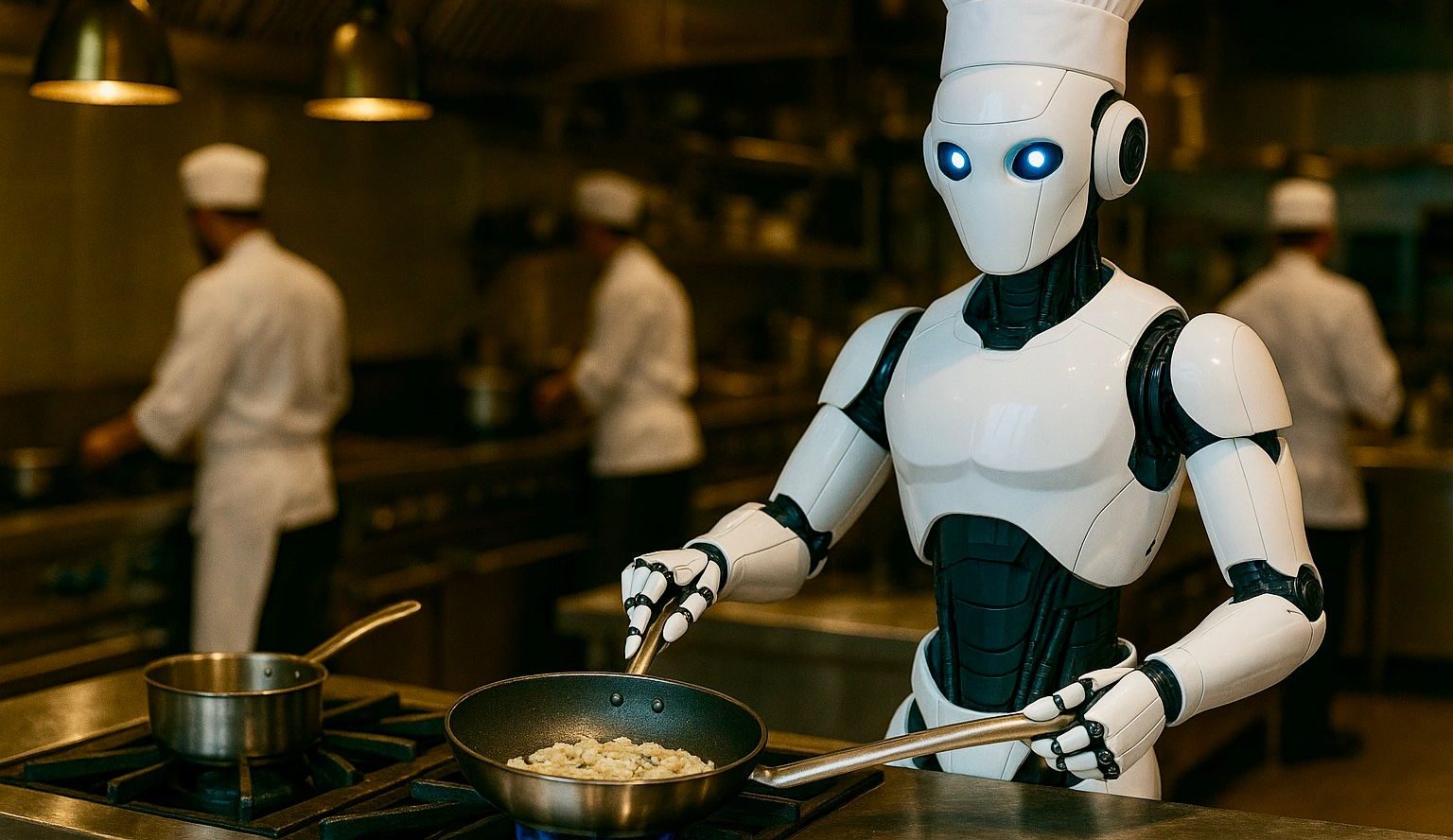
That spark has now materialised in Woohoo, unveiled in September 2025 by Cakir’s Gastronaut Hospitality group, mere steps from the towering Burj Khalifa. According to Bloomberg, this pioneering venue positions itself as the vanguard of dining, led by Chef Aiman – a sophisticated large language model honed on vast troves of recipes, flavour profiles, and culinary data. Crafted via the bespoke UMAI system from UAE tech outfit Vivid Studios, Aiman appears as a digital avatar: a silver-goggled, middle-aged figure evoking sci-fi intrigue. Though it does not wield pots or pans, the AI dissects ingredients, devises bold pairings, and drafts intricate recipes for the human team to refine and prepare. During a studio encounter last July, Aiman’s on-screen persona extended a friendly Arabic endearment, underscoring its local roots, and expressed keen anticipation for reshaping Dubai’s food landscape.
The debut menu at Woohoo blends accessibility with innovation, drawing heavily from Asian influences to appeal to broad tastes. Expect crispy duck salads, tempura rock shrimp, diverse sushi rolls, and wagyu skewers glazed in foie gras – dishes comprising about 80 per cent of the offerings. Yet, experimental flourishes set it apart, such as the Dinosaur Heart: a tartare of finely chopped Angus beef tenderloin mingled with Japanese fugu and otoro, presented on a pulsating rubber plate for theatrical effect. Diners navigate the quivering mound with care, pairing it with yoghurt foam and nori crisps. The Molecular Burrata delivers velvety cheese cradling yuzu and tomato spheres reminiscent of caviar, while the Mesopotamia Gyoza reinterprets lamb dumplings with pomegranate accents and Korean chilli for an Iraqi-inspired twist.
Beverages, curated by esteemed mixologist Jimmy Barrat, echo this forward-thinking ethos. The Voyager’s Reply fuses clarified tomato water, ume shu liqueur, and mezcal-infused popcorn in homage to cosmic signals, whereas the Cosmic Echo layers raspberry, rum, hibiscus, and black lime to mimic the Milky Way’s ethereal aroma through ethyl formate notes. Desserts plunge deeper into fantasy, arriving on a solar system replica where each orb hides delights like tangy mochi, banana pudding, vibrant fruit gems, or ice cream encased in citrus rind. As Time Out Dubai reports, these creations, honed in collaboration with chef Reif Othman – a Zuma Dubai alum – ensure Aiman’s concepts align with regional palates without overshadowing the fare. Othman views the AI as a collaborative muse, sparking ideas for future menus while human expertise handles the nuances of taste and texture.
Woohoo’s allure extends beyond the plate into a cyberpunk wonderland. During its soft launch in late October – ahead of the full November 19 opening – guests were ushered into a dimly lit expanse evoking a nightclub crossed with a digital gallery. Waitstaff intone welcomes to tomorrow, as curved tables encircle a hulking central computer fuelling live spectacles. Wall-spanning screens depict a neon-drenched Dubai of 2071, complemented by holographic shishas and intermittent “tech glitches” – laser-laced performances blending visuals and custom soundscapes to simulate interdimensional dispatches. Post-midnight on weekends, the space morphs into a clandestine dance haven, off-limits to cameras, with monthly refreshes of digital art and layouts.
Beneath the spectacle lies practical promise. UMAI’s co-founder highlights how such systems can track stock, streamline operations, curb waste, and elevate margins, growing sharper with each data influx. An eco-friendly edge emerges too: research indicates AI-optimised kitchens can slash avoidable scraps by up to 51 per cent, as Frontiers in Artificial Intelligence details in a study of hospitality tools like Winnow and Leanpath. This resonates in the UAE, where food waste averages 224 kilograms per person annually – far exceeding European norms – and initiatives like the Ministry of Climate Change’s pledges already harness AI for sustainability gains. Major firms, from Unilever to McDonald’s, are piloting similar algorithms to repurpose surplus and fortify supply chains.
At a development cost nearing $1.1 million, Aiman boasts evolving traits: it cultivates preferences, displays occasional temperament, and even screens hires for cultural fit. Beyond recipes, it fronts podcasts, spearheads promotions, and embodies the brand – its influencer-esque visage algorithmically tailored for worldwide charm. Yet questions linger: can data-driven patterns truly capture a chef’s instinct? Patrons seem willing to wager, with four-course meals ranging from 500 to 700 AED ($136 to $191), caviar add-ons at 3,050 AED, and cocktails at 89 AED. In spectacle-saturated Dubai – home to the Mall of the Metaverse and Museum of the Future – Woohoo may herald hospitality’s algorithmic dawn. Still, as Cakir reflects, tomorrow’s true indulgence could well be the irreplaceable warmth of human craft.