
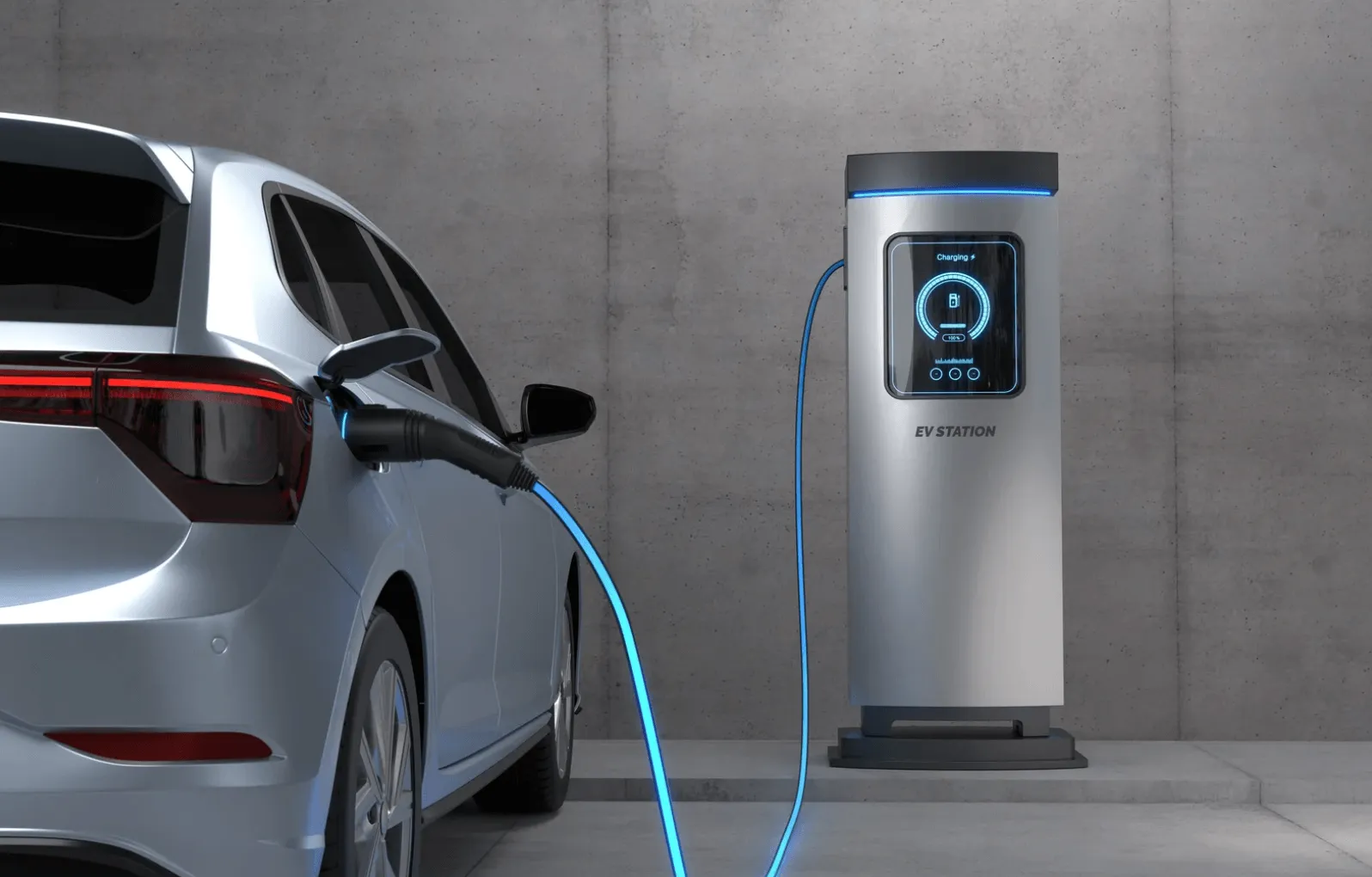
South Africa’s New Energy Vehicle (NEV) market is entering a pivotal phase. Government support for local manufacturing is moving from policy intent to implementation, investment in charging infrastructure continues to build, and businesses face growing pressure to improve efficiency and reduce emissions. For fleet operators, the conversation has shifted towards implementation. The focus now sits squarely on how to electrify successfully. Businesses that once treated NEV adoption as a distant sustainability goal are now weighing it as a near-term operational decision, one with direct implications for cost, risk and competitive position.
South Africa’s automotive industry has spent the past two years preparing for this moment. The Department of Trade, Industry and Competition’s Electric Vehicles White Paper set 2026 as a critical year for the local NEV transition, and the incentive environment has followed through. A tax deduction for manufacturers producing electric and hydrogen-powered vehicles came into effect on 1 March 2026, running through to 2036. Government also continues to work towards its long-standing target of lifting local content in South African-built vehicles to 60% by 2035.
For commercial fleet operators, particularly in logistics, last-mile delivery, retail and manufacturing, this is a signal worth acting on. Government policy has also set out a clear intention to help corporate and public fleets transition to South African-produced NEVs, recognising that fleets are among the earliest and most practical adopters of electrification at scale.
“The shift we are seeing is not speculative anymore,” says Andisiwe Nikelo, CEO of WesBank Fleet Management and Leasing. “Policy, incentives and manufacturing timelines are now aligning in the same direction, and that changes the calculation for any fleet operator asking whether this is the right time to act.”
Fleet decision-makers are working through a specific set of practical questions as this momentum builds. Questions around total cost of ownership, charging infrastructure availability, vehicle suitability for specific routes and duty cycles, and how to manage risk during a transition period are entirely reasonable, and they are also the questions that stall decisions when businesses attempt to answer them alone. This is where WesBank and FNB see their role. The two brands are building an end-to-end approach that combines leasing, fleet management, insurance and strategic advisory support, so businesses do not need to coordinate a fragmented set of suppliers and partners themselves.
A sustainable approach to fleet electrification starts with understanding the existing fleet: where efficiencies can already be created through better maintenance and driver behaviour, and where data can identify which vehicles and routes are genuinely ready for conversion.
From there, the logical next step is a pilot or simulation based on real data from your fleet, to test real-world cost savings and emissions reductions before committing further. Only once that evidence is in hand does it make sense to build a full electrification strategy, with clear targets and a purchasing approach that reflects the business’s actual duty cycles and growth plans.
“Businesses do not need to solve the entire transition on day one, in line with any fleet management and leasing structure, the pathway to fleet electrification is inherently bespoke ” says Nikelo. “What they need is a structured way to test assumptions with real data, so that every subsequent decision is grounded in their own fleet’s performance and not in a generic industry projection.”
This approach sits at the centre of EVolution, WesBank and FNB’s sustainable mobility platform, which brings together thought leadership, practical tools and strategic partnerships to help businesses navigate fleet electrification. Following its launch, EVolution continues to build engagement with fleet operators, industry partners and OEMs, with the 2026 iteration, EVolution 2.0, expanding into workshop-based formats designed to give business leaders a working understanding of the fleet electrification journey, from use-case identification through to implementation.
Fleet electrification is best understood as a strategic decision, one that also delivers meaningful compliance and sustainability benefits. Businesses that begin building the operational knowledge now, through data and insights, and a clear strategy, will be better positioned as the market matures and the total cost of ownership continues to close the gap with internal combustion vehicles.
For South African businesses managing sizeable fleets, the opportunity extends beyond adopting new vehicles. It includes building the operational capability that sustainable mobility will increasingly demand, with WesBank and FNB positioned as the partner equipped to guide that process from the first conversation to full implementation.