

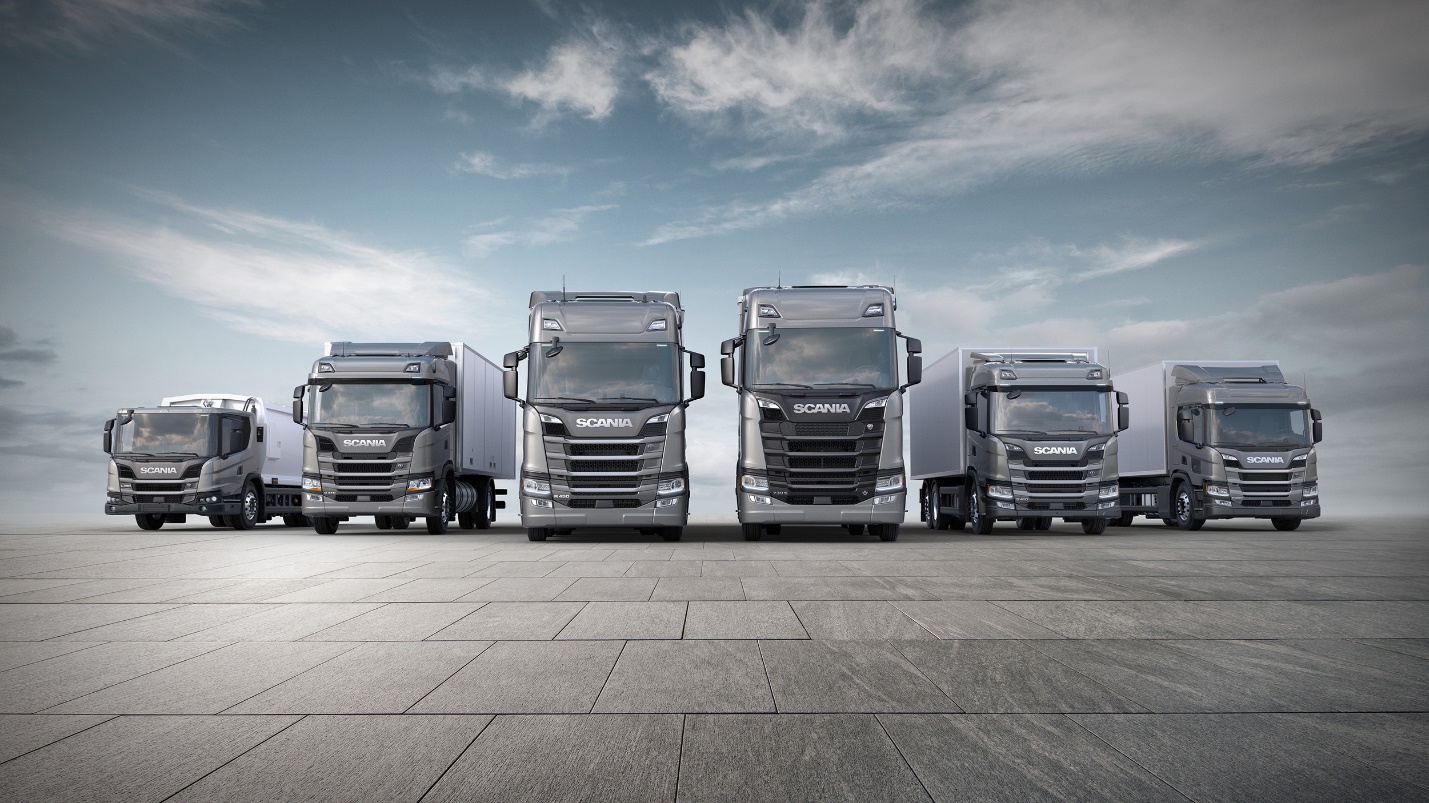
Scania South Africa is set to introduce its latest technological advancement, the Scania Super, at the upcoming NAMPO Harvest Day 2026. This next-generation transport solution has been specifically engineered to provide transport operators with measurable improvements in fuel efficiency, overall operational performance, and environmental sustainability. The unveiling at the country’s premier agricultural exhibition underscores the vehicle’s relevance to sectors heavily reliant on robust logistics networks.
The introduction of the Scania Super comes at a critical juncture for the South African transport industry, which continues to handle the vast majority of the nation’s freight. Operators are facing intense pressure to mitigate rising operating costs while simultaneously ensuring reliability and productivity in challenging conditions. Fuel expenditure remains one of the most significant financial burdens for fleet owners, frequently accounting for between thirty and fifty percent of total operating costs in heavy-duty applications. Consequently, any technological enhancement that delivers fuel efficiency translates directly into substantial commercial benefits.
At the core of the new vehicle is a redesigned thirteen-litre engine capable of achieving up to fifty percent brake thermal efficiency. This engineering milestone translates to fuel savings of approximately eight percent when compared to Scania’s previous generation of engines. These efficiency gains are further augmented by comprehensive updates to the Scania Opticruise gearbox, the rear axle, and the manufacturer’s modular chassis architecture. Together, these enhancements are designed to improve vehicle durability, maximise payload potential, and optimise the overall economy of operation.
Industry leadership at Scania Southern Africa emphasises that efficiency has evolved beyond a mere technical metric to become a fundamental driver of both profitability and sustainability. Transport operators are increasingly evaluating vehicle performance based on the specific efficiency delivered per kilometre, per load, and across the entire lifecycle of the asset. Beyond direct fuel consumption, the sector is also grappling with operational inefficiencies such as excessive idling, suboptimal route planning, and unplanned vehicle downtime, all of which continue to erode profit margins.
While the broader transport industry is gradually transitioning towards lower-emission technologies, significant sustainability improvements can be realised immediately through the optimisation of existing internal combustion engines. By lowering fuel consumption, improving payload efficiency, and maximising vehicle uptime, operators can effectively reduce their emissions intensity while maintaining commercially viable businesses. This approach aligns with the perspective that transport sustainability is fundamentally linked to the efficiency of current operations, rather than solely relying on future energy transitions.
The official presentation of the Scania Super at NAMPO Park on the thirteenth of May attracted a diverse audience, including agricultural leaders, fleet operators, and key stakeholders from the national logistics sector. The event provided a platform to discuss the central role of operational efficiency in navigating the current economic landscape. The launch reinforces Scania’s commitment to providing the South African market with locally relevant solutions that address the dual imperatives of economic pressure and evolving environmental expectations.