
Despite a growing body of research suggesting women often outperform men as investors, many still hesitate to begin their investment journey. According to a recent Investor Survey by Capital Group, women are nearly 40% more likely than men to wait until after age 35 before beginning to invest.
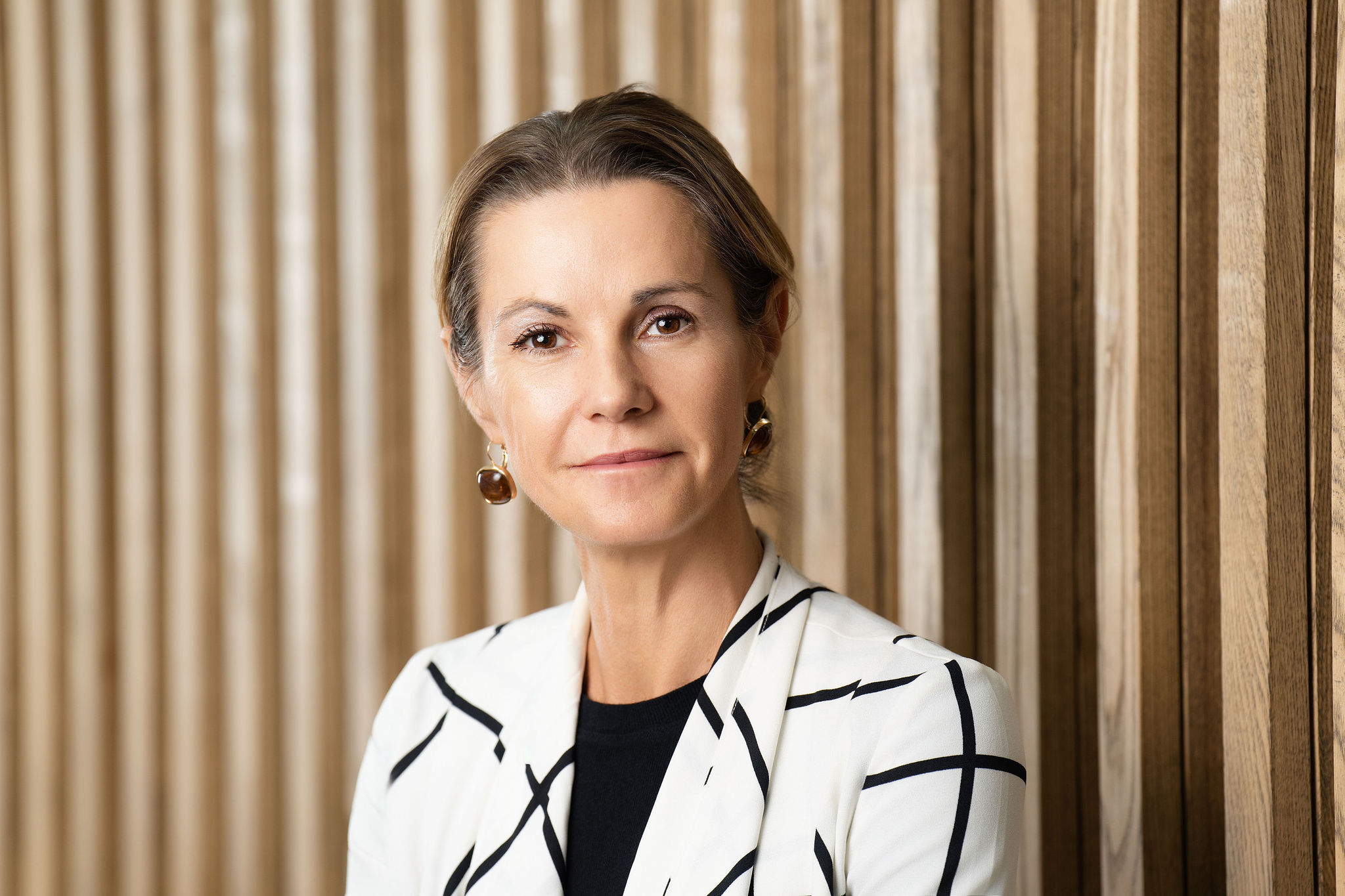
PSG Wealth Adviser, Suzette von Broembsen, says the reason for this is not because women are irresponsible with money, but rather because they are waiting until they feel confident, informed, and secure enough to begin. “Women often feel they need to know more before they start investing, while men are generally more comfortable investing with incomplete information.
“But waiting until you feel completely ready can come at a significant cost,” she warns.
The power of compounding
A common misconception among women is that investing is only worthwhile with a large amount of money. “Which is just not true,” says von Broembsen. “Thanks to the power of compounding, a relatively small amount invested in your 20s can be worth more than a significantly larger amount invested later in life.”
To illustrate this, von Broembsen uses the example of someone who needs R11 million by age 65 to retire comfortably. The monthly contribution required to build the nest egg is dramatically different depending on when you start investing. The example assumes an average annual return of 10% and annual contribution increases of 10%:
– Starting at age 25: R500 per month
– Starting at age 35: R1,750 per month
– Starting at age 45: R6,750 per month
– Starting at age 50: Close to R14,000 per month
“The lesson is simple: when it comes to investing, time is one of your most valuable assets,” says von Broembsen. “The earlier you start, the harder your money works for you.”
Focus on the fundamentals
Rather than attempting complex tax strategies or specialised investment structures early in your career, von Broembsen recommends building a strong financial foundation first.
“Financial success is often driven by behaviour rather than complexity,” she says. “Starting to save and invest early allows you to benefit from the power of compounding, which can significantly accelerate wealth creation over time. As your investments grow, the results often become a powerful incentive to save even more, bringing you closer to long-term financial freedom.”
As a starting point, von Broembsen encourages young women to begin contributing to a Tax-Free Savings Account (TFSA) invested in a diversified growth fund, while also making regular contributions to a Retirement Annuity through a reputable investment provider.
“At the same time, avoiding unnecessary consumer debt, particularly high-interest retail accounts, creates more room to build wealth over the long term,” she adds.
Aim for realistic growth
Once the foundation is set, von Broembsen recommends maintaining a significant allocation to equities within a long-term investment portfolio. “Equities have historically been one of the most effective ways to build wealth and protect purchasing power over time.”
She warns, however, against chasing investments or financial strategies that promise extraordinary returns. “If an investment opportunity sounds too good to be true, it is worth taking a step back and seeking professional advice.” Engaging with a reputable financial adviser or advisory firm can help you make informed decisions and avoid costly mistakes.
Start where you are
For women who feel they have already missed their opportunity, von Broembsen’s message is reassuring: “While it is ideal to start investing as early as possible, starting in your 30s is far better than delaying even longer. Through working with clients over many years, I have seen how failing to plan for the long term can leave people financially vulnerable in retirement.”
Building long-term wealth, she concludes, is less about finding the perfect investment and more about taking that first step.”Long-term wealth is built through good habits, consistency and discipline. Start where you are, invest what you can, and allow time to do the heavy lifting.” “Every person’s financial goal, circumstances and needs are different, and any investment decision should be considered within the context of their individual situation,” says von Broembsen