

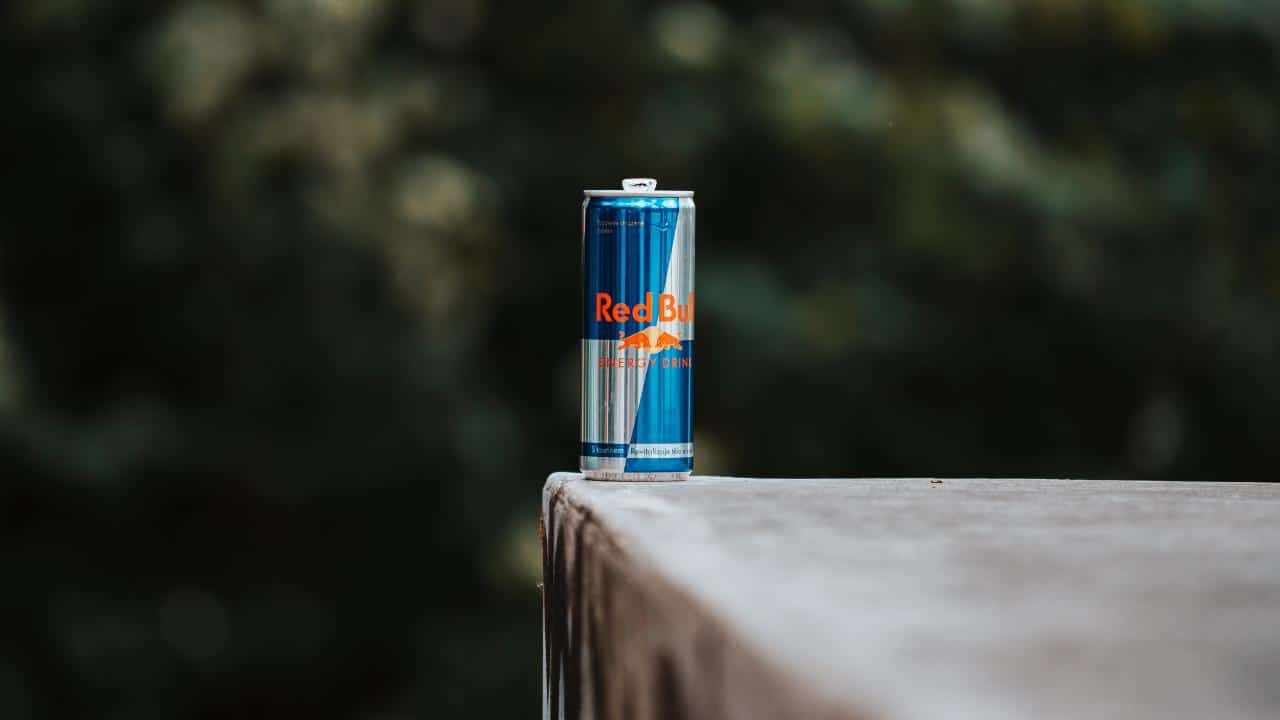
European Union antitrust authorities have initiated a formal investigation into the Austrian energy drinks producer Red Bull, suspecting the company of employing strategies across the continent to stifle competition, particularly from products sold in containers larger than its iconic 250ml cans. The probe centres on allegations that Red Bull has sought to limit the availability of rival energy drinks exceeding this size in supermarkets and petrol stations, potentially disadvantaging its main competitor, the American brand Monster Energy, as reported by Reuters.
The European Commission’s inquiry follows unannounced inspections at Red Bull premises in 2023, which the company unsuccessfully challenged in court, with a ruling last month upholding the raids as justified. Regulators believe Red Bull may have offered financial and other incentives to retailers to cease stocking or reduce the prominence of competing larger-format drinks, while also exploiting its influential role as a category manager to influence shelf space and product selection. Evidence points to such practices being implemented at least in the Netherlands, where Red Bull holds significant market sway, though the investigation extends to potential Europe-wide effects.
Competition officials are concerned that these tactics could be sustaining elevated prices and narrowing consumer options in a sector dominated by Red Bull’s slim cans. The company, which sold over 12 billion units globally last year and commands a substantial share of the European market, has chosen not to respond publicly to the allegations. Violations of EU competition rules prohibiting the abuse of a dominant position can result in penalties reaching up to 10 per cent of a firm’s annual worldwide turnover.
This case underscores the Commission’s ongoing vigilance over the food and beverage supply chain, where dominant players might leverage their position to hinder rivals. The European energy drinks market, valued at more than €20 billion and projected to grow significantly by the end of the decade, has seen intense rivalry between Red Bull and Monster, the latter often marketing larger 500ml cans that appeal to cost-conscious buyers. Past complaints from Monster about exclusionary practices helped trigger the initial raids, highlighting how format differences—Red Bull’s premium-priced smaller cans versus competitors’ value-oriented bigger ones—lie at the heart of the dispute, according to Politico.
While no timeline exists for concluding the probe and its launch does not presuppose guilt, the outcome could influence retail dynamics across the bloc. Similar EU actions against tech giants for comparable abuses have led to multibillion-euro fines and behavioural remedies, setting precedents that may apply here. For now, the investigation represents another chapter in Brussels’ efforts to ensure fair play in consumer goods markets increasingly shaped by powerful incumbents.