
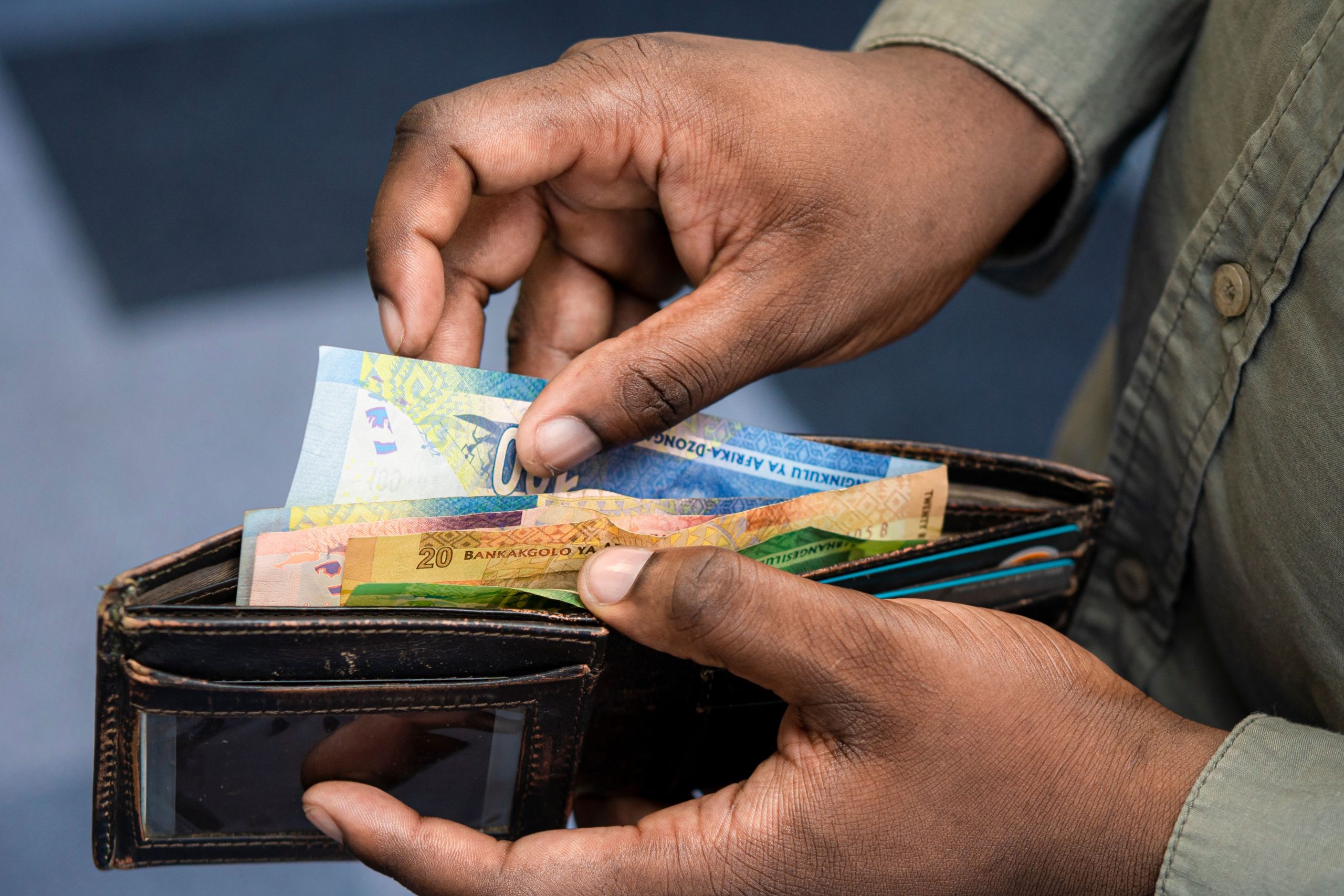
The group chat is planning a weekend away and payday has finally arrived. Before agreeing to the deposit, you pause.
It can be an uncomfortable opt-in if you are tired of turning things down due to budget limitations. “A useful starting point is to ask what saying yes today will mean for the rest of your month,” says Leana de Beer, Founder and CEO of WaFunda.
In Blackbullion South Africa’s recently released Zaka Index 2.0, nearly two thirds of respondents experienced money stress every day or a few times a week, while four in five contributed to household or shared living costs at least sometimes. A purchase can therefore affect next week’s groceries, the trip to work or someone else at home.
The study, released in collaboration with the Sanlam Foundation, explores what shapes financial decisions before money changes hands. It surveyed 1 544 people across all nine provinces and included two youth-ambassador focus groups. Ninety percent of respondents were aged 18-34. Blackbullion South Africa is WaFunda’s youth-focused digital financial education platform, funded by the Sanlam Foundation.
“You should be able to enjoy your money. Knowing what you can comfortably spend helps you do that without leaving yourself short for something essential,” says de Beer.
These six checks can help make room for enjoyment and spot commitments that may be regretted.
1. Treating your bank balance as spending money.
A banking app shows what is there today. It may include next week’s electricity, transport and the contribution promised at home. Subtract those costs and upcoming repayments before deciding what you can spend. For example, a R 500 balance with R1 100 already committed leaves R400. Write that figure down and update it as you spend. Include irregular costs, such as an upcoming birthday or trip home, before they become last-minute surprises.
2. Falling for the small instalment
A R300 payment can sound manageable until it joins three others. Together, that is R1 200 leaving your account. Before agreeing to credit, check the total repayable, interest, fees, payment dates and missed-payment consequences. Put every instalment on one calendar and consider whether you could still pay if your income arrived late.
3. Paying for things you have stopped using
A forgotten app trial can keep charging long after you have deleted the app. Review three months of statements for subscriptions, memberships and recurring purchases. As an illustration, three unused subscriptions at R99 each cost R297 a month, or R3 564 a year. Check cancellation terms and set reminders before trials renew. With discounts, compare the final checkout amount, including delivery. Adding something you do not need to qualify for free delivery still costs money.
4. Agreeing to plans before knowing the full cost
The weekend accommodation may fit your budget until you add petrol, meals and activities. Ask for the whole estimate before paying a deposit, and decide your limit before the group gets excited. You can say, “I can join for lunch, but the overnight stay is outside my budget.” Offer an alternative you can afford. A friend’s holiday photographs reveal very little about their income, debt or who paid for the trip.
5. Mistaking a convincing post for reliable guidance
About half of Zaka Index respondents had acted on online money guidance and said it helped. Useful information is available, but check who is giving it and whether they benefit from your sign-up. Before an investment, independently verify the provider’s authorisation through the Financial Sector Conduct Authority and confirm you are dealing with the genuine business. Ask what you could lose and how withdrawals work. Keep hoped-for betting wins and unconfirmed side-hustle earnings out of the money available for bills.
6. Waiting for a perfect month to prepare
Fewer than one in four Zaka Index respondents could cover an unexpected R1 000 expense from savings. If essentials and repayments leave room, choose a repeatable amount for accessible emergency savings: R25 a week adds up to R1 300 over a year before interest. If nothing is spare, identify any bill you may struggle to pay and contact the provider early to discuss options. Avoid borrowing to meet a savings target.
Before your next money move, give yourself time to check the cost against the month you still have to live.