
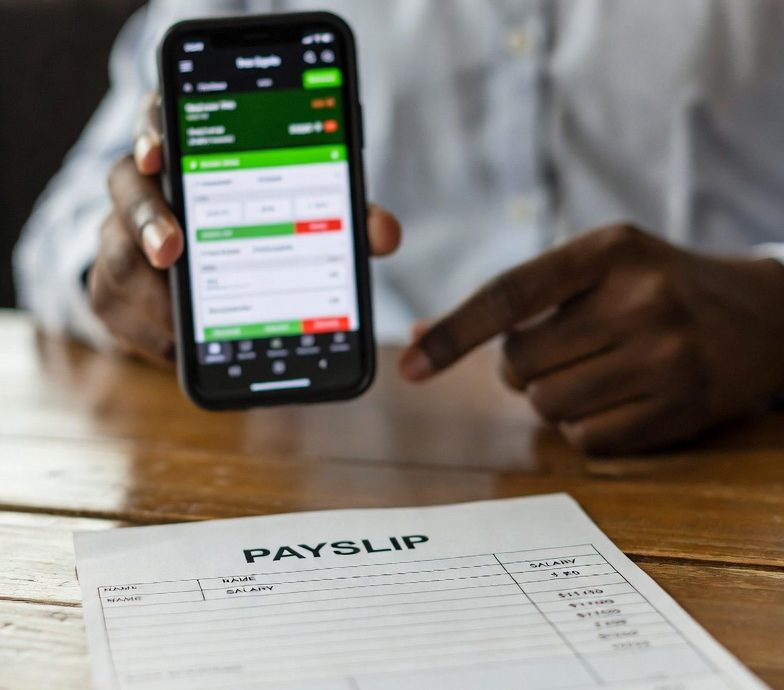
A sharp rise in gambling among South African employees has emerged as one of the clearest signs of growing financial stress in the workforce. The trend is prompting calls for companies to rethink support beyond salaries, and to strengthen workplace interventions that help staff manage short-term financial shocks without compromising long-term security.
“What we are seeing is a society under strain. Short-term relief is consistently winning over long-term security because many employees simply do not have the financial reserves they need to cope,” says Keri-Lee Edmond, Head of Business Intelligence at Old Mutual Corporate. “This is no longer an individual challenge. It is a workforce-wide issue that employers need to factor into how they support their people.”
New insights from Old Mutual Corporate show that 40% of working South Africans now gamble frequently, and many are doing so to bridge monthly shortfalls. At a national level, StatsSA estimates that more than half, as much as 55% of what is classified as recreational spending, is directed towards gambling activities.
But the bigger concern is what’s driving that spend. “Our research shows that for many South Africans, this is no longer just about recreation or entertainment. Individuals are gambling to meet daily needs and expenses, pay off debt, or in an attempt to secure higher incomes. Statistically, we know this is not a sustainable way to improve financial outcomes,” says Edmond.
Workplace Impact: Financial Stress Is Now an Operational Risk
For employers, these behaviours carry real operational consequences. Financially stressed employees may show reduced focus and lower productivity, signalling that household pressure is spilling into the workplace. Edmond explains that this is not merely disengagement, but financial strain affecting daily performance.
“Employees need support that helps them manage immediate financial pressure while also building long-term stability,” she says. “Employers can make a meaningful difference by offering responsible benefit flexibility, alongside timely and targeted financial guidance that helps employees make confident decisions at key moments.”
She says that while gambling is more pronounced among younger and lower-income employees, it is by no means confined to these groups. “Gambling activity is evident across income bands and demographics, reflecting debt-driven pressure and rising cost of living. Under these conditions, gambling is increasingly becoming part of how people manage their money day to day, with scarce income being directed towards high-risk avenues in an attempt to cover expenses and keep up with financial obligations.”
However, she emphasises that flexibility must be responsible, balancing employees’ short-term realities with their long-term financial security. “Responsible flexibility gives employees room to adjust their benefits as their circumstances change, but within guardrails that protect long-term security and prevent short-term pressures from undermining their future. We need to help employees automate their futures before they have to negotiate with their present”.
Financial stress and online gambling is shaping behaviour in profound ways. “Without timely support, employees will continue turning to solutions that undermine their long-term wellbeing and affect organisational performance. The opportunity to intervene has never been clearer,” Edmond concludes.