

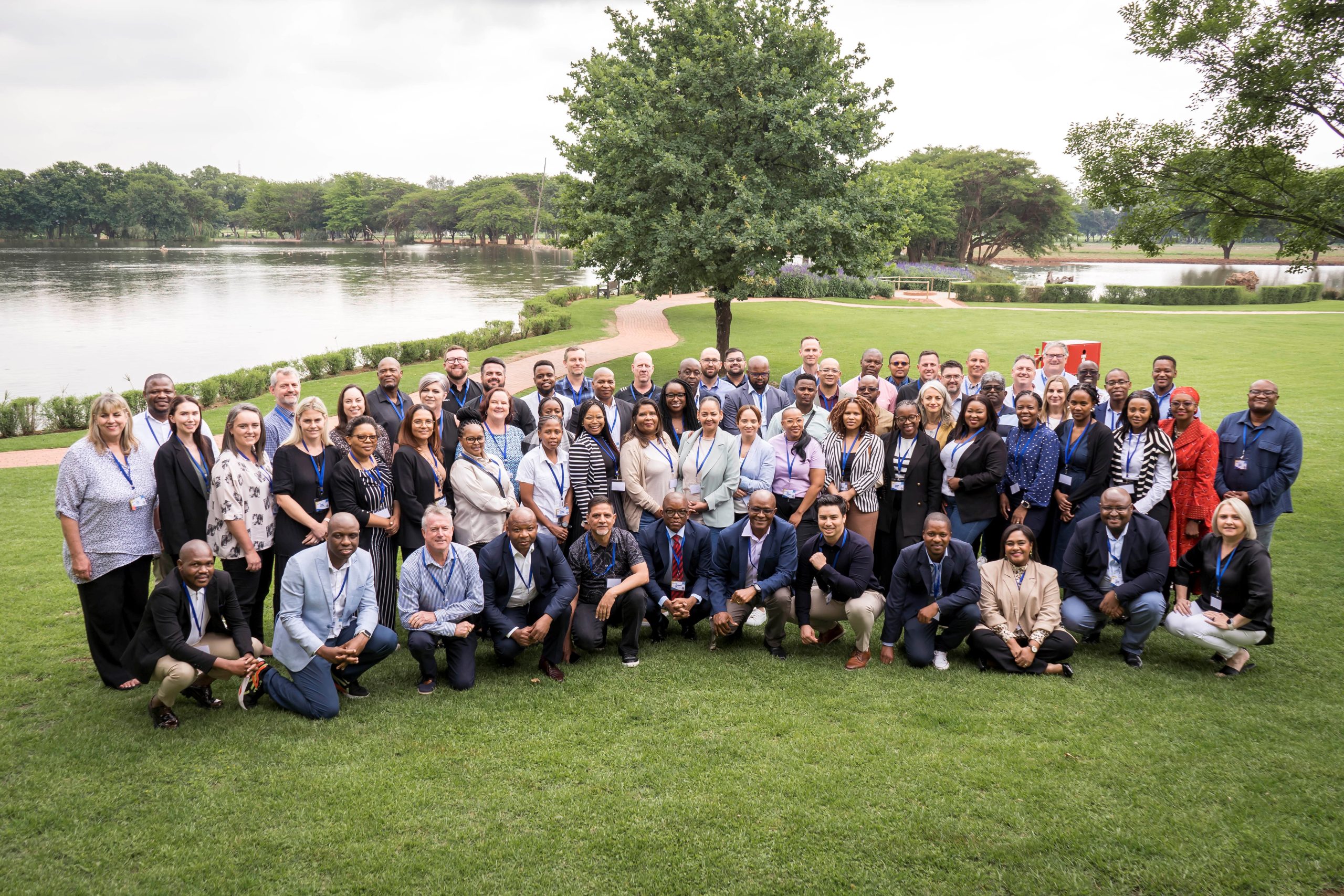
Engineering insurers are rethinking how they price, place and manage risk as South Africa’s infrastructure ambitions collide with economic pressure, climate volatility and rapid technological change. Those tensions – and the opportunities they present – came sharply into focus at the South African Association of Engineering Insurers’ (SAAEI) recent two-day conference at Irene Country Lodge. SAAEI, a specialist body within the South African Insurance Association (SAIA), convened insurers, underwriters, reinsurers, brokers and engineers to take stock of a sector in transition.
A clear message ran through the discussions: collaboration is no longer optional. With engineering risks becoming more complex and projects more interconnected, speakers stressed that underwriters, brokers, reinsurers and technical experts cannot operate in silos. Open communication, shared data and early engagement between all parties were repeatedly cited as the foundation of effective risk management and sustainable project outcomes.
The outlook for the construction sector emerged as cautiously optimistic. Delegates pointed to renewed attention on infrastructure, the growth of renewable and sustainable energy projects and a pipeline of opportunities in both public and private markets. At the same time, persistent headwinds – cost inflation, project delays, funding constraints and contractor distress – continue to test resilience. Against this backdrop, the emphasis fell on disciplined underwriting, robust project oversight and proactive client engagement as essential tools for navigating a still-fragile environment.
One of the more hard-edged conversations centred on non-compliant construction and its implications for cover. Delegates were reminded that unauthorised building practices or failure to meet regulatory and safety standards can expose clients and insurers to significant risk, including repudiated claims and reputational damage. The debate underscored the need for rigorous due diligence, proper documentation and clear communication with clients about the limits of policy response when legal or technical requirements are ignored.
Developments in the reinsurance market also featured prominently. Climate change, macro-economic volatility and geopolitical tensions are reshaping capacity, pricing and appetite for certain risks. Speakers stressed that transparent relationships and data-driven dialogue between local engineering insurers and their reinsurance partners are now critical for maintaining stability and ensuring alignment with evolving international standards and wordings.
Market conditions are, in turn, redefining how engineering risks are placed. Beyond headline premiums, there is growing focus on the quality and depth of risk information submitted, the strength of risk management on site and the value of long-term partnership models instead of purely transactional buying. Several contributors argued that in a harder market, well-managed risks supported by credible data and strong relationships are more likely to attract sustainable capacity.
The role of technology – and particularly artificial intelligence (AI) – was another recurring theme. As digital tools reshape how risks are assessed, priced and monitored, AI is emerging as a powerful enabler across the engineering insurance value chain. Presentations explored how predictive analytics, automation and real-time data feeds can sharpen underwriting decisions, streamline claims handling and support more granular portfolio management. At the same time, speakers were quick to flag the emerging challenges: data privacy, cyber exposure, ethical use of algorithms and the danger of over-reliance on models at the expense of human judgement. The consensus was that AI needs to be deployed responsibly, with engineers and underwriters firmly “in the loop”, if it is to build trust and transparency rather than erode it.
Taken together, the discussions painted a picture of an industry under pressure, but not standing still. Engineering insurers are being forced to interrogate long-held assumptions about risk, revisit the quality of information they rely on and rethink how they work with clients, brokers, reinsurers and technical specialists. Collaboration, compliance and adaptability – backed by emerging technologies – are moving to the centre of the conversation.
As South Africa looks to accelerate infrastructure delivery amid economic, environmental and technological uncertainty, the themes that surfaced at the SAAEI conference are set to shape engineering insurance for some time: closer partnerships, tougher questions on compliance, smarter use of data and a more strategic approach to risk. Far from a routine industry gathering, the event offered an early look at how the market is repositioning itself for a more connected, intelligent and resilient future.