
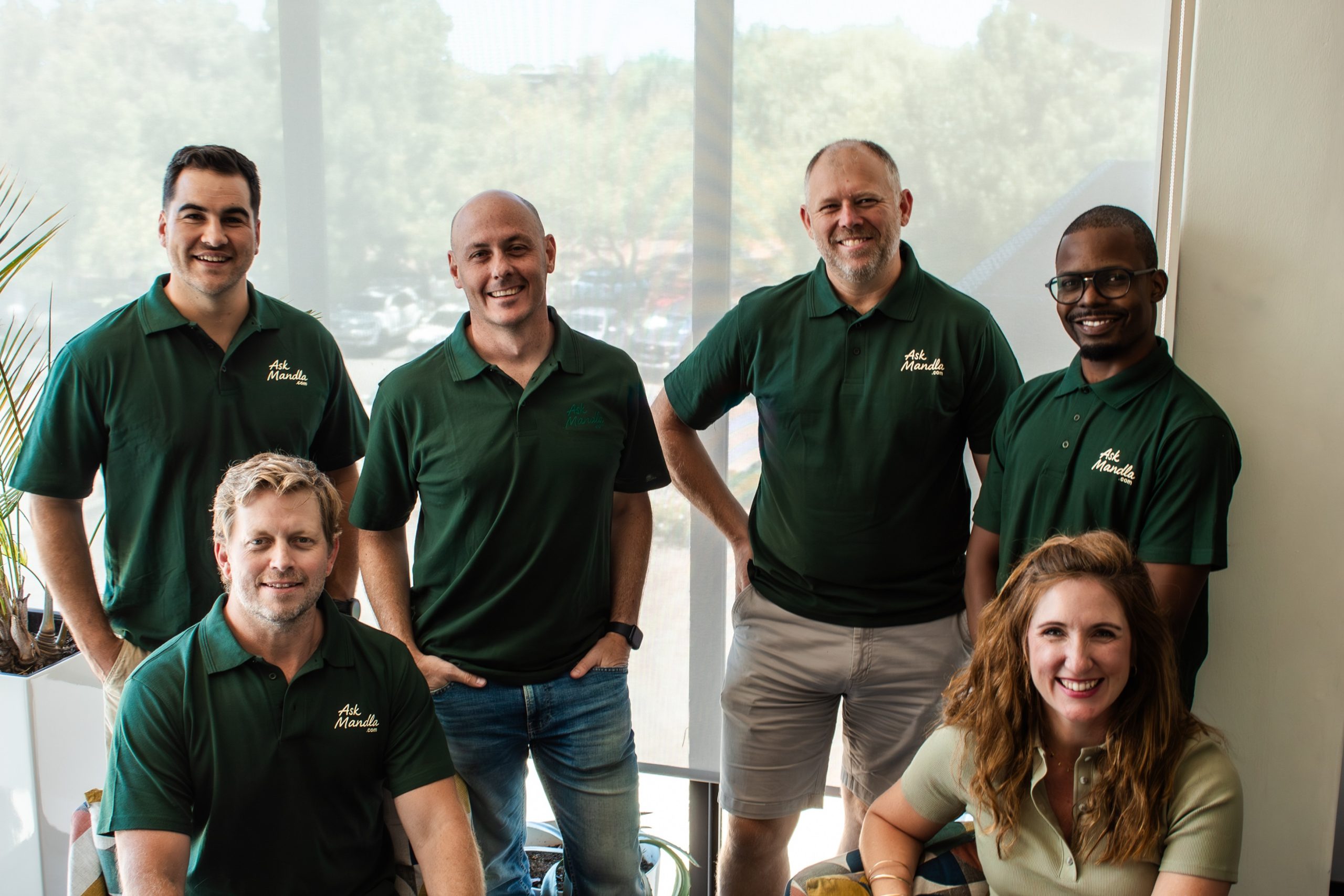
Local startup AskMandla has been named the winner of the Informal Market category at the 2026 South African Startup Awards, recognising its innovative approach to bringing greater access, financial inclusion and support to the domestic employment sector.
Domestic workers care for our children, look after our homes and enable millions of South Africans to participate in the formal economy. Yet domestic employment is not recognised as ‘real work.’
AskMandla has set out to change that.
Bringing dignity to the home workforce
From employment contracts and UIF registration to payslips, payroll and leave management, the administrative requirements for domestic employment can be confusing and cumbersome or are simply something that is kept conversational in a loose arrangement.
AskMandla was developed to simplify and add structure to this process. Built around WhatsApp – a platform that data-conscious domestic workers are familiar with – the platform allows employers to manage their domestic employment responsibilities through a simple conversation with Mandla, a friendly AI-powered assistant.
Through the service, employers can set up legally compliant employment contracts, register employees for UIF, manage COIDA requirements, track leave and automate monthly salary payments and payslips. Employers simply top up their AskMandla wallet with the employee’s salary, UIF contributions and service fee, and the platform manages the monthly payment process.
For domestic workers, these seemingly simple requirements make a meaningful difference. A payslip provides proof of income. An employment contract brings clarity and security. UIF registration provides access to important benefits when employment comes to an end, or a worker is unable to work.
But AskMandla is also looking beyond compliance, using technology to give domestic workers access to financial services that have traditionally been out of reach.
Making financial inclusion a reality
One of the platform’s latest innovations is Earned Wage Access, which allows registered domestic workers to access a portion of their wages already earned, before their usual payday.
Rather than having to borrow money or ask their employer for an advance when unexpected expenses arise, workers can access their earned wages through AskMandla, with transparent fees agreed upfront and no interest charges. Funds are paid into their bank accounts within 24 hours.
The platform also gives workers access to a personal digital record of their employment, including payslips, payment history and documentation, all available through WhatsApp.
This is particularly important for workers who have spent years in informal employment without any formal record of their earnings. Having a verified employment history and proof of income can open doors to financial services, from banking and insurance to credit and other forms of financial support.
Innovation with meaningful impact
South Africa’s informal economy supports millions of livelihoods, yet many of the people working within it remain excluded from the financial systems and employment benefits available to formally employed workers.
AskMandla’s recognition at the South African Startup Awards highlights the opportunity for entrepreneurs to address these everyday challenges through accessible technology.
By building its service around WhatsApp and in several local languages, AskMandla has broken down barriers to structured domestic employment for both the employer and the employee alike.
Launched in May 2025, the business now processes more than R2 million in wages every month; approximately 1,000 people speak to Mandla via WhatsApp for help with contracts, payslips, UIF and labour law, and this is facilitated through around 20,000 messages per month, demonstrating the potential for practical, locally developed technology to make a meaningful difference.
For Adolphs and the AskMandla team, the award recognises the importance of innovation within a sector that has been largely overlooked, despite the vital role it plays in South Africa’s economy.
“We’re incredibly proud to win in this category,” says Adolphs. “Not only because it’s a milestone for our fledgling business, but because domestic work is one of the biggest informal markets inside South Africa and it happens inside our homes. Being able to give a payslip to our domestic workers says that we see them, we recognise them, and that their work is real work too.”
It also creates an opportunity to continue driving a much-needed conversation about domestic employment and why this economy actually deserves to live within the formal space, encouraging South Africans to think more intentionally about the people they employ, the responsibilities they carry and the dignity that every worker deserves.