
Masisizane Fund has launched its Investment Readiness Programme, a 12-month initiative that will support high-potential South African small and medium-sized enterprises (SMEs) to strengthen their business fundamentals and prepare for growth capital.
The Masisizane Investment Readiness Programme (MIRP) responds to a persistent challenge in the SME market. Many viable businesses have the potential to scale, but struggle to access funding because they have not yet built the systems, records, governance and financial discipline that funders require.
Through MIRP, Masisizane Fund is extending its support beyond finance by helping entrepreneurs improve business discipline, strengthen investor confidence and prepare for sustainable scale.
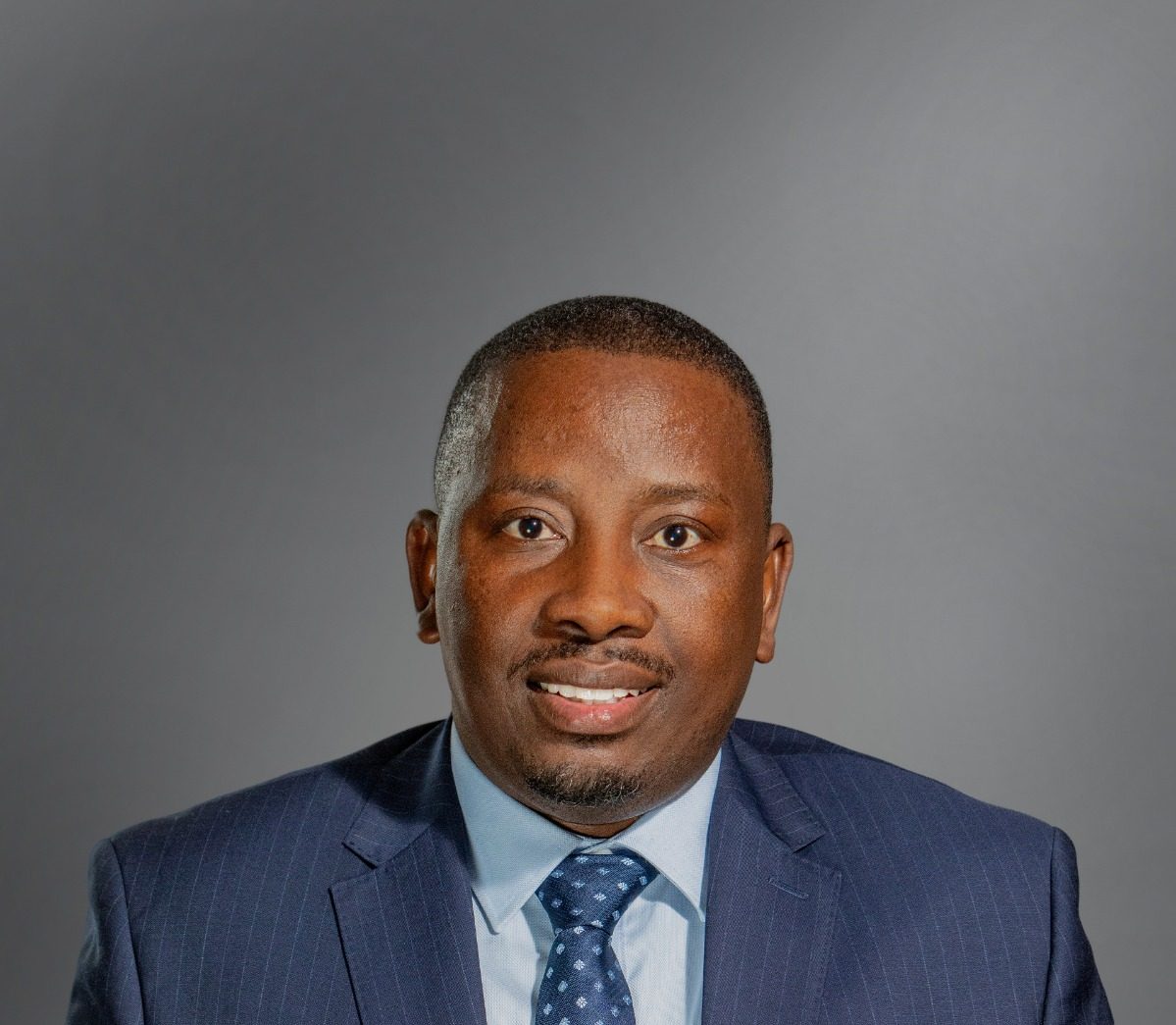
“South Africa has many capable entrepreneurs with scalable businesses, but too many are held back by readiness gaps that limit their ability to secure funding. This programme is designed to close those gaps in a practical way by helping SMEs build the systems, governance, financial records and growth plans that investors expect,” says Masisizane’s Investment Head, Thabang Hleza.
Building Investable Businesses
Selected SMEs will receive business development support, mentorship, investor-readiness assessments, financial and operational strengthening, governance support, growth planning and specialist advisory services. The programme follows a five-stage framework covering baseline diagnostic across financial, operational, governance and compliance areas, a costed growth roadmap, investor collateral and data room preparation, and ongoing monitoring against agreed milestones.
The diagnostic examines financial management, commercial strategy, operations, governance, risk management, legal compliance and organisational capability. The findings are then converted into a tailored growth roadmap with clear actions, milestones, timelines and accountability measures.
Participating businesses will be supported to pursue funding of between R1 million and R20 million and leave the programme with stronger systems, improved performance visibility, credible investment documentation and a clearer path to growth.
The MIRP is facilitated through two implementation partners:
- Fetola, whose primary focus sectors are Agribusiness and Manufacturing; and
- 22 On Sloane, in partnership with Teksa Holdings, whose primary focus sectors are Logistics and Services.
Who Should Apply?
The programme is seeking ambitious, growth-stage SMEs operating in the following sectors:
- Manufacturing
- Agribusiness
- Logistics
- Services
To be eligible, businesses must meet the following core criteria:
- Formally registered and operating in South Africa;
- At least 51% black-owned;
- Operational for a minimum of three years; and
- Generating annual revenue of between R1 million and R50 million.
The programme is open nationwide, with preference given to businesses in high-impact regions, women-owned businesses, and businesses owned or managed by persons living with disabilities.
Applicants should be established businesses with market traction, a clear growth path and a commitment to improving their operational, financial and governance capabilities.
The programme is also suited to entrepreneurs who have previously sought funding but were unable to secure it, orbusinesses preparing for future investment opportunities.
Applications Open
Applications are now open. Entrepreneurs who meet the qualifying criteria can visit:
- Fetola for Agribusiness and Manufacturing sectors [https://shorturl.at/vx5EB]
- 22 On Sloane for Logistics and Services industries [https://kumii.africa/masisizane-apply]
A New Model for SME Growth
The launch reflects Masisizane Fund’s belief that sustainable SME growth requires more than capital. By combining business development support with funding readiness interventions, the Fund aims to help entrepreneurs become more resilient, competitive and attractive to investors.
Masisizane aims to build a stronger pipeline of established, black-owned SMEs that can attract and deploy growth capital, expand operations, create jobs and contribute to South Africa’s inclusive economic development.