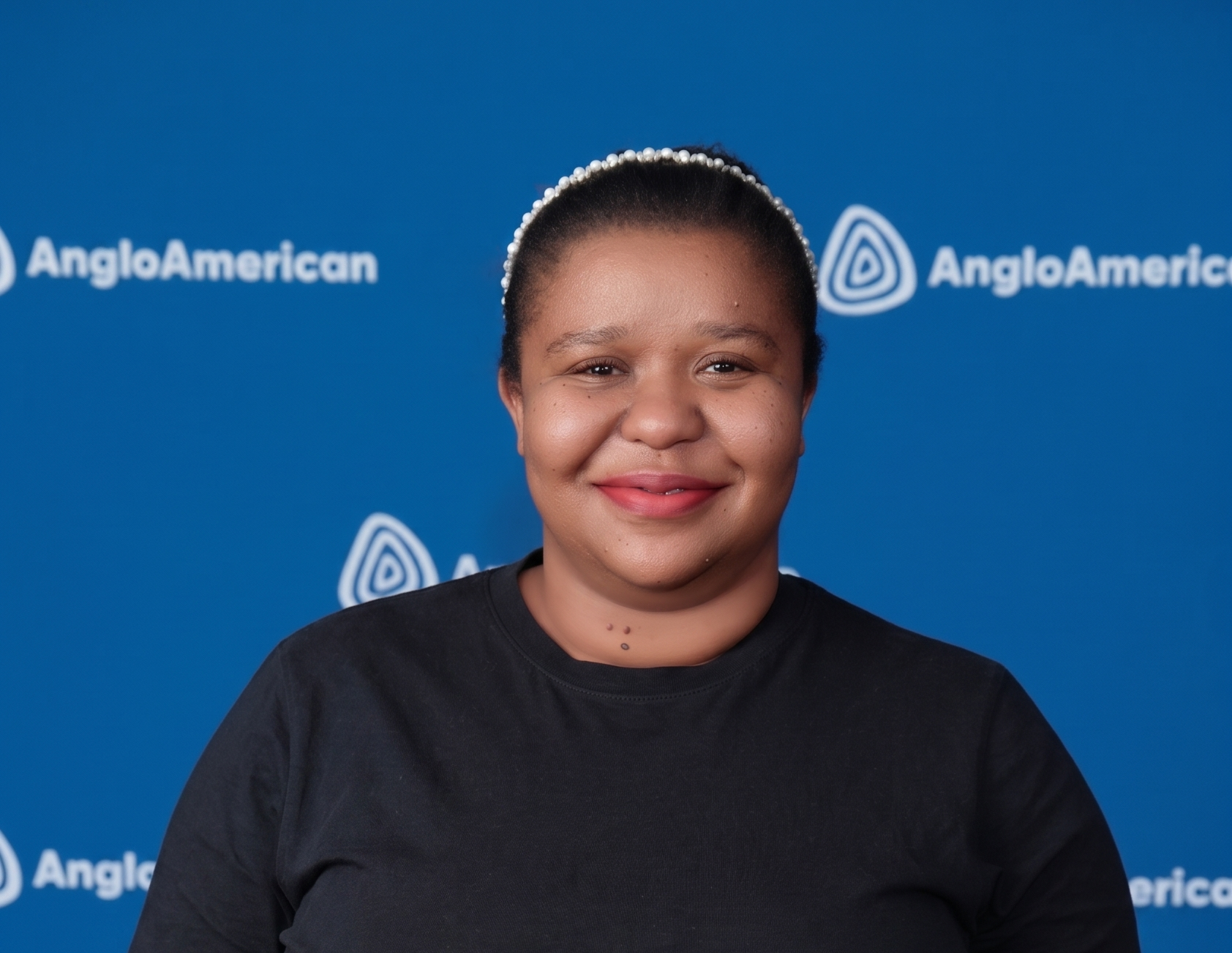
Tsholofelo Moeng did not plan to become a business owner. Like many young South Africans, she had a job, a routine, and a plan. Then retrenchment arrived, and the plan fell apart. What came next is the kind of story that South Africa’s Youth Month was made to tell.
In June 2025, Moeng founded De Joint Carwash and Shisa in Lime Acres, a small mining town in the Northern Cape. The business started with a simple premise — identify what the community needs and find a way to provide it. One year on, De Joint offers carwash services, catering, cleaning, event planning, and consumable supplies, all operating out of a repurposed abandoned mine building that Moeng fought through rezoning processes and municipal regulations to make her own.
“Losing my job could have been a setback, but I chose to turn it into an opportunity,” she says. “Seeing people embrace my business gave me the confidence and determination to grow it into a service that adds value to the area.”
That value is already tangible. De Joint currently employs four people, including two recent school leavers and a woman in a mid-management role — a deliberate choice that reflects Moeng’s belief that employment in small towns is not just an economic transaction, but a social intervention. In a community where limited amenities, high youth unemployment, and exposure to substance abuse are daily realities, a job is a lifeline. Moeng knows this because she grew up in exactly that environment.
The path to opening De Joint was not straightforward. Establishing a business in a mining town comes with layers of regulatory complexity that most entrepreneurship guides do not cover. The abandoned mine building Moeng identified as her premises required rezoning, which meant engaging with municipal officials, town planners, and council representatives simultaneously. Rather than being deterred, she leaned into the process — and found unexpected allies.
“I received tremendous support from the local municipality, town planners, and council representatives, who assisted me in refining my business plan and ensuring compliance with all necessary requirements,” she recalls. It is a lesson in what community-level partnership between small business and local government can look like when it works.
Moeng’s approach to expanding the business is equally deliberate. Every new service at De Joint traces back to a customer conversation — a suggestion, a request, a gap that someone in the community noticed and brought to her. She describes her model as customer-focused, and the evidence bears that out. What started as a carwash has grown into a multi-service enterprise because Moeng listened and then acted.
Her vision for De Joint extends well beyond Lime Acres. She wants to take the model into other mining communities across South Africa, scaling the employment impact as the business grows and eventually expanding into cleaning solutions and consumable supplies — categories she identifies as consistently high-demand in mining environments. The long-term goal is to employ a significant number of young people, not just in one town, but across the sector.
For aspiring entrepreneurs watching from the sidelines, Moeng’s advice is rooted in the practical realities she has navigated herself. Do your research. Understand your market. Learn where the funding and mentorship are — because they exist, even if they are not always visible. Build relationships with local government before you need them. And above all, prepare.
“Preparation, persistence, and community engagement are key ingredients for success,” she says.
In a country where 54.65% of young people are unemployed and rural communities remain chronically underserved, De Joint Carwash and Shisa is a small business carrying a large idea: that entrepreneurship, done with intention and rooted in community, can be a genuine engine of local economic change. Tsholofelo Moeng did not wait for the economy to recover. She built something inside it.