
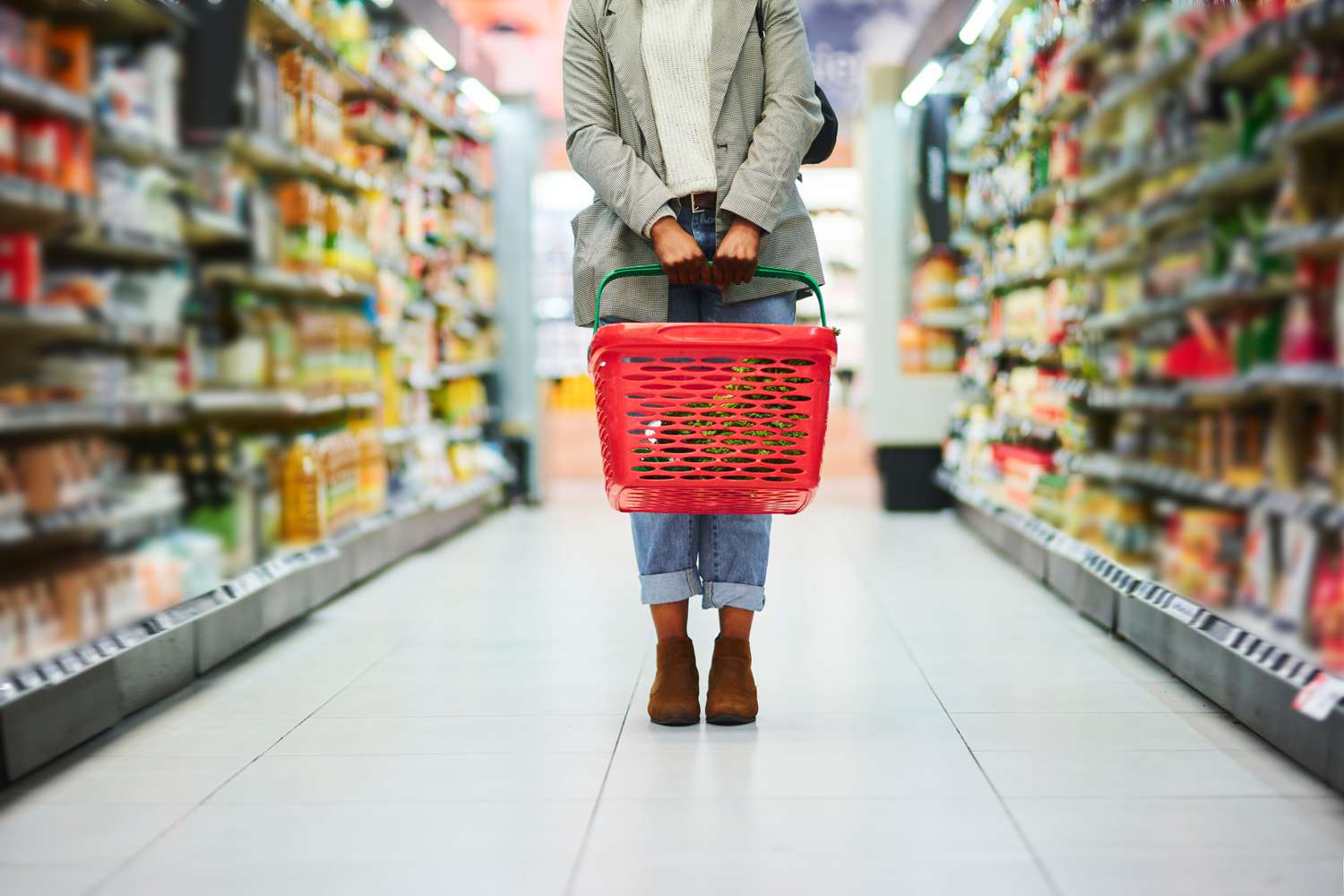
South African households are becoming more deliberate about how they spend on groceries: they are shopping more frequently, but buying fewer items on each trip, while adapting the way they prepare and consume food at home.
New findings from Plate of the Nation by Worldpanel by Numerator show that the South African FMCG market reached R422 billion in the 12 months to June 2026, growing 2.3% in value. Yet household consumption remained broadly flat, with volume growth of just 1.3% at market level. Within food specifically, the market grew 2.4% in value and 1.8% in volume, with food accounting for almost two-thirds of grocery spend.
The shift is particularly visible in shopping behaviour. South Africans made 108 grocery trips per year in June 2026, up from 105 a year earlier, while the number of packs purchased per trip fell from 6.55 to 6.37 pointing to a consumer that seems to be managing the grocery budget. Average pack size also declined by 0.5%, this downsizing might be manufacturer led or a consumer led demand.
“The story is not simply that consumers are managing their spend. They are becoming much more selective about how they spend, and that is changing the composition of the basket. More frequent trips and smaller baskets suggest households are having a much more calculated and cautious approach to shopping,” says Vanessa Hall, Commercial Growth Partner at Worldpanel by Numerator South Africa.
Convenience is increasingly beating scratch cooking
One of the clearest consequences of this more deliberate shopping behaviour is the growing appeal of faster, easier meal preparation.
Looking specifically at volume per buyer, staples that require less time and effort are outperforming products associated with longer preparation. Instant noodles saw an 11.5% increase in volume per buyer, while bread increased 1.3% and breakfast cereal 1.9%. In contrast, volume per buyer declined for longer-preparation staples, including flour (-6.8%), pasta (-4.6%) and samp (-1.5%).
The same pattern appears across broader meal-solution categories. Many convenient categories are growing their shopper base, with some also getting existing shoppers to buy more, while meal solutions are being driven predominantly by marinades – offering a faster route to flavour without lengthy preparation.
Home is becoming the new takeaway
Convenience is also intersecting with affordability as consumers find ways to recreate eating occasions that might previously have happened outside the home.
Prepared frozen poultry penetration increased from 18.7% in 2024 to 23.3% in 2026, while the penetration of non-prepared frozen poultry declined. The volume per buyer of prepared frozen poultry also increased, while the non-prepared segment continued to contract.
Ready-to-eat chilled desserts provide another example, with the category showing around 40% growth over two years. The research also highlights the potential economic appeal of bringing an out-of-home occasion into the home: a grocery pie at around R12 can substitute for an order-in occasion costing around R42. For brands, this creates an opportunity that goes beyond competing on shelf price.
“Convenience has become much more closely tied to value. Consumers are not necessarily choosing between cooking at home and eating out; they are looking for products that allow them to recreate the experience they want with less time, less effort and less money. That makes the occasion itself increasingly important for brands to understand,” says Hall.
Fast flavour is adding excitement without adding effort
The search for easier meals is not translating into a willingness to compromise on taste.
Flavour enhancers now account for 10.5% of food value, and table sauces are expanding their reach. Hot sauce penetration rose from 45.5% in 2024 to 52.3% in 2026, while marinades increased from 25.0% to 29.4%. Households are also buying into more types of table sauces, with average repertoire size increasing from 2.9 to 3.1.
Dairy and eggs quietly power food growth
Against this backdrop, dairy and eggs have become one of the strongest structural engines of the food basket, accounting for 16.3% of food value in June 2026, up from 14.9% two years earlier.
Eggs are particularly striking. Penetration increased from 82.5% of households in 2024 to 88.1% in 2026, while volume per buyer rose from 183 to 234 eggs over the same period.
Milk is also being reshaped: volume is moving away from fresh milk toward UHT milk and milk alternatives, with fresh milk volume per buyer down 10.3%, compared with growth for UHT and alternatives.
These categories combine several of the attributes increasingly sought by households: versatility, convenience and the ability to play across multiple meal occasions.
From the basket to the plate
Taken together, the findings show a South African consumer who is not simply cutting back, but re-engineering everyday food consumption.
Households are shopping more often and buying fewer items at a time; choosing quicker preparation formats; bringing more takeaway-style occasions into the home; looking for easy ways to add flavour; and relying on versatile categories such as eggs and dairy to stretch across multiple meals.
“The most important opportunity for the food industry is to understand that consumers are making connected decisions. Price matters, but so do time, effort, taste, versatility and the occasion a product can unlock. The brands best placed to grow will be those that can deliver several of those benefits at once and make the consumer feel that the product earns its place in the basket,” concludes Hall.
Plate of the Nation by Worldpane
l by Numerator provides a view of how South African households are changing what they buy, prepare and consume, connecting purchasing behaviour with meal occasions to reveal the forces reshaping the nation’s food landscape.