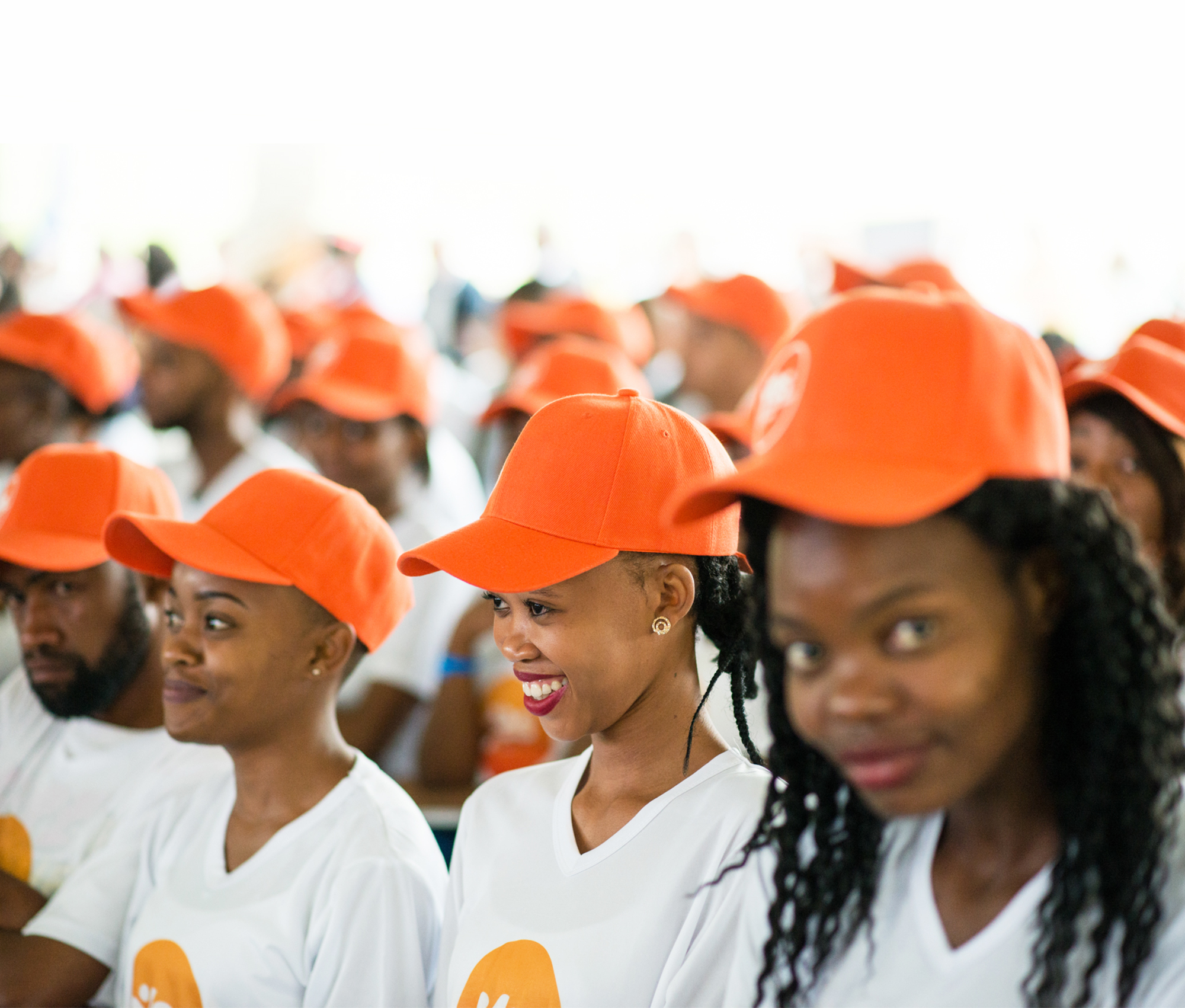
The Youth Employment Service (YES), South Africa’s largest private sector-led youth employment initiative, has announced a strategic partnership with BMW Group South Africa, Absa and a leading international donor funder, to help bridge the gap between qualification and employment for unemployed graduates. Through the collaboration, BMW Group South Africa provides 12 months of full-time, paid work experience, while Absa offers historical student debt relief for qualifying graduates, with the international donor providing top up salary support.
The YES quality work experience combines work experience, digital skills development, mentorship and targeted financial support to help remove barriers to employment and prepare these graduates for longer-term career opportunities. It builds on YES’s broader track record of creating over 233,267 12-month, full-time work opportunities for young South Africans to date.
“This partnership with BMW Group and Absa represents a powerful commitment to unlocking sustainable youth employability at scale,” said Ravi Naidoo, CEO of YES. “By placing these graduates into strategically relevant sectors, specifically in high-impact and future-facing roles, we are creating a multiplier effect where one job can create 10 more.”
Since 2022, BMW Group South Africa has offered more than 4,300 work experiences through the YES programme. Today, the company’s latest YES cohort includes more than 1,000 young South Africans. This forms part of its continued commitment to creating employment opportunities for young people across South Africa.
“Our investment in youth employment goes beyond immediate talent needs,” says Valencia Modiba, Head of Transformation and Corporate Investment at BMW Group South Africa. “By partnering with YES and sponsoring 172 graduates through this programme, we are contributing to a generation of South Africans who are work-ready, digitally capable and equipped to propel our economy forward. This is what responsible business looks like in practice.”
As part of the programme, a cohort of 172 qualifying graduates have received historical student debt relief through the Absa CSI Trust Graduate Historical Debt Relief programme. In total ABSA has provided an estimated R60 million in debt relief to over 800 graduates from participating higher education institutions.
“For many graduates, historical student debt is the final barrier between earning a qualification and starting a career. Through this debt relief intervention, we are helping young people unlock opportunities, realise their potential and build brighter futures. When we invest in the aspirations of our youth, we are investing in South Africa’s future, one story at a time,” says Setlogane Manchidi, Managing Executive: Corporate Citizenship Absa Group.
By removing this barrier, the programme helps graduates pursue career opportunities and contribute meaningfully to the economy. The initiative aligns with Absa’s purpose of “Empowering Africa’s tomorrow, together… one story at a time.”
Through the international donor’s support, the graduates receive an additional monthly salary top up, giving them greater financial stability throughout the programme. This recognises that access to work experience is only one part of the transition from education to employment. For many young people, financial stability during the programme can play an important role in helping them participate fully and complete the 12-month placement.
Of the 1,046 young people in BMW’s 2026 YES cohort, 102 are placed internally across BMW South Africa and BMW Financial Services South Africa, while the remaining 944 are placed with external host employers through implementation partners.
The graduate employment programme is expected to inject at least R48 million into the economy through salaries, while helping reduce grant dependency and supporting longer-term economic participation. Across YES programmes, 47% of alumni’s have secured employment, and 17% engage in entrepreneurship activities.
By investing in young South Africans, the programme demonstrates that empowering youth is ultimately an investment in the country’s long-term economic growth and resilience.